Global Oil Market Navigates Unprecedented Supply Shock Amidst Middle Eastern Conflict
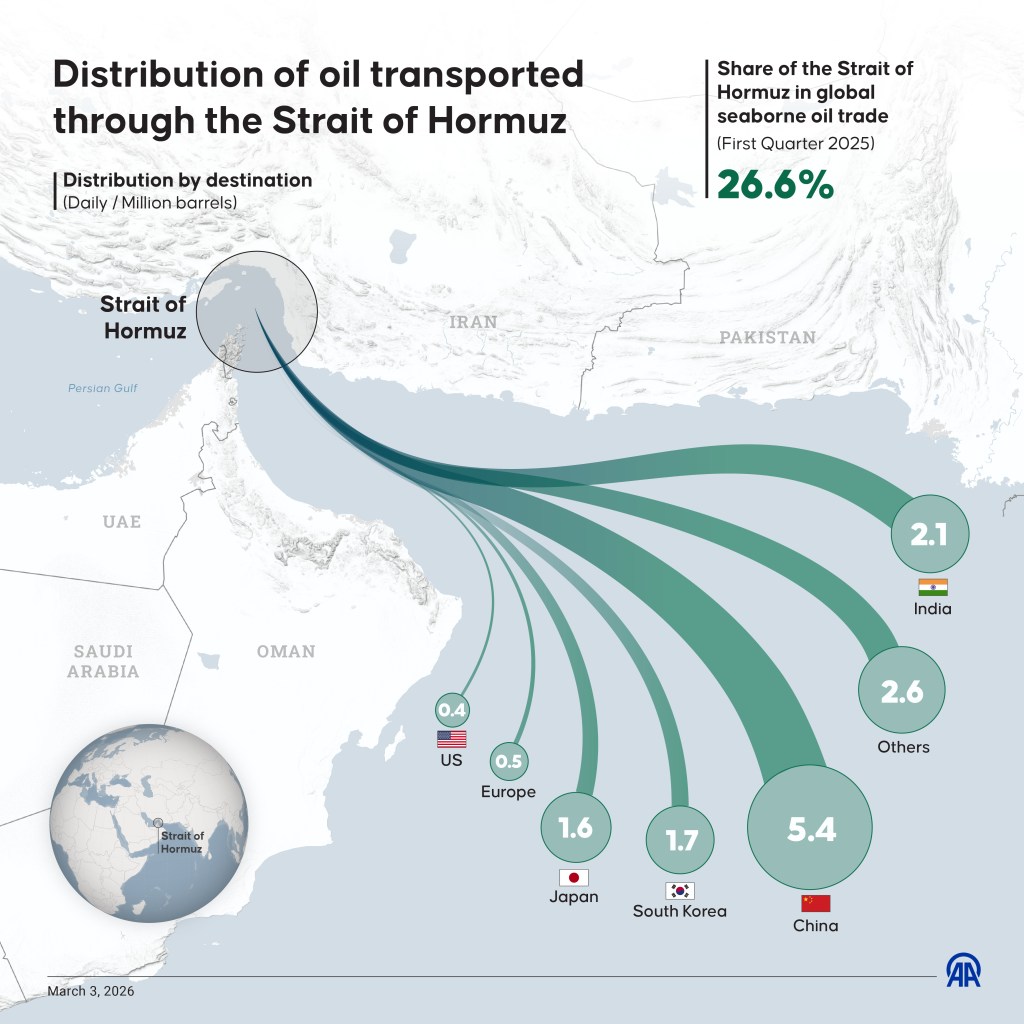
The escalating conflict in the Middle East has unleashed an energy supply shock of historic proportions, effectively rendering the Strait of Hormuz, a critical artery for global oil and liquefied natural gas (LNG) trade, largely impassable. Each day, approximately 20% of the world’s oil and LNG flows through this vital chokepoint.
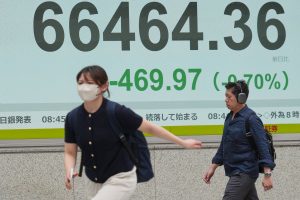
Despite the severe disruption, oil prices, while rising, haven’t yet reached the stratospheric levels many analysts predicted. The US benchmark for oil hovers near $100 a barrel, a significant 70% increase since the start of the year. However, the extent of the supply squeeze logically suggests that global oil prices should be soaring to record highs of $150 a barrel or even more. This is particularly true as the conflict has seen both Israel and Iran targeting gas fields and crucial infrastructure, posing the threat of long-lasting damage across the entire Gulf region.
So, what’s keeping global oil prices from spiralling completely out of control? Energy experts point to a confluence of factors:
Key Factors Mitigating Price Hikes
- Reduced Reliance on Middle Eastern Oil: A significant portion of the world, including the United States and much of Europe, is now less dependent on oil from the Middle East than it has been in decades. This is largely due to increased domestic production and a growing adoption of renewable energy sources.
- Robust Emergency Oil Reserves: Global emergency oil supplies are considerably higher now compared to past crises, such as the Arab oil embargo of the 1970s, which spurred the creation of the US Strategic Petroleum Reserve. Nations from the US to China maintain substantial reserves.
- Lingering Optimism and Rerouted Exports: Many oil traders remain hopeful that the current conflict will be a short-lived affair. This optimism, though fluctuating daily, is bolstered by the expectation that major oil-producing nations like Saudi Arabia, Iraq, and the United Arab Emirates will continue to successfully reroute their exports. This provides a temporary buffer while the Strait of Hormuz remains a concern. Furthermore, Iran itself is still managing to export some oil and is permitting a select few tankers to transit the strait, notably to India.
- Disproportionate Impact on Specific Regions: On a more cynical note, the most dramatic impact of this conflict’s supply disruptions is currently being felt by countries heavily reliant on Middle Eastern oil and gas. Pakistan, Bangladesh, and various Southeast Asian nations are bearing the brunt of the shortages.
Jim Wicklund, a seasoned oil analyst and managing director at PPHB energy investment firm, remarked on this disparity. “Southeast Asia is getting nailed by this, but the reality is, in our part of the world, nobody even knows where Indonesia is,” he stated. Wicklund added, “As consumers in the U.S., we’re horribly spoiled. There’s no panic anywhere. Yeah, my gasoline prices are $1 higher, which is still [nearly] $4 cheaper than Europe.”
As of March 18th, the average price for a gallon of regular unleaded petrol in the US stood at $3.86, an increase of $1.13, or over 40%, from its January low.
The Tide Could Still Turn Dramatically
Despite the current relative stability, the situation remains precarious, and the tide could still turn swiftly. In the United States, the reliance on Middle Eastern oil for consumption has fallen to a mere 3%, the lowest point since the oil embargoes of the 1970s. The vast majority of US oil needs are met by its world-leading domestic production, with Canada and Mexico serving as the primary import sources.
“The U.S. is enjoying the benefit of being somewhat insulated from the physical market tightness right now,” explained Dan Pickering, founder of the Pickering Energy Partners consulting and research firm.
However, the decision by the US to release 172 million barrels of oil from its strategic reserves, commencing in late March and extending over several months, underscores the interconnectedness of the global market. The world is, after all, a single entity when it comes to energy.
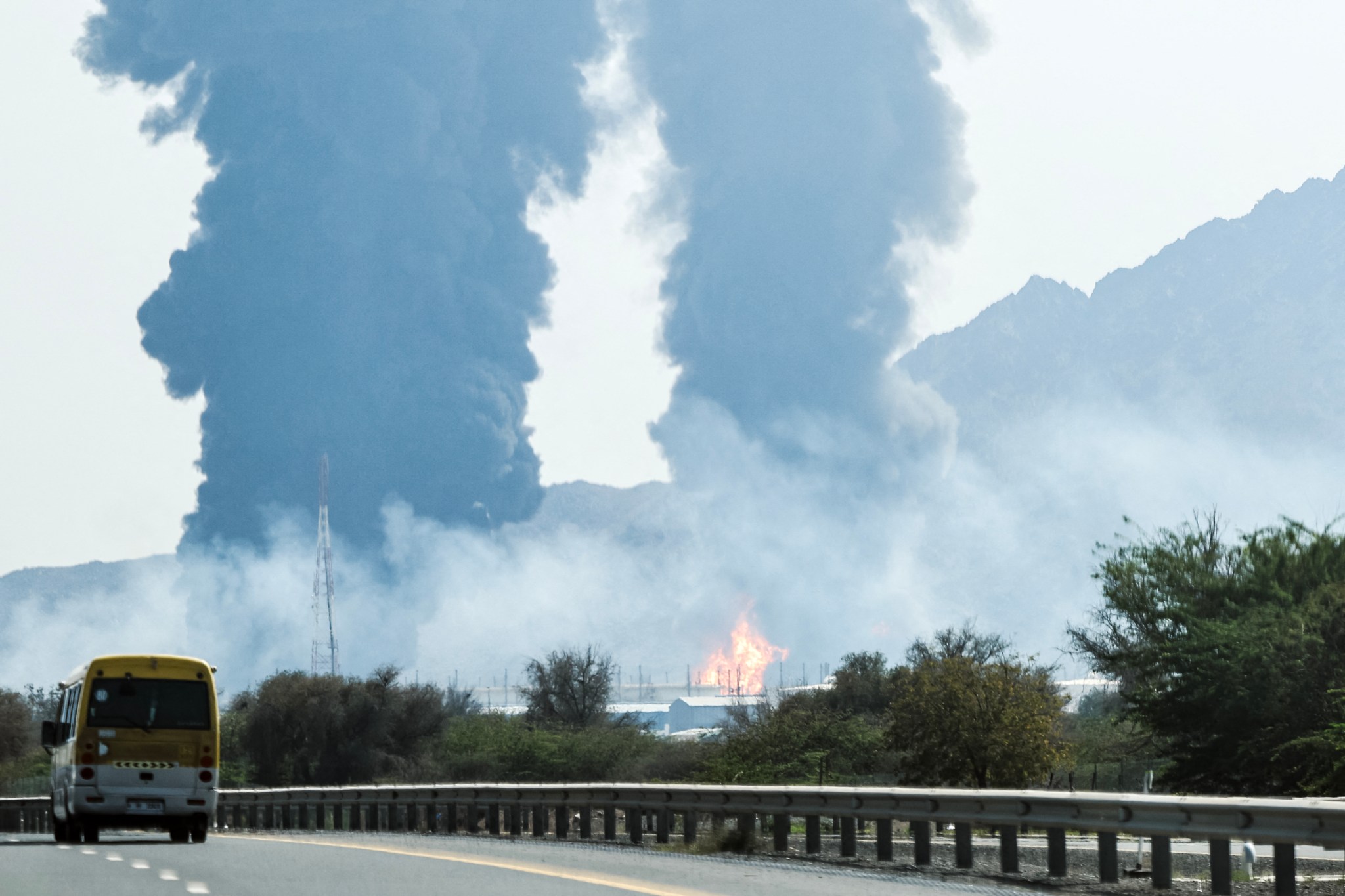
The conflict has seen direct attacks on critical energy infrastructure. Israel has targeted Iran’s South Pars gas field, prompting Iran to threaten retaliation against its neighbours’ refineries and gas fields. Already, the United Arab Emirates has been forced to halt operations at its Shah gas field following Iranian drone attacks. Even the UAE’s alternative export route, the Fujairah oil port, has not been spared from attacks.
If Iran successfully inflicts damage on major oilfields in neighbouring countries, experts warn that the “higher for longer” sentiment regarding oil prices will firmly take hold. Dan Pickering cautioned that this could lead to long-term infrastructure damage, and the stock market would react instantaneously. “If the market gets ahold of that thematic, it’ll play out quickly,” he predicted, suggesting that the US oil benchmark could surge to $130 a barrel within a couple of weeks.
Derek Bunn, an energy economist at the London Business School, concurs with this assessment. “If things do not get resolved politically fairly soon, then these longer-term effects will start to bite,” Bunn stated. “And it may not be that long.” He believes it’s only a matter of weeks before the market begins to price in these longer-term fundamental risks.
While global oil benchmarks in the US and Europe are currently trading around the $100 mark, Andrew Harbourne, a senior oil analyst at Wood Mackenzie, highlights that Middle Eastern crude barrels managing to escape the Persian Gulf are already fetching prices closer to $150 a barrel. He warns that if the Strait of Hormuz remains significantly blocked for an extended period, “the global market and pricing would converge at the higher levels observed to date and perhaps beyond $200 per barrel as a function of duration.”
However, Wicklund views the conflict as a complex interplay of “politics and logistics” that must be resolved swiftly. This urgency is amplified by political considerations, particularly with upcoming midterm elections in the US, where President Donald Trump would likely not favour persistently high oil prices.
“Everybody knows this can’t continue. Nobody knows how it ends. This is interrupting economic commerce for everyone in the world to the tune of billions of dollars a day,” Wicklund emphasised.
The ripple effects of this conflict extend far beyond just fuels. The prices of essential commodities are skyrocketing, including:
- Aluminum
- Fertiliser
- Cooking oil
- Grains
- Sugar
- Petrochemicals
- Helium
These escalating costs inevitably translate into broader inflation, impacting the prices of food, electronics, pharmaceuticals, and a wide array of consumer goods.
“But that’s the whole attitude of the market these days: ‘We’ll see. I hope it doesn’t take too long,’” Wicklund concluded, encapsulating the market’s current wait-and-see approach amidst considerable uncertainty.