
Trump’s Potential Military Moves in Iran
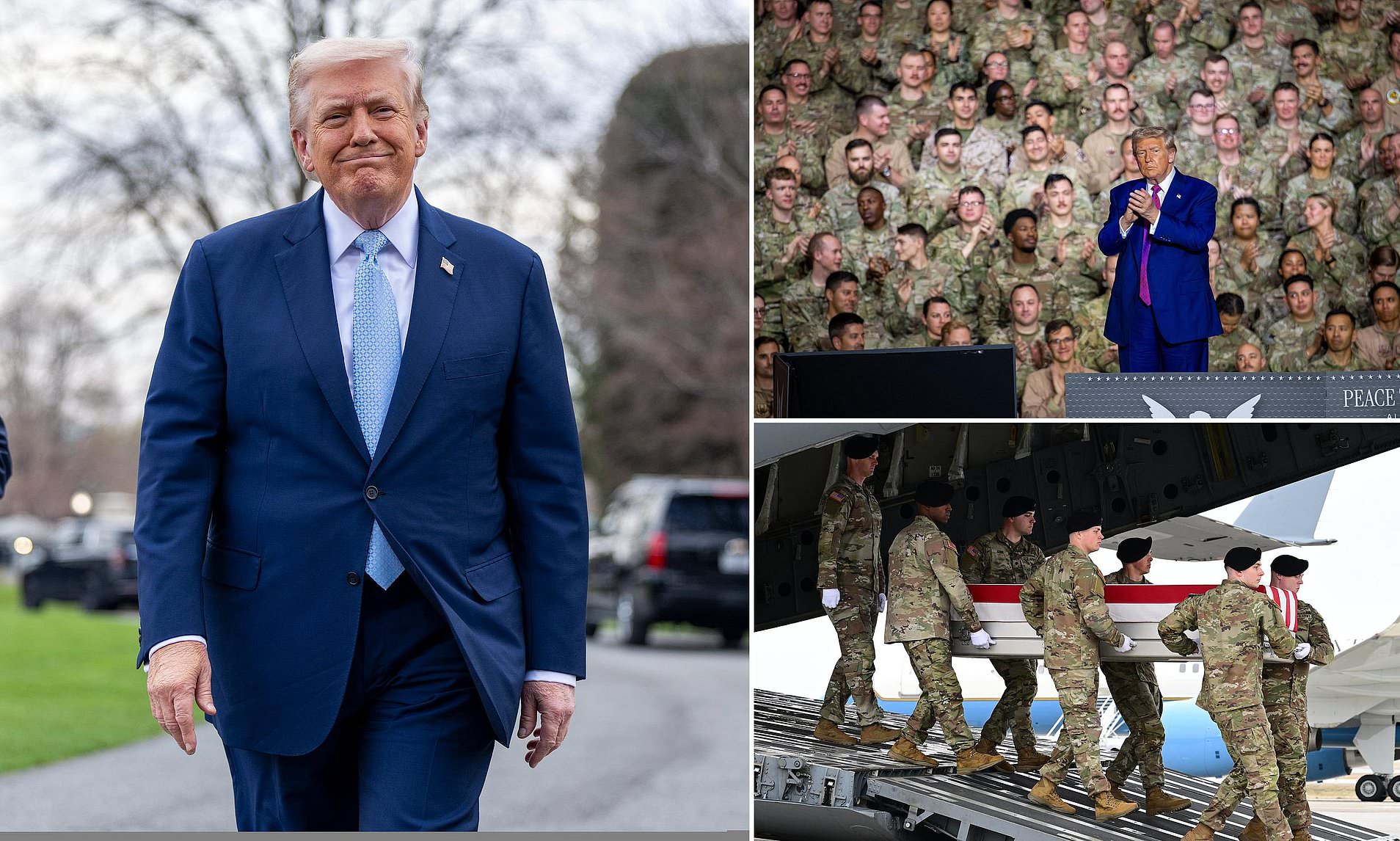
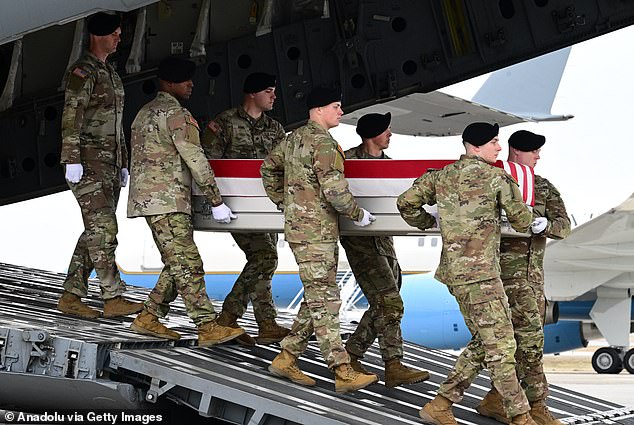
A recent report suggests that President Donald Trump might still consider deploying US troops into Iran, despite his public denial of such plans. According to CBS News, Pentagon officials have developed detailed proposals for sending American forces into the country. Unnamed sources informed the network that Trump is currently considering this option, as military actions against Iran have been ongoing for nearly three weeks.
In contrast, Trump has repeatedly claimed that the Iranian attacks on ships in the Strait of Hormuz do not affect the United States. During a press conference on the South Lawn, he stated, “We don’t use the Strait.” He added, “The United States, we don’t need it. Europe needs it. Korea, Japan, China, a lot of other people.”
He made similar comments in a post on Truth Social during his flight to Mar-a-Lago, where he also mentioned that the US is close to achieving its objectives in the Middle East regarding the “Terrorist Regime of Iran.” Trump has criticized NATO members for not providing support to ensure the safe passage of ships through the Strait of Hormuz.
Earlier in the day, he called members of the alliance “COWARDS” on social media. “Without the U.S.A., NATO IS A PAPER TIGER!” he wrote. “They didn’t want to join the fight to stop a Nuclear Powered Iran.” He continued, “Now that fight is Militarily WON, with very little danger for them, they complain about the high oil prices they are forced to pay, but don’t want to help open the Strait of Hormuz, a simple military maneuver that is the single reason for the high oil prices.”
NATO and the Strait of Hormuz Controversy
Trump’s remarks came after seven of the US’s allies, including six NATO members, issued a joint statement offering assistance. The statement said: “We express our readiness to contribute to appropriate efforts to ensure safe passage through the Strait. We welcome the commitment of nations who are engaging in preparatory planning.” The signatories included the UK, France, Germany, Italy, the Netherlands, Japan, and Canada.
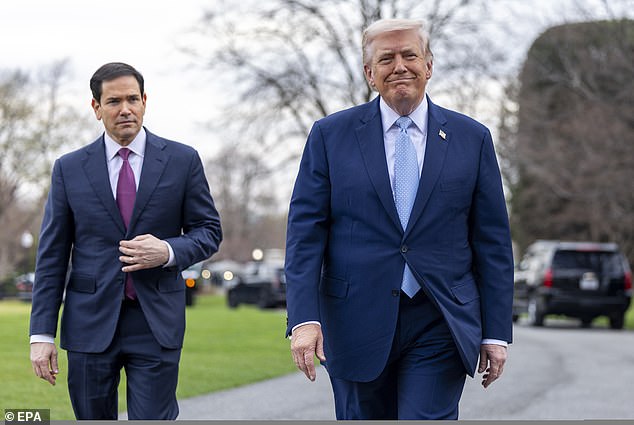
Japanese Prime Minister Sanae Takaichi met with Trump at the White House on Thursday. During their meeting, Trump was asked directly if he planned to deploy US troops to Iran. His response was clear: “No, I’m not putting troops anywhere.” When pressed further, he added, “If I were, I certainly wouldn’t tell you.”
White House press secretary Karoline Leavitt later clarified that while the Pentagon may be preparing options, it does not mean the President has made a decision. She stated, “It’s the job of the Pentagon to make preparations in order to give the Commander in Chief maximum optionality. It does not mean the President has made a decision.”
Allies Step Up Amid Tensions
Despite Trump’s skepticism, several countries have stepped forward to assist in ensuring the safety of shipping through the Strait of Hormuz. This joint effort highlights the growing concern over the region’s stability and the potential for further conflict. The involvement of key allies like Japan and Canada underscores the importance of international cooperation in addressing security challenges.
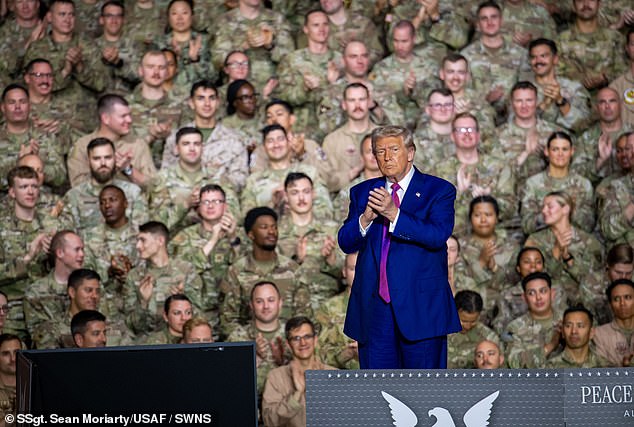
However, Trump remains critical of NATO, questioning its effectiveness and commitment. He pointed to Senator Lindsey Graham, a Republican ally, as someone who has shifted his stance on the alliance. “I think NATO’s gone down a long way,” Trump said. “And don’t forget, he was a big NATO guy for awhile, and now he’s not.”
This shift in sentiment reflects broader concerns within the administration about the reliability of traditional allies in times of crisis. While some nations are willing to assist, others remain hesitant, leading to increased tensions and uncertainty in the region.
Ongoing Uncertainty
As the situation continues to evolve, the possibility of US troop deployment in Iran remains a topic of intense debate. While Trump denies any plans, the Pentagon’s preparations suggest that the administration is keeping all options open. The coming days will likely see more developments as the administration weighs its next steps in the ongoing conflict with Iran.
The situation also highlights the complex dynamics between the US and its allies, particularly within NATO. As tensions rise, the need for coordinated action becomes increasingly urgent, even as political divisions persist.