
The Rise of Blockbuster Visuals and the Debate Over Quality
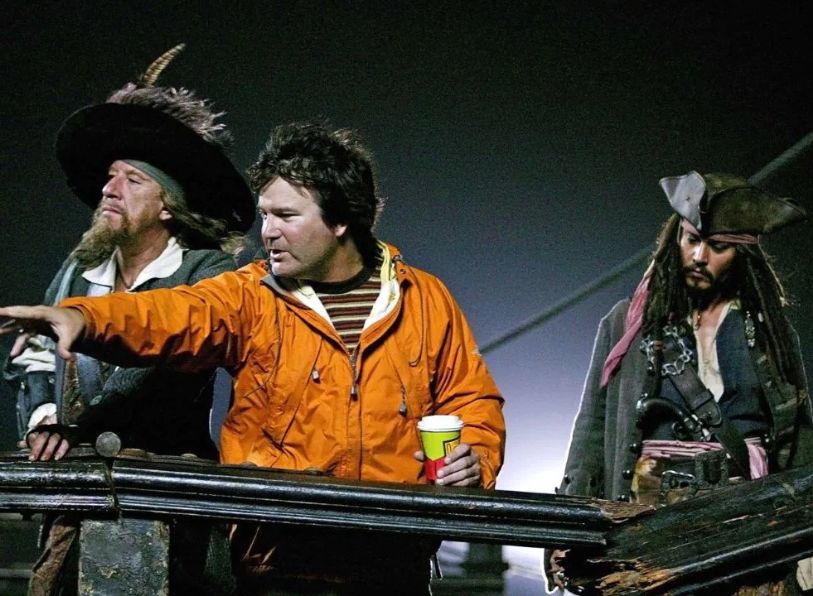
As blockbuster visuals continue to evolve, the conversation around their quality has become increasingly prominent within Hollywood. Filmmakers and audiences are now engaging in deeper discussions about whether the rapid advancement of technology is overshadowing artistic depth. Among those speaking out is Gore Verbinski, a filmmaker known for his sharp critiques on the state of modern cinema.
Verbinski’s Critique of Modern CGI
Verbinski has taken a direct stance against the current state of CGI, arguing that it has lost its realism and emotional weight. In an interview with DiscussingFilm, he expressed his concerns, stating, “I was watching something the other day, it was CG ships in the ocean, and I was like, ‘Really? That is literally a video game. That’s not a movie.’”
He further emphasized that the way AI is currently rendering images is pixel-based, lacking the depth of true 3D representation. According to Verbinski, this approach results in visuals that feel unfinished, reinforcing his belief that cinematic authenticity is gradually disappearing.
The Impact of AI on Cinematic Storytelling
Verbinski also pointed out that despite the availability of better software, many films today rely on AI-driven visuals that often leave the final product looking incomplete. He described this as rushing to the “80-yard line,” where the visual effects may appear polished but fail to deliver the storytelling depth required for a truly compelling film. For Verbinski, the solution lies in returning to the fundamentals, investing real effort, and rebuilding from the ground up to achieve convincing visual effects.
Good Luck, Have Fun, Don’t Die: A Reflection of Verbinski’s Philosophy
Verbinski’s latest film, Good Luck, Have Fun, Don’t Die, released on February 13, 2026, serves as a practical demonstration of his philosophy. This sci-fi comedy stars Sam Rockwell and follows a chaotic mission aimed at preventing an AI disaster. While the film received critical acclaim, scoring over 80%, it faced commercial challenges, earning under $10 million against a modest $20 million budget.
The film highlights the tension between technological shortcuts and traditional filmmaking techniques, mirroring the very system Verbinski critiques. It stands as a testament to his belief that true cinematic craft cannot be replaced by quick fixes disguised as innovation.
Future Projects and Industry Recognition
Looking ahead, Verbinski is working on the animated feature Cattywampus while hinting at the possibility of expanding his latest film into a trilogy. Industry observers are also keeping a close eye on potential recognition at the 99th Oscars (2027), particularly in the visual effects category. This is due to Verbinski’s 50% rule, which emphasizes a balanced blend of practical and digital elements in his work.
Verbinski remains steadfast in his position, advocating for a return to genuine craftsmanship in the face of rapidly advancing technology. His ongoing projects and future plans suggest that his voice will continue to influence the conversation around cinematic artistry.
The Ongoing Conversation About CGI in Film
As the debate over the role of CGI in filmmaking continues, Verbinski’s critique raises important questions about the balance between technological advancement and artistic integrity. His work serves as a reminder that while innovation can enhance storytelling, it should never come at the cost of authenticity and depth.
What are your thoughts on Verbinski’s perspective on modern CGI standards? Share your views in the comments.


