
Election Candidate Steps Down Amid Nazi Salute Controversy
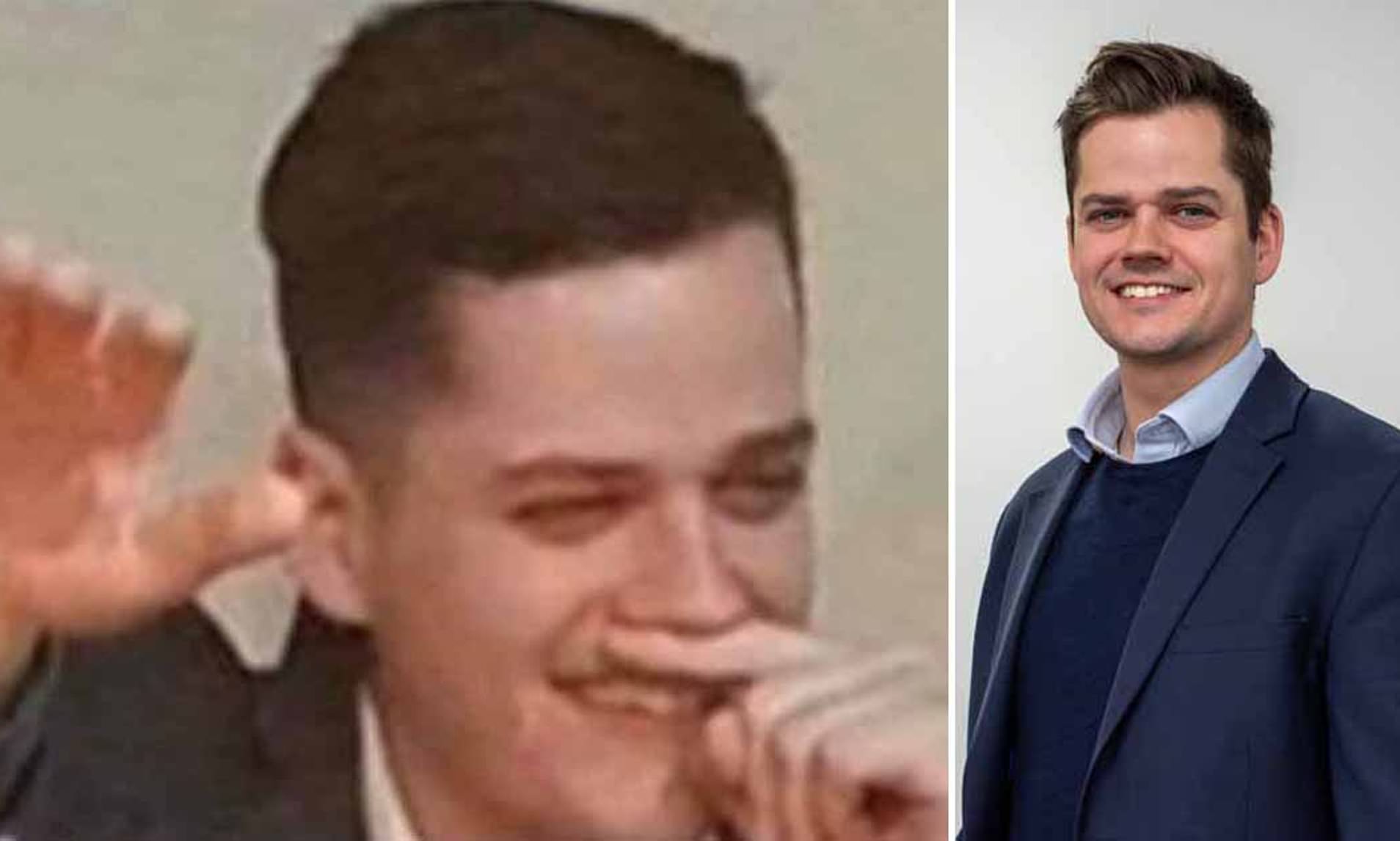
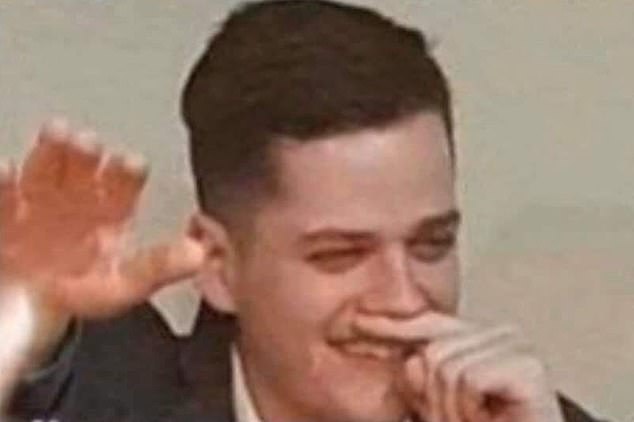
A candidate for the Reform party has withdrawn from an upcoming election following the emergence of a photograph that appears to show him making a Nazi salute. The image, reportedly taken in 2019, depicts Corey Edwards with his right arm raised and a finger positioned beneath his nose.
Edwards, who was the lead candidate for Reform in the Welsh constituency of Pen-y-bont Bro Morgannwg, encompassing Bridgend and the Vale, had been considered almost certain to secure a seat in the Senedd following the May 7 elections. His resignation came just a day after the party’s honorary president, Nigel Farage, publicly defended Edwards. Farage suggested that the gesture was not a salute but rather an impersonation of the character Basil Fawlty, from the classic 1970s BBC sitcom Fawlty Towers.
On Thursday, Edwards acknowledged the photograph, stating he recognized it from “many years ago” and admitted it “looked bad” and “could be misinterpreted.” However, he maintained that he would “never make light of the Nazi regime.”
A spokesperson for Reform UK Wales confirmed the candidate’s resignation, stating that he had informed the party of his decision to step down, citing “issues with his mental health.” The spokesperson also extended well wishes to Edwards.
The controversy surrounding the photograph and Edwards’s subsequent resignation has cast a shadow over the Reform party’s campaign in the region. The incident raises questions about candidate vetting processes and the potential impact of historical imagery on contemporary political campaigns.
The Photograph and Its Context
The photograph in question, which has circulated widely, has sparked significant debate. The visual similarity between the pose in the image and the infamous Nazi salute is undeniable. However, the explanation offered by Nigel Farage, that it was an attempt to mimic a comedic character, introduces an alternative interpretation.
Basil Fawlty, the character portrayed by John Cleese in Fawlty Towers, was known for his eccentric and often offensive behaviour. In one memorable scene, Fawlty is depicted making a similar gesture while attempting to impersonate a German tourist. The comedic intent of the original scene is clear, but its transposition into a political context, particularly when resembling a historical atrocity, has proven problematic.
Candidate’s Statement and Party Response
Edwards’s own admission that the photo “looked bad” and “could be misinterpreted” suggests an awareness of the sensitive nature of the imagery. His assertion that he would “never make light of the Nazi regime” aims to distance himself from any perceived endorsement of Nazi ideology.
The Reform party’s swift handling of the situation, accepting Edwards’s resignation and citing mental health as the reason, indicates an effort to contain the fallout from the controversy. The party’s spokesperson wished him well, suggesting a degree of empathy and a desire to move past the incident.

Broader Implications for Political Campaigns
This incident highlights the challenges political parties face in navigating the digital age, where past actions and imagery can resurface with significant consequences. The scrutiny applied to candidates is increasingly intense, and even seemingly innocuous or misinterpreted gestures can become major liabilities.
The reliance on historical or comedic references, without a full understanding of their potential reception, can be a pitfall for political figures. The differing interpretations of the photograph – as a genuine salute versus a comedic impersonation – underscore the importance of context and the potential for miscommunication.
The Reform party, like all political organizations, must balance the need for robust candidate vetting with the realities of public scrutiny. The case of Corey Edwards serves as a reminder that even seemingly minor incidents can have a significant impact on electoral prospects and public perception. The coming weeks will likely see further discussion surrounding the incident and its implications for the broader political landscape in Wales.


