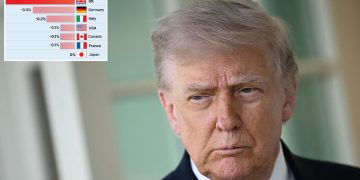

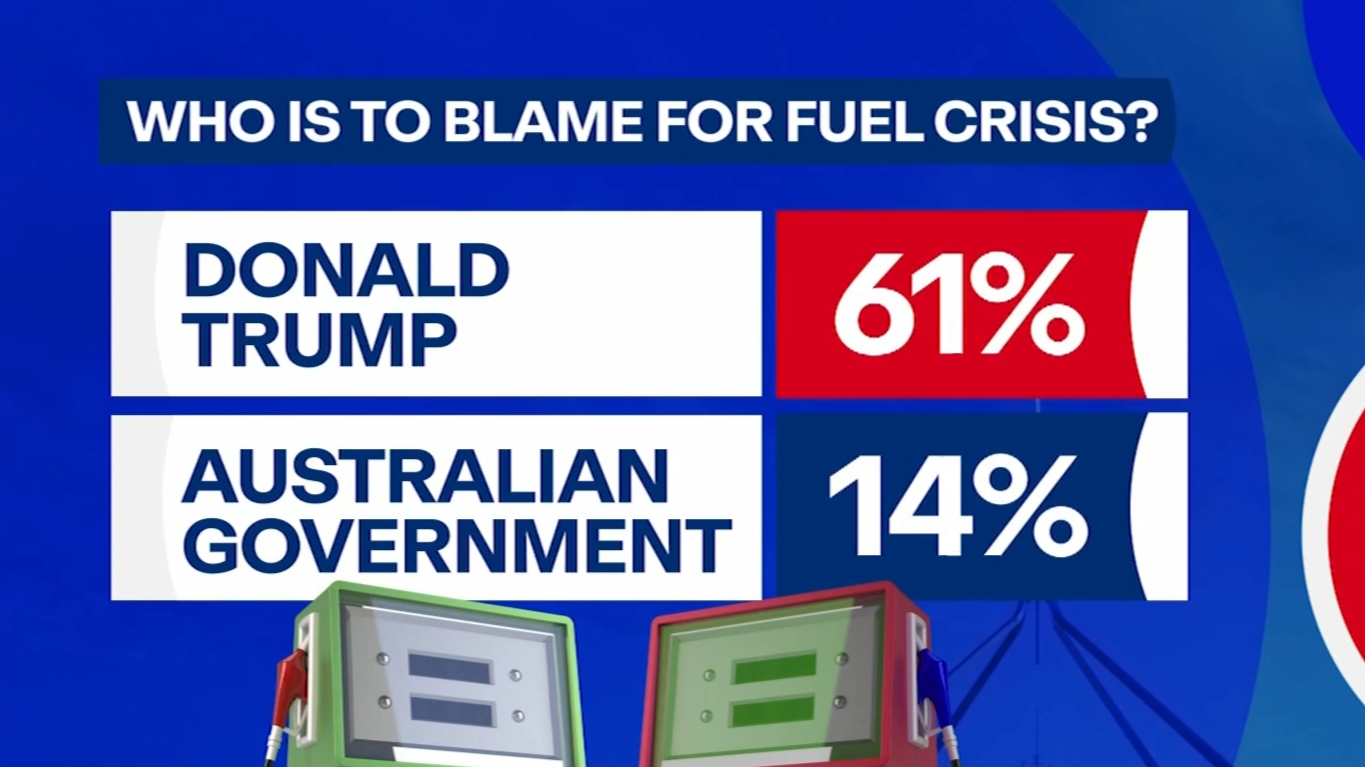
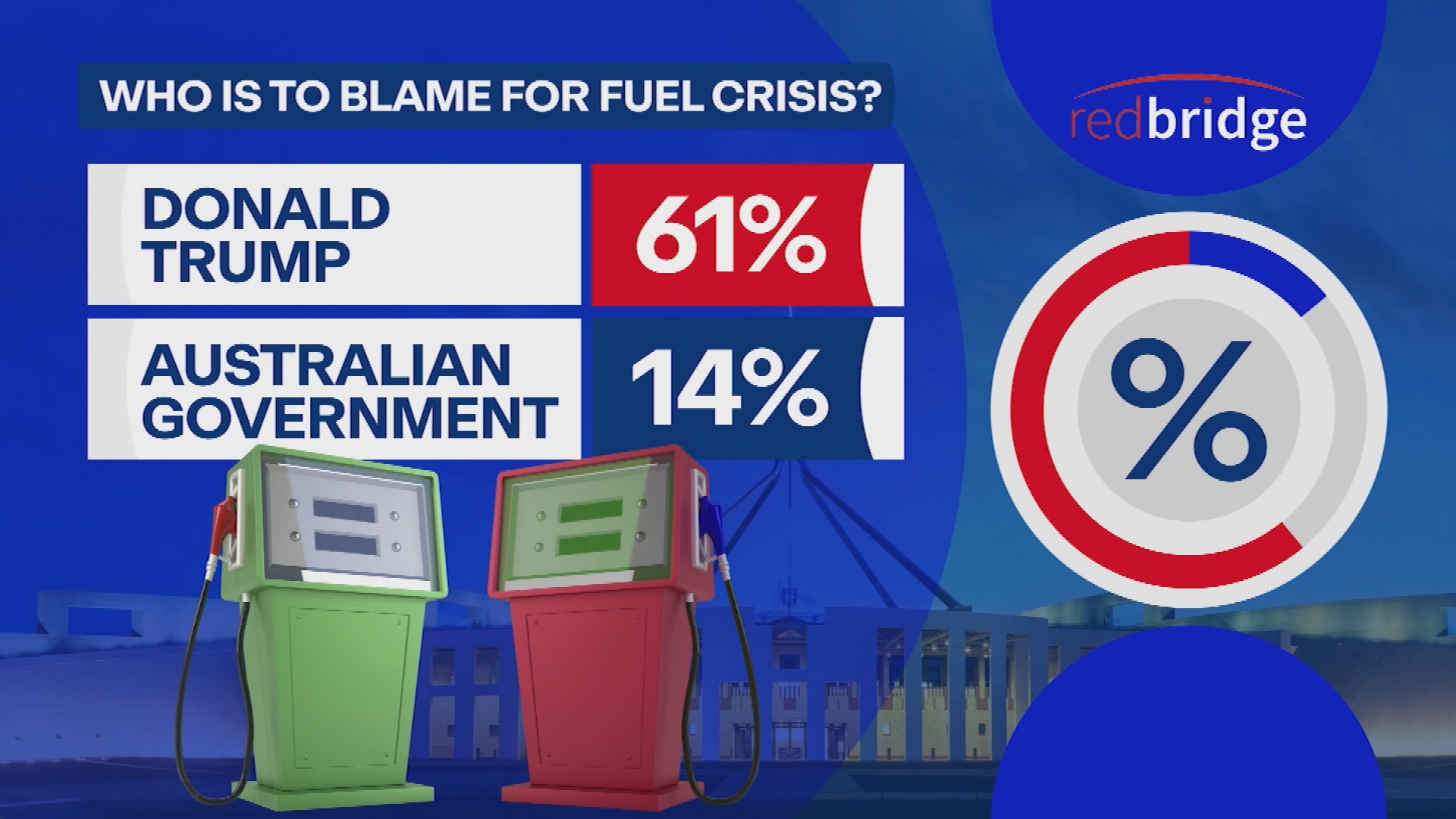
Australians are pointing the finger squarely at US President Donald Trump for the recent surge in fuel prices, according to new polling data. A significant majority of respondents in a poll conducted by the Australian Financial Review, in conjunction with Redbridge Group and Accent Research, have attributed the rising cost at the bowser to the American leader.
The survey revealed that a substantial 61 per cent of those polled believe Mr. Trump is responsible for the fuel price hike. In stark contrast, only 14 per cent of respondents directed their blame towards the current Australian government. This sentiment appears to be widespread across various segments of the Australian electorate.
Voter Sentiment Analysis
The poll’s findings indicate a remarkably consistent view among almost all surveyed voter groups. An interesting exception to this widespread blame emerged among supporters of One Nation. Within this demographic, only 39 per cent pointed the finger at Donald Trump, while a nearly equal 38 per cent laid the blame at the feet of the Labor party.
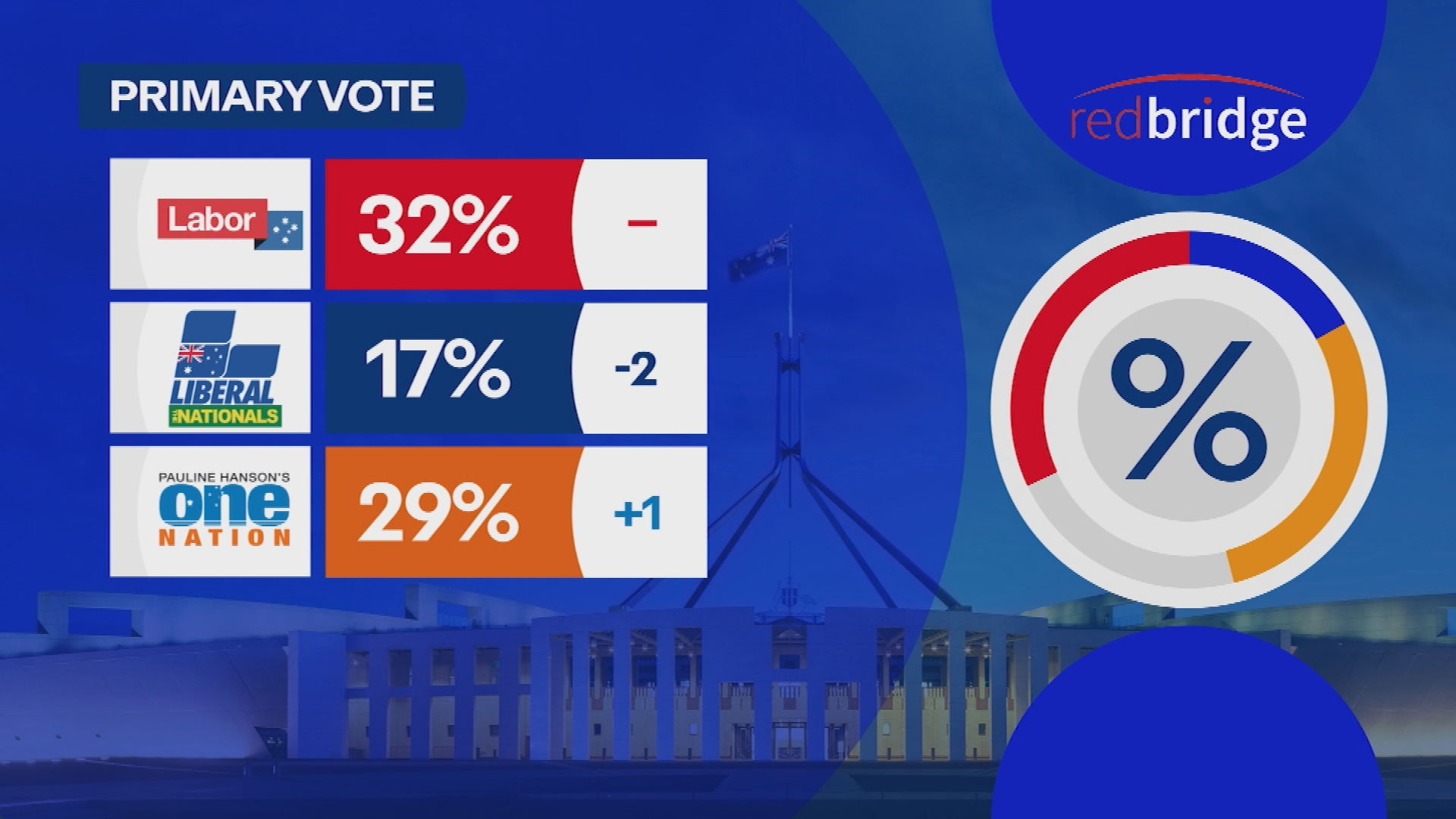
Meanwhile, the primary vote for the Labor party remained stable at 32 per cent. However, the news was less positive for the Coalition government, which experienced a further decline, slipping another two percentage points to register at 17 per cent.
One Nation’s support, conversely, showed continued growth in the poll, reaching 29 per cent. This rising tide of support for Pauline Hanson’s party has had a notable impact on the two-party-preferred vote calculations. The Redbridge poll indicated a shift in comparison, with Labor now being measured against One Nation rather than the Coalition. Despite this, Labor maintained a solid lead, with 53 per cent to One Nation’s 47 per cent.
Political Commentary on the Fuel Crisis and Economic Pain
Andrew Hastie, the Opposition Industry and Sovereign Capability Spokesperson, who was once widely tipped to contend for the Liberal leadership before withdrawing in favour of Angus Taylor, addressed both the growing influence of One Nation and the role of Donald Trump in global affairs. Speaking on Sunday, Mr. Hastie commented on the broader economic implications of international conflicts.
“I think this was a huge miscalculation,” Mr. Hastie stated, referring to the escalating tensions in Iran. “Iran has managed to pretty much hold the whole world’s economy to ransom.” His remarks underscored the interconnectedness of global politics and its direct impact on everyday economic realities for Australians.
Regarding the surge in support for One Nation, Mr. Hastie suggested that it reflects a deeper economic pain felt by many voters. He argued that voters are unlikely to endorse a political approach that represents a “final last stand for neoliberal politics.”
“I just think we need to overhaul the whole system,” Mr. Hastie asserted. “We either fix the system, or it’s torn down by people like Pauline Hanson.” This statement highlights a perceived threat to the established political order stemming from voter dissatisfaction and the appeal of alternative parties.
Parliamentary Sittings and Government Priorities
Parliament is set to reconvene this week before an extended break leading up to the budget. The government is currently in the process of finalising its financial blueprint. In the immediate term, national cabinet is scheduled to meet tomorrow. A key priority for this meeting will be to establish a unified national approach to addressing the ongoing fuel situation.
The discussions around fuel prices and their causes come at a time when Australians are grappling with a range of economic pressures. The poll’s findings suggest a clear public sentiment regarding the origins of these pressures, with a significant portion of the blame directed internationally.
The ongoing volatility in global markets and its impact on domestic prices remains a significant concern for both the government and the public. The upcoming national cabinet meeting is expected to outline strategies aimed at mitigating the effects of these international factors on Australian households and businesses. The political landscape, as indicated by the poll, is also being shaped by these economic realities, with parties needing to address voter concerns about cost of living and economic stability.