
Trump’s Call for Energy Exploration Amid UK Economic Woes
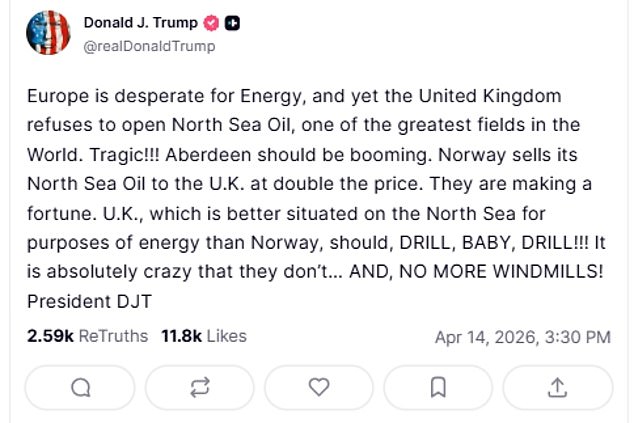
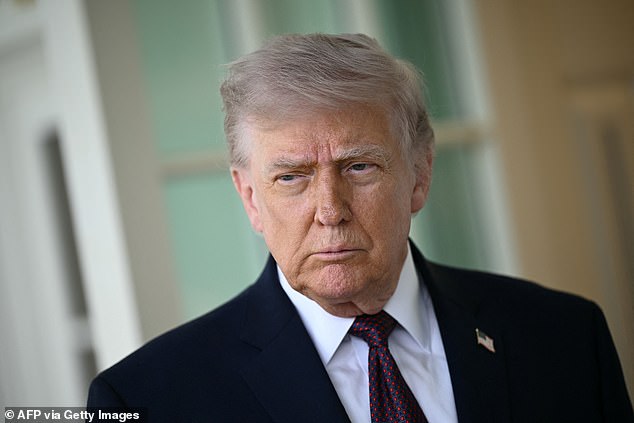
Donald Trump has made a bold call for the UK to “drill, baby, drill” following warnings from the International Monetary Fund (IMF) about the significant economic impact of the conflict in Iran on Britain. The US President criticized the Labour Party’s decision not to exploit the country’s oil and gas reserves, calling it “absolutely crazy.” This has intensified pressure on Energy Secretary Ed Miliband to reconsider his stance.
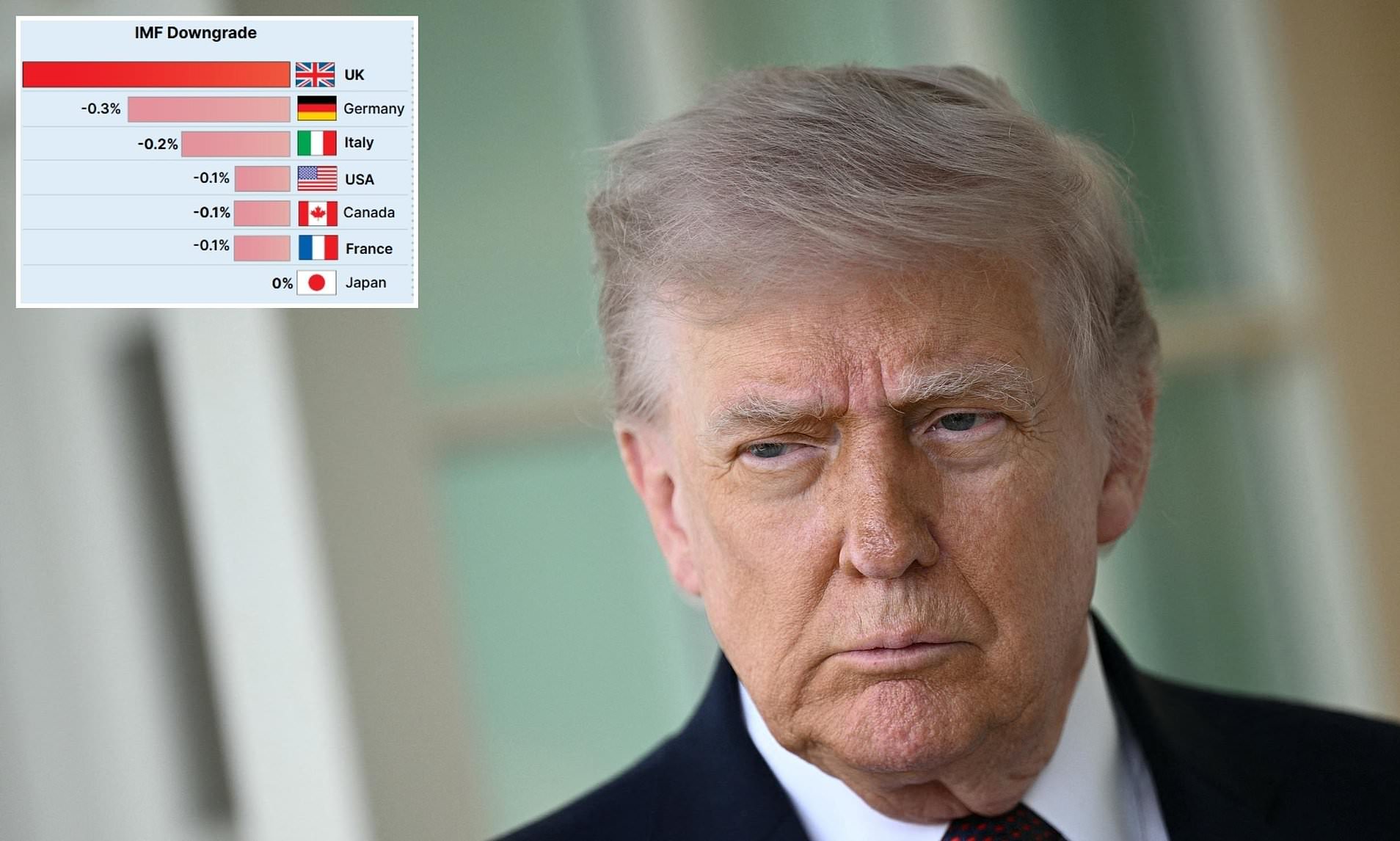
The IMF report highlights that the UK is expected to face the largest economic shock among G7 nations due to rising energy prices. The global watchdog has revised its growth forecast for the UK down to 0.8% this year, a drop of 0.5 percentage points from its earlier projection. This marks the most significant downgrade among all G7 countries.
Inflation in the UK is also projected to reach 4% this year, with unemployment expected to hit an 11-year high of 5.6%. Living standards are anticipated to grow by just 0.3%, the weakest in the G7. These figures have sparked concerns about the UK’s economic resilience, especially given its reliance on foreign energy sources.
Labour’s Challenges and Criticisms
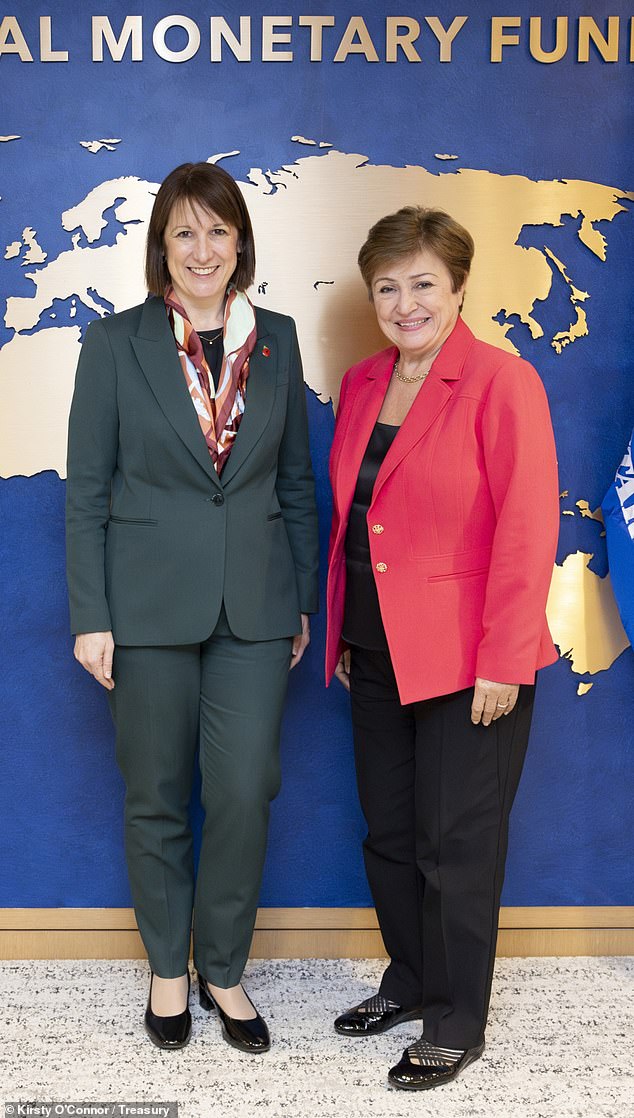
Chancellor Rachel Reeves acknowledged the potential costs of the war but emphasized that the government had taken steps to ensure economic stability. She criticized Trump’s actions in Iran, calling them a “folly” due to the lack of clear objectives and exit strategies. However, critics argue that Labour’s policies, including tax hikes and net zero commitments, have left the UK vulnerable to external shocks.
Shadow Chancellor Sir Mel Stride accused Reeves of making poor decisions that have led to higher inflation and unemployment. He pointed to recent tax increases, business rate hikes, and planned fuel duty increases as key factors contributing to the current economic challenges. The Conservatives have urged international partners to view Reeves as a cautionary example of ineffective governance.
Global Implications and Risks
The IMF report warns that the conflict in the Middle East could trigger a global recession. The organization has lowered its global growth forecast for 2024 to 3.1%, citing the ongoing war as a major risk. While the UK’s growth forecast was the most significantly downgraded among G7 nations, it is still expected to outpace Italy and Japan.
However, the UK will lag behind the US, Canada, and France. The IMF’s projections assume that the conflict will be limited in duration and scope, with disruptions fading by mid-2026. A prolonged or wider conflict could lead to more severe economic consequences, potentially resulting in a global recession.
Economic Outlook and Policy Responses
Economists warn that stagflation – a combination of rising prices and weak growth – may become the best-case scenario for the UK. Thomas Pugh, chief economist at RSM UK, highlighted the increasing risk of a recession. The Bank of England may be forced to raise interest rates further to control inflation, adding to the burden on households and businesses.
Simon Pittaway of the Resolution Foundation noted that British households are particularly vulnerable to the economic fallout from the Middle East conflict. With the UK already facing the highest inflation and interest rates in the G7, the situation is expected to worsen over the next two years.
Conclusion
As the UK navigates these economic challenges, the pressure on the government to address energy security and economic stability remains high. The IMF’s warnings serve as a stark reminder of the risks posed by geopolitical conflicts and the need for proactive policy responses. With the global economy at a crossroads, the UK’s ability to adapt and recover will be crucial in the coming months.


