
Trump’s Diplomatic Stoush: Australia Caught in the Crossfire Over Iran Response
Tensions are simmering on the international stage, and Australia has found itself in the uncomfortable position of being singled out by United States President Donald Trump. The US leader, known for his direct and often unconventional diplomacy, has expressed his disappointment with key allies, including Australia, regarding their perceived lack of robust response to the escalating situation with Iran. This public critique has ignited debate and raised questions about the strength of the long-standing ANZUS alliance.
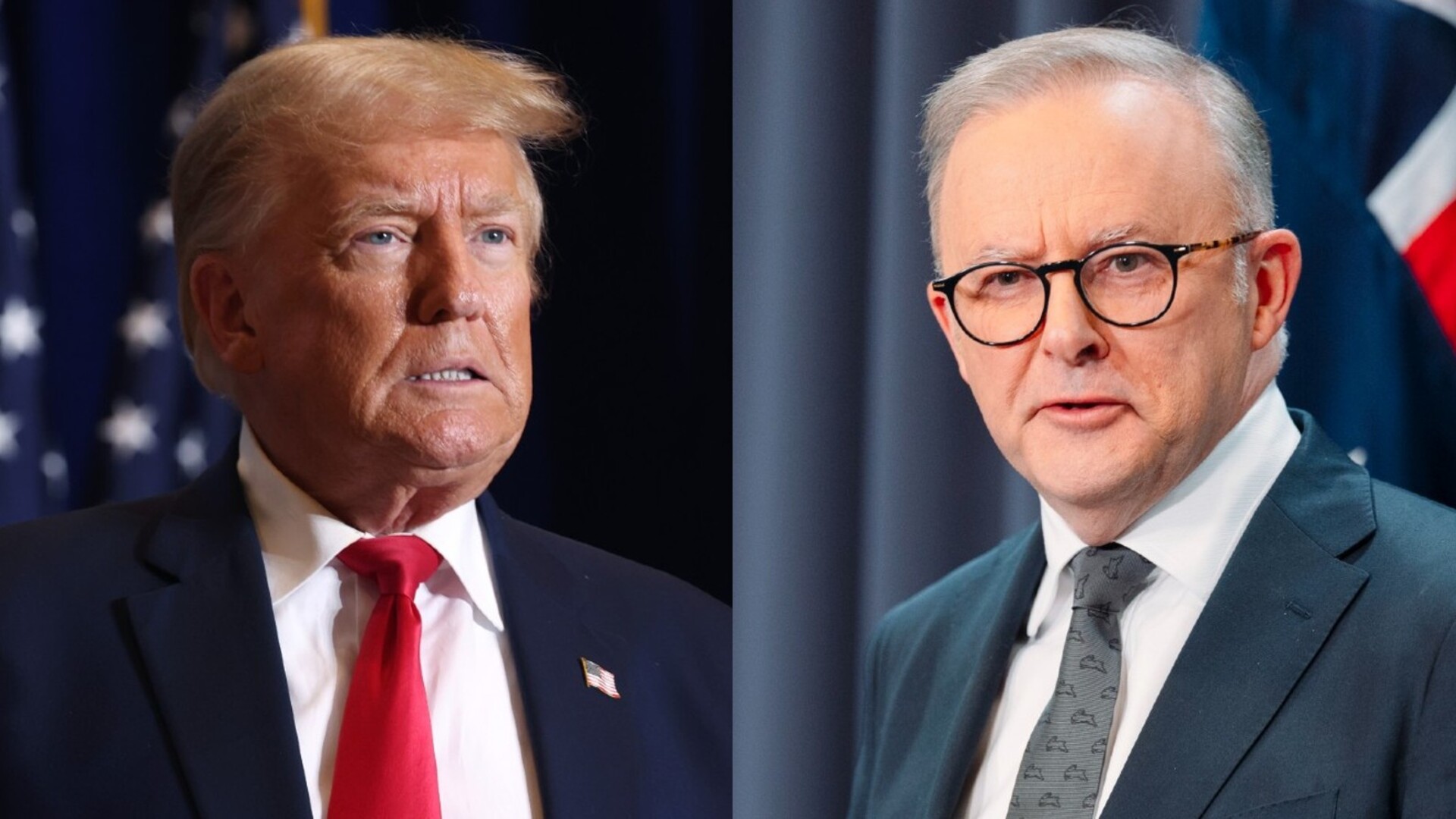
Sky News host Peter Dean, speaking on the matter, articulated a sentiment of surprise and perhaps even bewilderment at Trump’s strong words directed towards Australia. Dean highlighted the perceived personal connection President Trump may have felt with Australian Prime Minister Anthony Albanese, often referred to as “Albo.” This suggests that Trump might have expected a more aligned and supportive stance from the Australian government, given what he may have viewed as past goodwill.
“You can sense the disappointment,” Mr Dean remarked, implying that Trump’s criticism stems from a feeling of being let down by Australia’s approach. He continued, “I mean, he was so good to Albo.” This statement underscores the notion that the US President might have believed he had fostered a positive relationship with the Australian Prime Minister and, by extension, the Labor Party. The expectation, therefore, was for a reciprocal display of solidarity during a critical geopolitical moment.
However, the reality on the ground appears to be a stark contrast to Trump’s expectations. Mr Dean bluntly stated, “Albo and the Labor Party have gone two fingers to Donald Trump.” This colloquial and rather strong phrasing conveys a sense of defiance or deliberate opposition from the Australian government. It suggests that despite any perceived past cordiality, the current administration has chosen a path that deviates significantly from what President Trump might have anticipated or desired, particularly in their handling of the Iran situation.
The implications of such public criticism from the leader of a key ally are far-reaching. For Australia, it raises concerns about the future of its security and economic relationships with the United States. The ANZUS treaty, a cornerstone of Australia’s defence policy, historically binds the two nations in a mutual security pact. However, the effectiveness and reliability of this alliance can be tested when political rhetoric from the US President appears to undermine the very partnership it is meant to uphold.
Navigating Geopolitical Currents: Australia’s Stance on Iran
The core of President Trump’s criticism appears to revolve around Australia’s response, or perceived lack thereof, to the escalating tensions with Iran. While specific details of Australia’s diplomatic or military actions are not elaborated upon in this context, the US President’s comments suggest a belief that Australia has not demonstrated sufficient commitment or has not taken a strong enough public stance against Iran’s actions.
This situation highlights the complex balancing act that Australia, like many middle powers, must perform on the global stage. On one hand, there is a strong alliance with the United States, which provides significant security guarantees and economic benefits. On the other hand, Australia also maintains its own foreign policy objectives and interests, which may not always perfectly align with those of its superpower ally.
The Labor Party, under Prime Minister Albanese, has often emphasized a more multilateral approach to foreign policy, seeking to engage with a wider range of international partners and institutions. This approach can sometimes lead to divergent views on specific issues compared to a more unilateralist or transactional foreign policy, which has been a hallmark of the Trump administration.
The Diplomacy of Disappointment: A Broader Context
President Trump’s tendency to publicly critique allies is not a new phenomenon. Throughout his presidency, he has often used strong language to express his dissatisfaction with what he perceives as unfair burden-sharing or a lack of commitment from countries that benefit from US security guarantees. This approach, while effective in galvanizing his domestic base and sometimes forcing concessions, can also strain diplomatic relationships and create uncertainty.
For Australia, being singled out in this manner is particularly noteworthy. The relationship between Australia and the United States has historically been characterized by close cooperation and shared values. This makes Trump’s criticisms, as reported, a significant development that warrants careful consideration by policymakers and the public alike.
The “two fingers” remark, while informal, encapsulates a perceived strategic divergence. It suggests that Australia is not merely disagreeing on minor points but is actively pursuing a course of action that is seen as dismissive of US interests or leadership in the context of the Iran crisis.
Future Implications for the Alliance
The ongoing diplomatic friction between President Trump and Australia, as described by Sky News host Peter Dean, raises important questions about the future of the US-Australia alliance. While the fundamental security interests of both nations remain intertwined, the tone and tenor of leadership can profoundly impact the perceived strength and reliability of such partnerships.
Australia will likely continue to navigate these complex geopolitical waters by prioritizing its national interests while seeking to maintain a constructive relationship with the United States. However, the challenges posed by differing foreign policy approaches and the unpredictable nature of international diplomacy will undoubtedly continue to shape the dialogue between Canberra and Washington. The public nature of President Trump’s critiques adds another layer of complexity, demanding a nuanced and strategic response from the Australian government.