
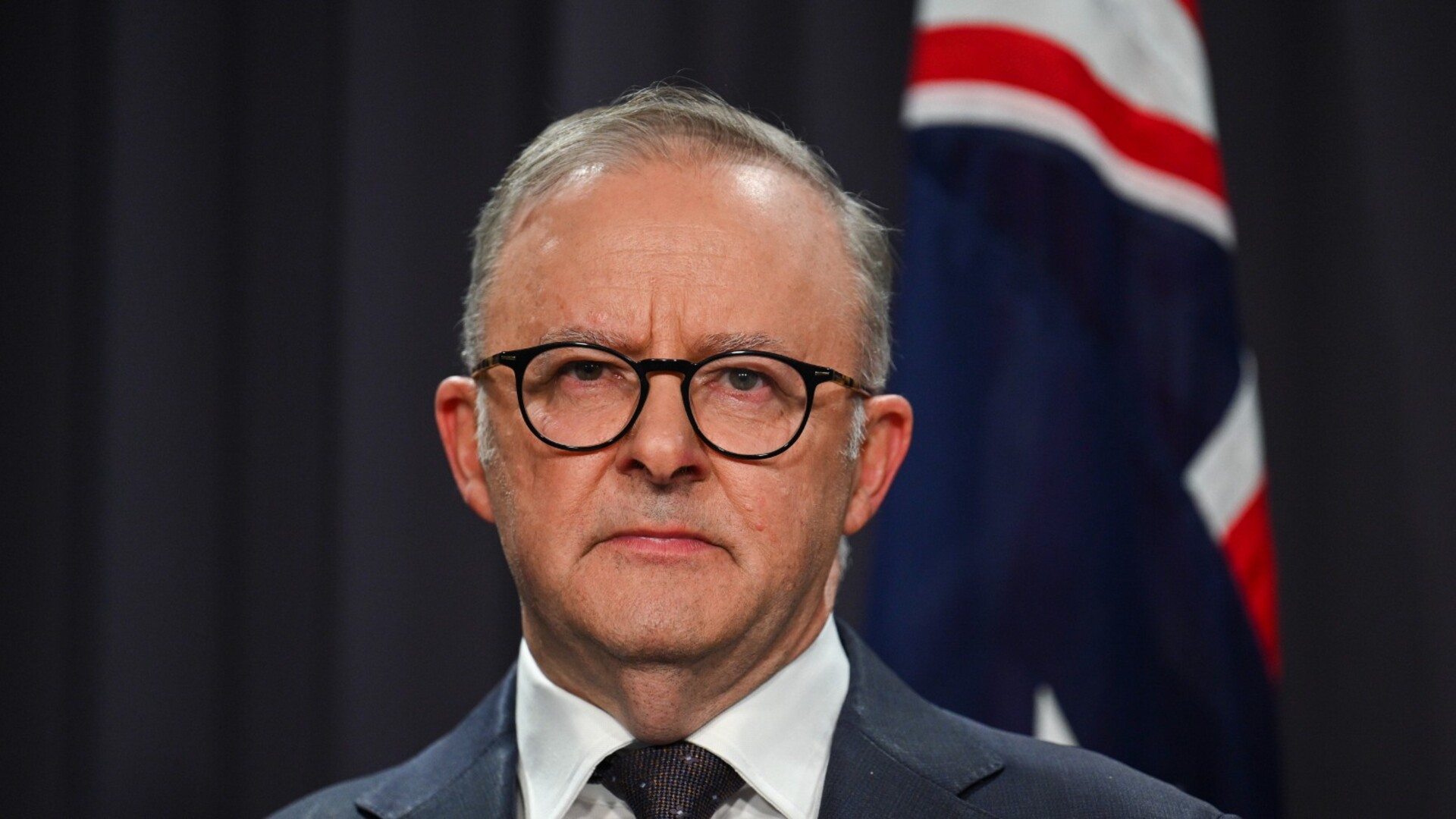
Australia’s fuel security has become a hot-button issue, with the Opposition Leader, Angus Taylor, sharply criticising Prime Minister Anthony Albanese’s handling of the evolving crisis. Mr Taylor asserts that the Prime Minister has been notably “last to lead” when it comes to addressing the nation’s fuel supply concerns, suggesting a reactive rather than proactive approach from the government.
Opposition’s Proposed Solutions
According to Mr Taylor, the Opposition has been proactive in presenting tangible solutions to navigate the current fuel challenges. He stated that the Opposition had already laid out a clear “pathway forward” designed to effectively manage the situation. This implies that the government’s response has been perceived as lagging behind the Opposition’s proposed strategies.
The core of Mr Taylor’s criticism lies in what he describes as a shift in the government’s narrative. He pointed out a perceived inconsistency, stating, “They tell us there’s no national crisis then all of a sudden a few days later there’s a national crisis.” This suggests a lack of decisive action and clear communication from the government, leading to public confusion and potentially exacerbating the problem.
Underlying Concerns: Fuel Security and Economic Impact
The debate over fuel security is not merely a political talking point; it has significant implications for the Australian economy and the daily lives of its citizens. A stable and affordable fuel supply is crucial for:
- Transportation and Logistics: The movement of goods and people across the vast Australian continent relies heavily on readily available fuel. Disruptions can lead to increased costs for businesses, impacting everything from grocery prices to the delivery of essential services.
- Economic Stability: Fluctuations in fuel prices can have a ripple effect throughout the economy, influencing inflation, consumer spending, and business investment.
- National Security: A secure domestic fuel supply is also a matter of national security, reducing reliance on potentially volatile international markets.
Government’s Stance and Future Outlook
While Mr Taylor has been vocal in his criticism, the government’s perspective often focuses on the complexities of global energy markets and their impact on domestic prices. Prime Minister Albanese and his ministers have frequently highlighted international factors such as geopolitical events, global demand, and supply chain disruptions as key drivers of current fuel costs.
The government’s approach has often involved:
- Monitoring Global Markets: Continuously assessing international trends and their potential impact on Australian fuel supplies.
- Engaging with Industry: Collaborating with fuel suppliers and distributors to ensure continued supply and to identify potential bottlenecks.
- Exploring Long-Term Solutions: Investigating strategies to enhance Australia’s long-term energy security, including investments in renewable energy and alternative fuels.
However, the Opposition’s call for a more immediate and decisive “pathway forward” suggests a belief that current government measures are insufficient to address the immediate pressures faced by Australians at the pump. The ongoing political discourse underscores the urgency required to find effective and sustainable solutions to Australia’s fuel challenges, balancing immediate needs with long-term energy security goals. The differing viewpoints highlight the complex nature of energy policy and the constant need for vigilance and strategic planning in an ever-changing global landscape. The coming months will likely see continued debate and policy adjustments as both sides of politics seek to address public concerns and ensure a stable energy future for the nation.


