Iconic Tasmanian Brewery to Shift Production, Impacting Local Workforce
A significant shift is on the horizon for a beloved Tasmanian beer brand, with James Boag announcing it will cease production in the island state by November 2026. This decision, impacting 42 local workers, marks the end of an era for a brewery that has been a cornerstone of Tasmania’s manufacturing landscape for 145 years.
Lion Australia, the parent company of James Boag, has cited the need to optimise operations and mitigate escalating shipping costs as the primary drivers behind the move to mainland Australia. The company stated that the Launceston brewery has been operating significantly under capacity for many years, currently at approximately one-fifth of its potential. This, coupled with substantial cost inflation, has rendered the facility no longer economically viable.
The announcement has been met with considerable disappointment from Tasmanian Premier Jeremy Rockliff. “Our immediate priority is the wellbeing of the workforce,” Mr Rockliff stated, pledging the government’s commitment to engaging closely with Lion, unions, workers, and the hospitality industry to provide comprehensive support to those affected by this transition.
In a candid statement, Lion’s chief executive and managing director, Anubha Sahasrabuddhe, acknowledged the difficult nature of the news for the brewery’s dedicated employees and the wider Launceston community. She emphasised that the decision was not a reflection of the “incredible capability, passion and commitment” of the brewery team, past and present, who have strived to maintain efficient operations despite declining production volumes.
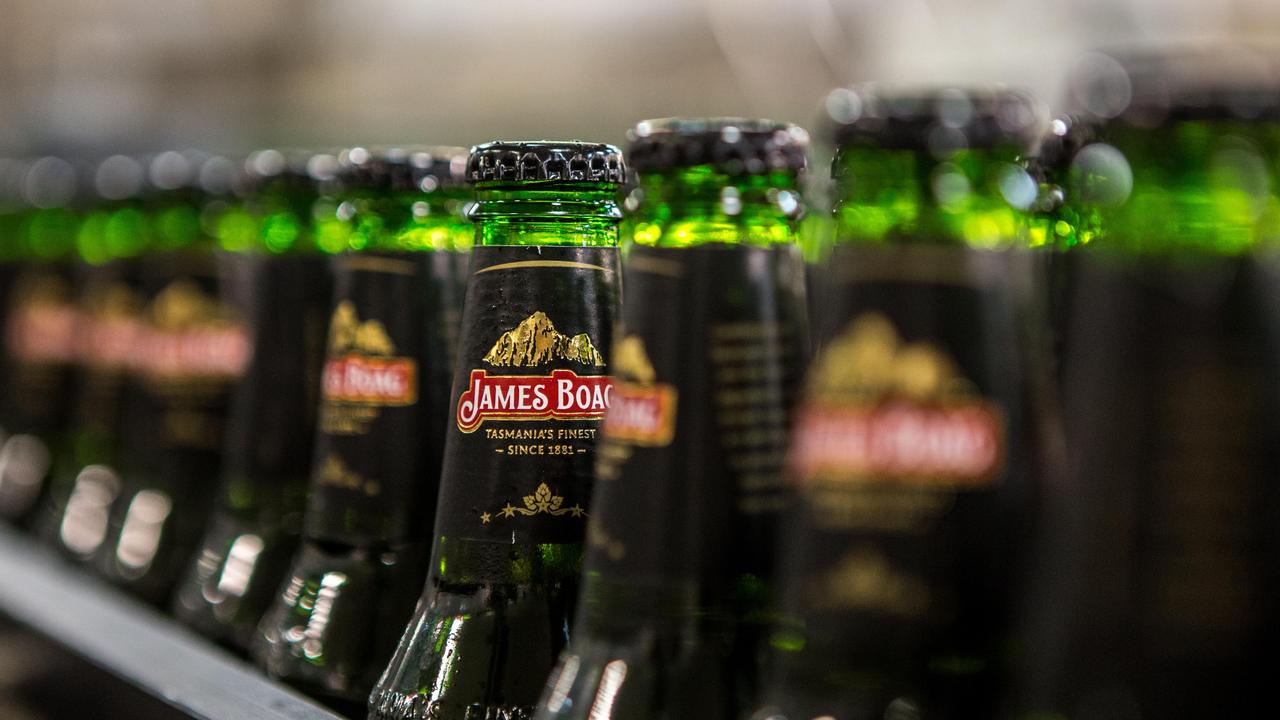
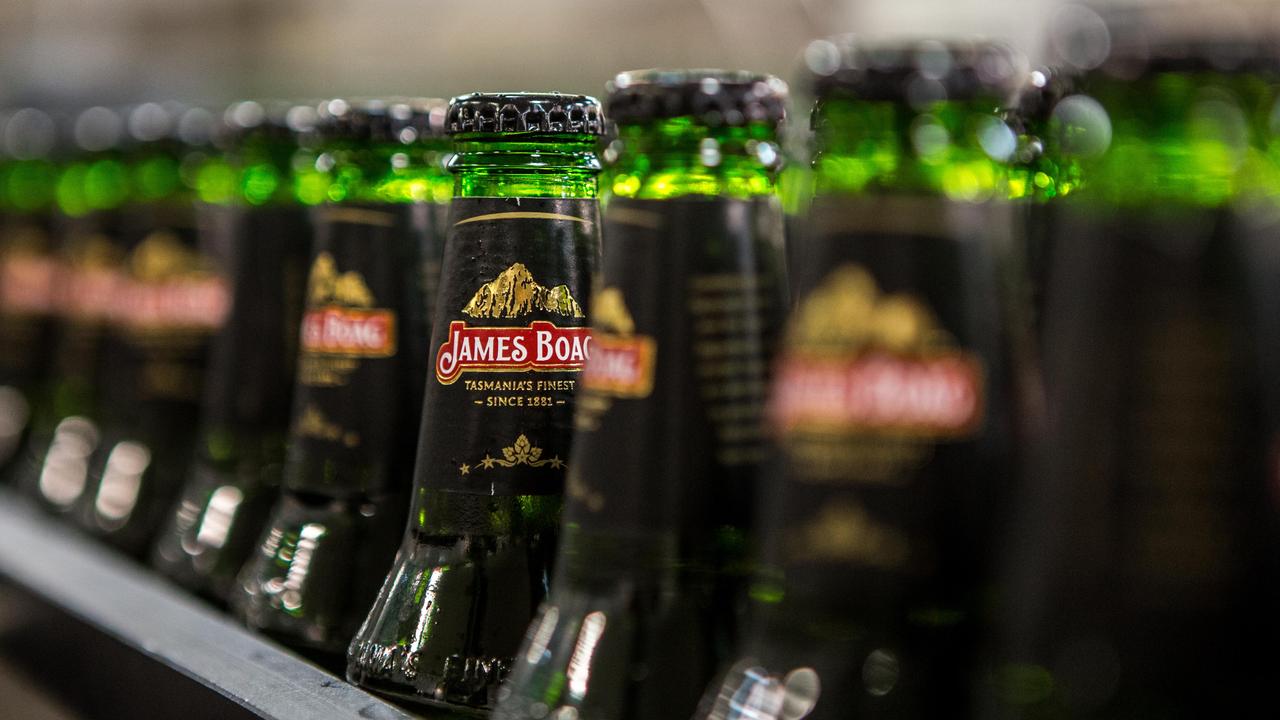
The history of James Boag in Tasmania is deeply entwined with the state’s identity. Founded in 1881, with Scotland’s James Boag and his son taking the helm just two years later, the brewery has been a consistent presence for nearly a century and a half. It has long prided itself on its connection to Tasmania, famously marketing its products as being “from the pure waters of Tasmania.”
This decision follows a partial shift in production that occurred in 2024, where James Boag began relocating some of its brewing operations to the mainland. This initial move was aimed at reducing the substantial annual shipping expenses, which were reportedly costing the company $1.5 million per year. Lion has reassured the public that James Boag beer will continue to be brewed, and that Tasmania remains a significant market and point of importance for the company.
Support Measures for Affected Workers and the Community
In response to the impending closure and to ease the transition for its workforce, Lion Australia has outlined a series of support initiatives. A key component is the establishment of a $500,000 reskilling fund. This fund is specifically designed to assist the 42 impacted workers in acquiring new skills and transitioning into alternative employment opportunities.
Furthermore, Lion has committed to establishing a $500,000 community fund, to be disbursed over a five-year period. This fund aims to acknowledge and nurture existing partnerships and provide grants within Launceston and the broader Northern Tasmania region.
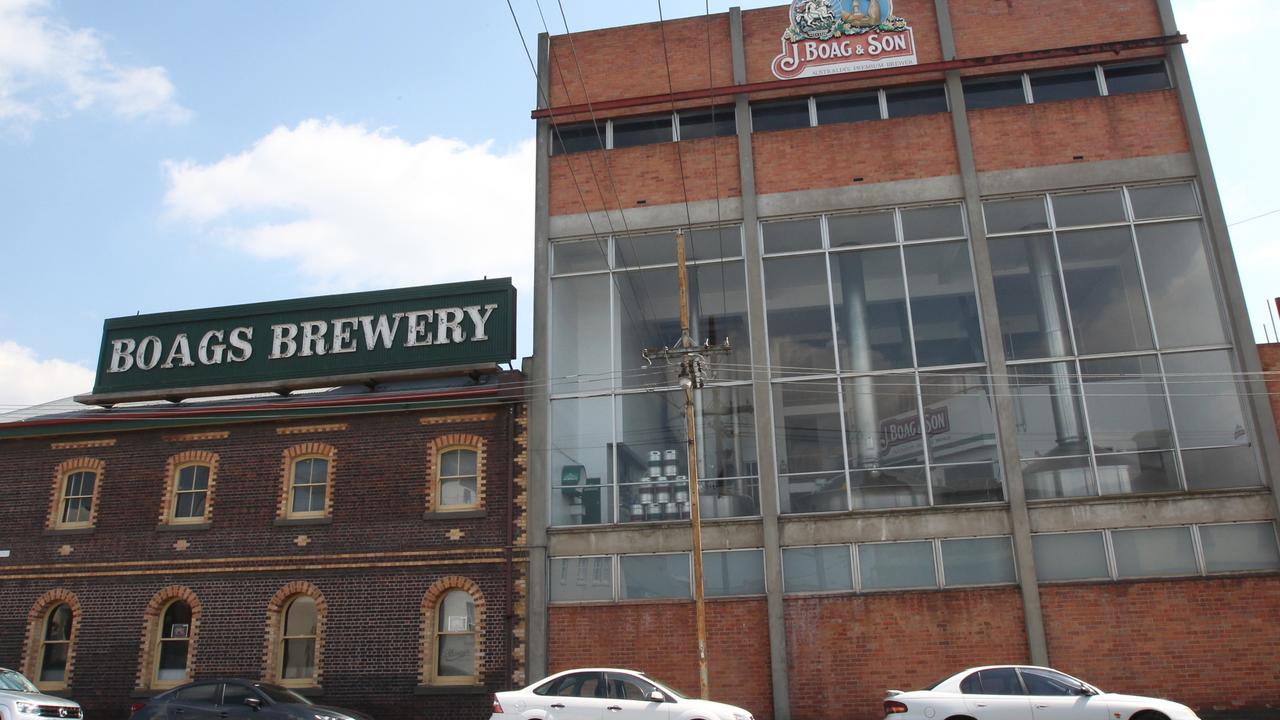
As part of its commitment to the local area, Lion will also be repaying $1 million to the Tasmanian government. This amount represents the government’s contribution towards the redevelopment of the historic Boages Brewhouse. The Tasmanian government has welcomed Lion’s commitment to honouring employee benefits and its proactive approach in providing the reskilling fund for the affected workers.
The closure of the James Boag brewery in Tasmania represents a significant economic and social event for Launceston and the state. While the brand will continue to exist, the tangible link to its historic Tasmanian home will be severed, prompting reflection on the evolving landscape of manufacturing and the challenges faced by long-standing industries in an increasingly globalised market. The focus now shifts to ensuring the well-being and future prospects of the dedicated individuals who have contributed to James Boag’s legacy in Tasmania for so many years.