Public Toilets Get a Dignity Upgrade: Sanitary Bins Arrive in Men’s Loos
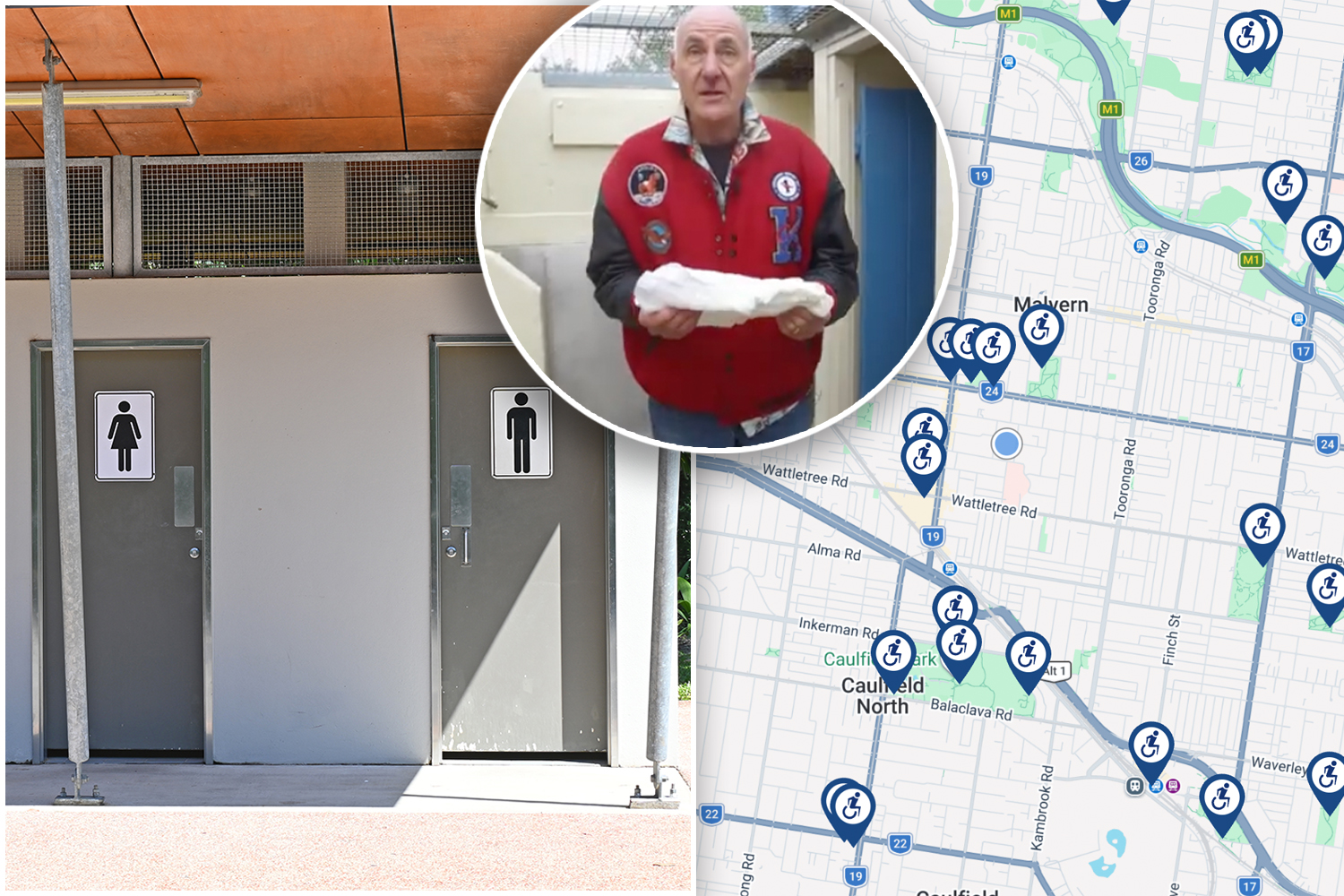
A common sight in women’s public restrooms could soon become a standard feature in men’s facilities across Australia, marking a significant step towards greater inclusivity and dignity for millions of Australians. The City of Stonnington in Victoria is currently piloting the installation of sanitary bins in men’s public toilets, a move aimed at addressing the challenges faced by individuals living with urinary or bowel incontinence.
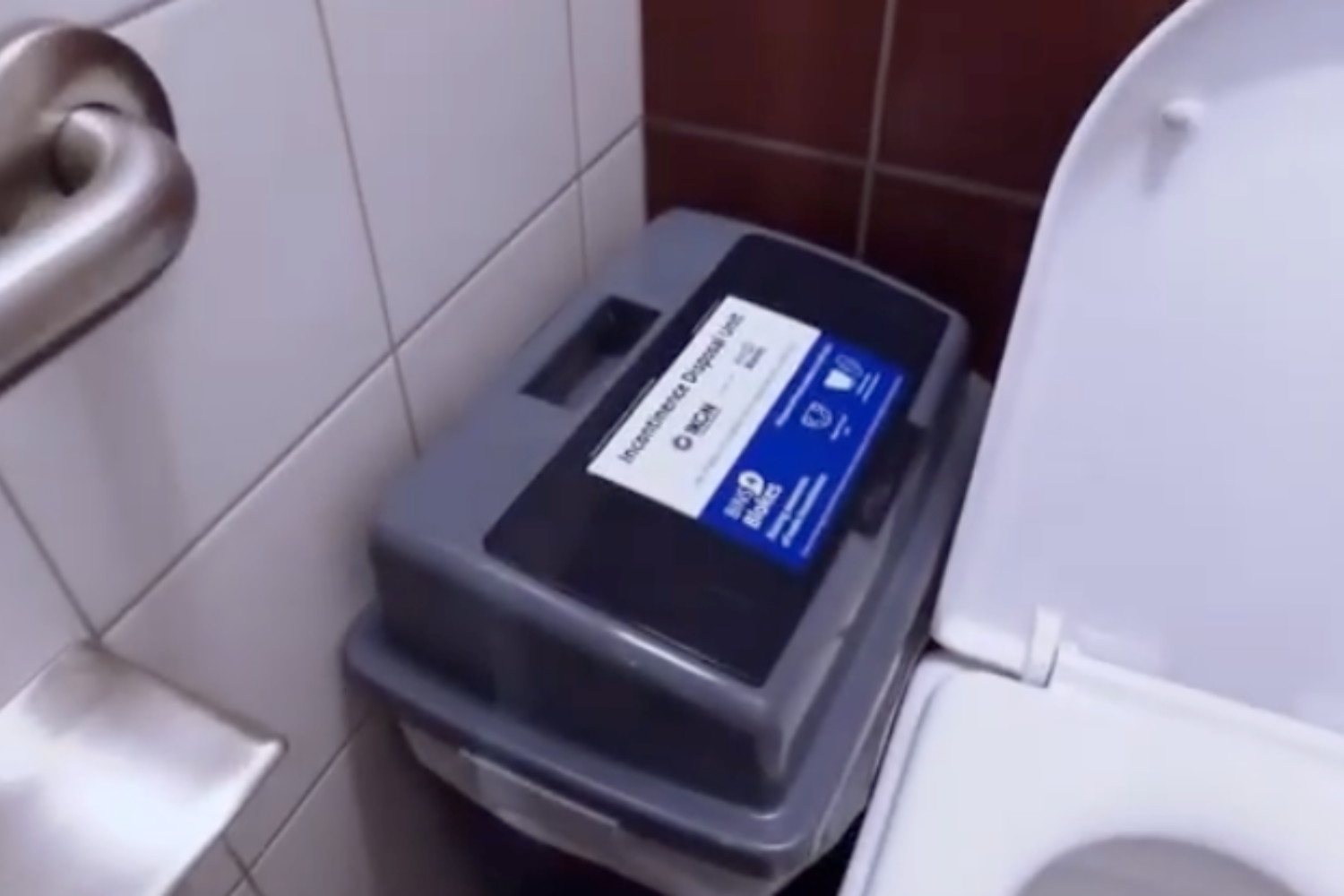
This initiative, a collaboration between the City of Stonnington and Continence Health Australia, is part of a broader national program called “BINS4Blokes.” The program’s core objective is to increase the availability of discreet disposal options in male public restrooms, a facility that has historically been overlooked.
The Scale of the Issue
According to Continence Health Australia, a staggering 2.4 million Australian men and boys live with some form of urinary or bowel incontinence. For these individuals, managing their condition in public spaces can be a source of significant stress and embarrassment. The absence of sanitary bins in men’s public toilets often leaves them with no dignified way to dispose of continence products, such as pads and liners, when they are away from home. This lack of appropriate facilities can lead to many men avoiding public restrooms altogether, impacting their social lives and overall well-being.
Stonnington’s Trial Locations
The City of Stonnington is trialling the “BINS4Blokes” initiative at six of its council-run facilities. This pilot program is designed to gather crucial feedback from the community before a wider rollout is considered. The locations participating in the trial include:
- Toorak/South Yarra Library: Specifically in the male ambulant cubicle.
- Malvern Library: Also in the male ambulant cubicle.
- Phoenix Park Library: Both the general male toilet and the male ambulant toilet will be equipped with bins.
- Stonnington Sports Centre: The level 1 male ambulant cubicle.
- Chapel Off Chapel: The male ambulant cubicle.
- Phoenix Park Community Centre: The ground floor male ambulant cubicle.
Community Feedback: A Crucial Step
The success of this trial hinges on community input. The City of Stonnington is committed to understanding the impact of these new facilities and will be conducting surveys with local residents. This feedback, expected to be gathered before June 30, will be instrumental in informing future decisions about expanding the program.
A Growing National Movement
The City of Stonnington’s initiative is not an isolated one. Councils and communities across Australia are increasingly recognising the importance of addressing continence needs in public spaces. Several other local governments have expressed interest in the “BINS4Blokes” program and are exploring the feasibility of installing sanitary bins in their own facilities.
One compelling story that highlights the urgent need for this change comes from Mick Barrett, a prostate cancer survivor from southwest Sydney who experiences incontinence. Mick shared his personal struggles with ABC News, recounting instances where he had no option but to carry used continence pads in his pocket or a plastic bag due to the lack of disposal bins in men’s restrooms.
“I’d go to the toilet, change my pad and — if there was no bin available — have no other option but to stick it back in my pocket,” Mick explained. “I also started carrying a plastic bag [to put the pads in] all the time.”
Motivated by his own experiences, Mick has been advocating for the installation of sanitary bins in public toilets within his local area. His efforts have contributed to a growing awareness of the issue. In response to such community advocacy, the Wollondilly Shire Council, for instance, voted in December to investigate the costs and practicality of installing sanitary bins across all its public toilet facilities, including male, female, accessible, and unisex amenities.
This growing momentum signifies a positive shift in how continence is perceived and managed in public life, moving towards a more supportive and inclusive Australia for everyone.