
Queensland Revisions: E-Mobility Laws Softened Amidst Public Outcry
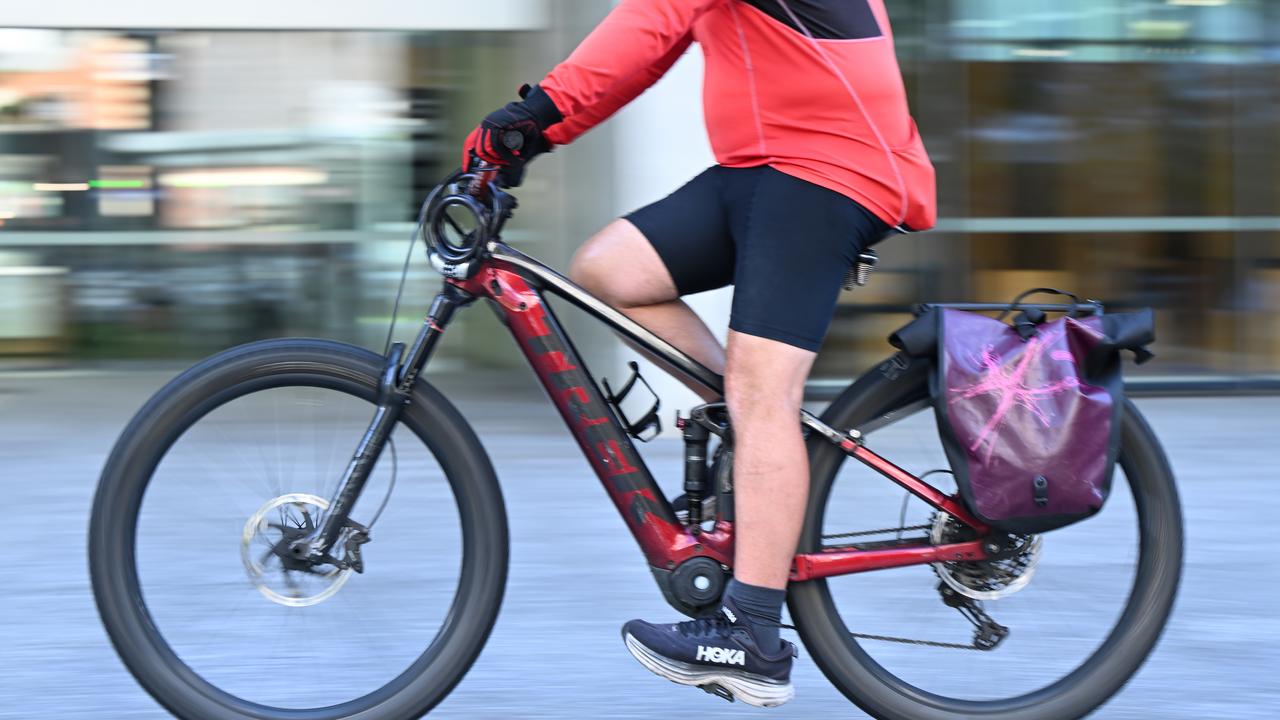
Queensland’s state government, initially aiming for “nation-leading” reforms to curb e-mobility device use, has significantly revised its proposed legislation following widespread community backlash. While police will still be granted some of the most stringent powers in Australia regarding e-scooters and e-bikes, the government has retreated from key proposals that drew “vehement criticism.”
The most notable concession involves the age limit for riders. An earlier plan to ban individuals under 16 from operating e-scooters and e-bikes has been abandoned. Instead, the amended legislation, slated for introduction into the Queensland Parliament, will permit children aged 12 to 17 to use these devices. However, this privilege is contingent on parental supervision, a crucial safeguard introduced in response to feedback.
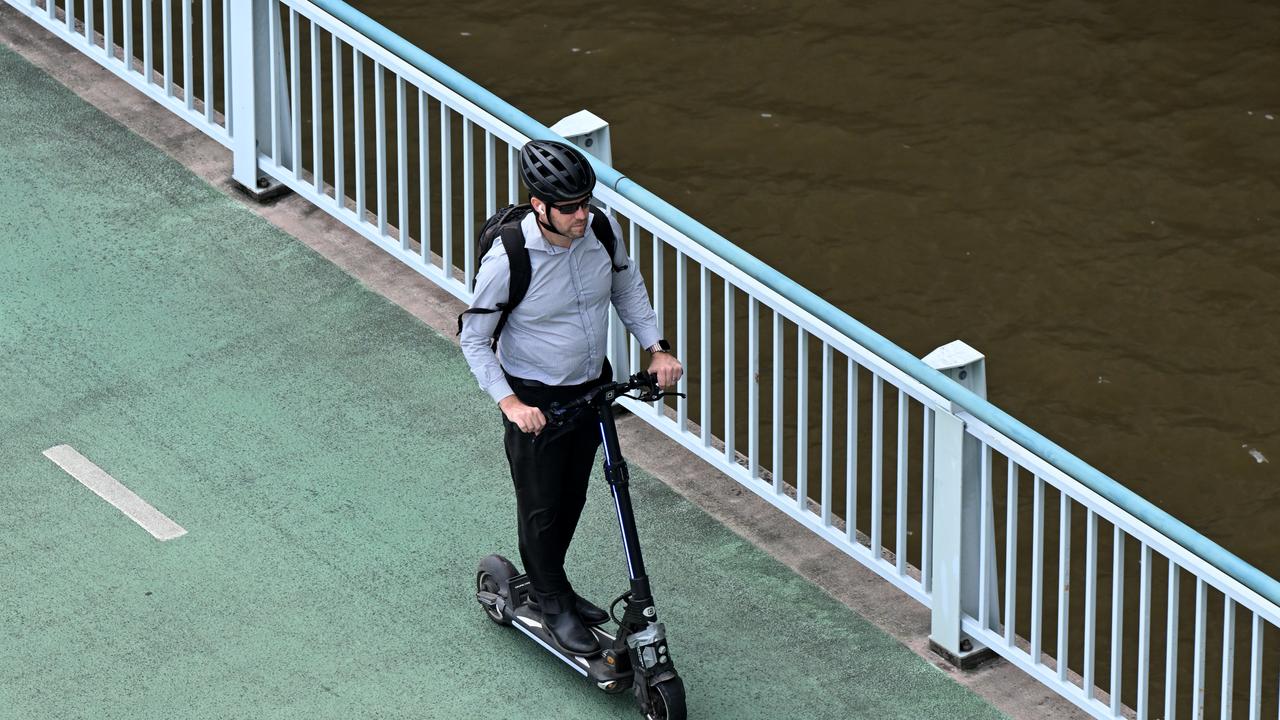
This adjustment marks a departure from the initial proposal, which mandated a minimum age of 16 and required a driver’s licence for all riders. Furthermore, the Liberal National (LNP) government has also stepped back from imposing stricter speed limits on footpaths. A proposed cap of 10km/h has been scrapped. Following a parliamentary committee review and extensive community consultation, the existing 12km/h limit will be maintained.
Enhanced Police Powers and Stricter Enforcement
Despite the softened approach on age and speed limits for younger riders, the revised laws will introduce significant new powers for law enforcement from July 1. Police will be empowered to conduct random breath tests on e-scooter and e-bike riders in public spaces. This measure, alongside the authority to seize and destroy illegal, high-powered devices operating on roads and footpaths, aims to address safety concerns stemming from misuse.
Beyond these new enforcement capabilities, penalties for various offences will also see an increase. Riders can expect harsher consequences for:
- Speeding
- Failing to wear a helmet
- Careless riding
- Illegally carrying passengers
- Riding on prohibited roads
These regulatory limits for legal e-bikes will broadly align with European standards, capping power at approximately 250 watts and speeds at 25km/h. However, Queensland’s proposed package distinguishes itself by incorporating random breath testing and the seizure powers for non-compliant devices, a more comprehensive approach than many other jurisdictions.
A Patchwork of E-Mobility Regulations Across Australia
The approach taken by Queensland stands in contrast to the varied regulations implemented across other Australian states. Many jurisdictions continue to grapple with how to best manage e-scooters and e-bikes, often through trial periods or outright bans on private devices in specific areas.
- New South Wales: E-scooters remain under tight control, with trials and restrictions in place in various parts of the state. The government is reportedly considering an age limit for riders.
- Victoria: Similar to NSW, Victoria employs a trial-based approach, limiting the use of private e-scooters.
- South Australia: The state has also implemented restrictions and is likely reviewing its policies in light of evolving e-mobility trends.
- Western Australia and Tasmania: These states have already introduced restrictions specifically targeting under-16s using e-mobility devices, indicating a growing consensus on the need for age-based controls.
Balancing Safety and Accessibility
Transport and Main Roads Minister Brent Mickelberg emphasised that the Queensland reforms are designed to target “illegal and souped-up e-bikes and scooters” that pose a risk on roads and paths. He stated that the government’s initial commitment to community safety remains paramount.
“When we first began this reform process, we said we would make the tough decisions to keep the community safe,” Minister Mickelberg said. “But we have also listened to the community, and will introduce provisions so those aged 12 to 17 and those with a medical condition will be able to use e-mobility devices under certain conditions.”
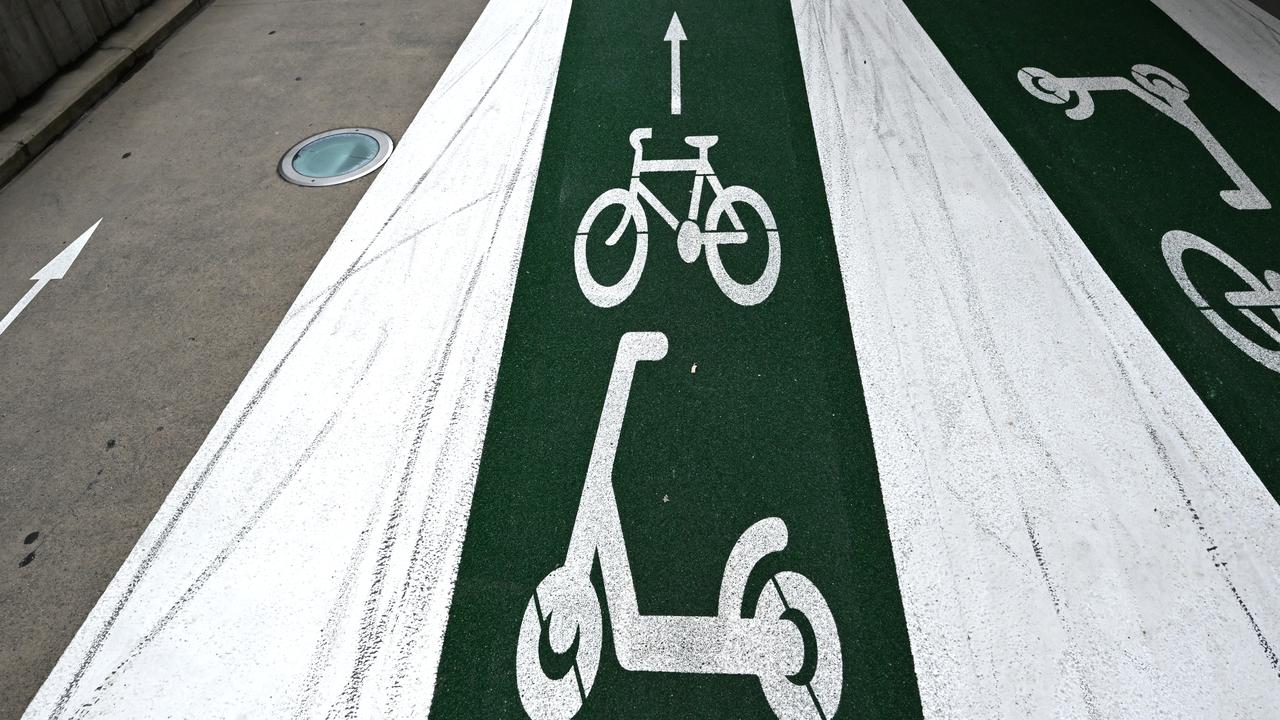
He further elaborated, “Our reforms … strike the right balance between making our streets safer from those who do the wrong thing, while backing those people who do the right thing.”
Opposition and Advocacy Group Support for Targeted Reforms
The opposition has been vocal in its criticism of the initial bill, with Transport spokesman Bart Mellish describing it as a “disaster” that faced “some of the most vehement criticism I’ve seen of a bill in my time in this parliament.” He metaphorically suggested the legislation required “more panel beating than a demolition derby car trying to pass a roadworthy.”
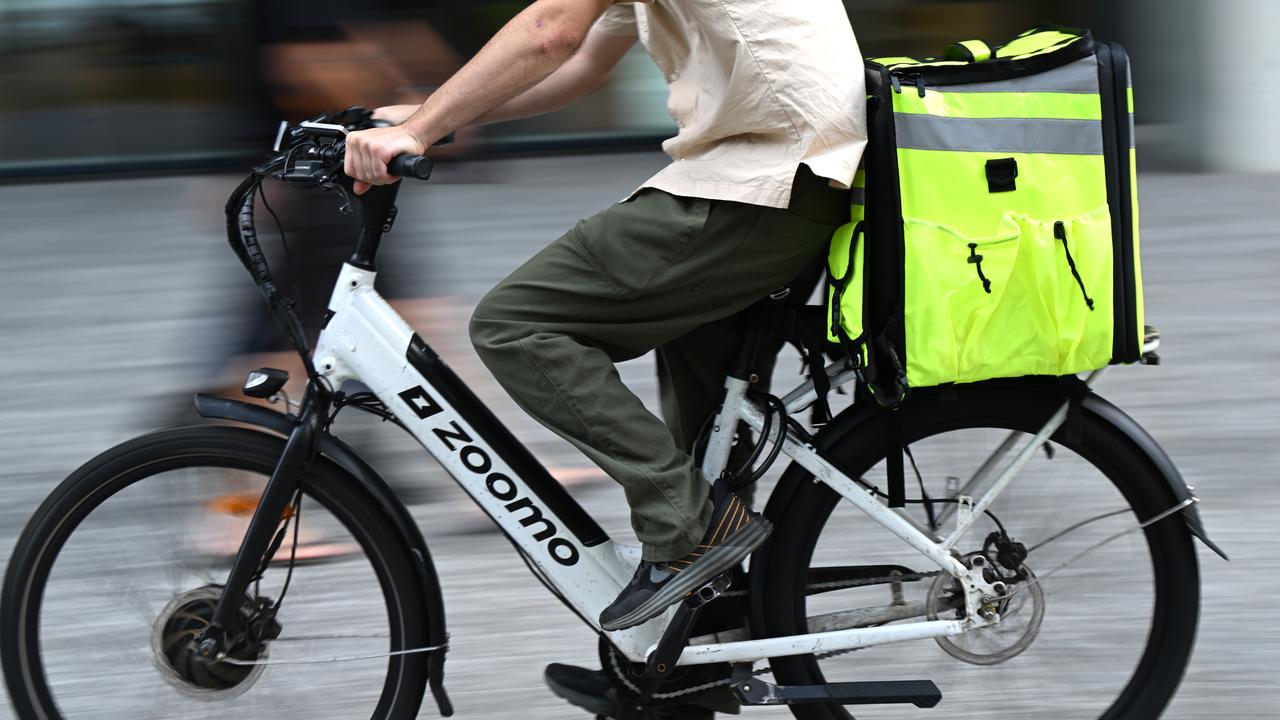
However, advocacy groups like Amy’s Foundation appear to support the revised focus on illegal devices. Katherine Bates, the foundation’s managing director, noted that out of 12 e-mobility-related deaths in Queensland last year, only one involved a legal e-bike. “The harm comes from illegal, high-powered devices, and these laws are right to target that,” Ms Bates commented, suggesting the revised legislation’s emphasis on tackling non-compliant machines is a positive step. The government’s willingness to adapt its “nation-leading” ambitions based on public feedback and committee recommendations highlights a shift towards a more pragmatic and community-informed approach to regulating the growing e-mobility sector.


