

Drivers of large Sports Utility Vehicles (SUVs) in London could soon face additional charges as part of a broader initiative to significantly reduce road fatalities. The capital’s streets are a constant battleground for limited space, with serious injuries and deaths unfortunately remaining a persistent issue.
The Mayor of London, Sadiq Khan, is reportedly exploring the introduction of levies on larger SUVs operating within the city. This potential move is understood to be a component of Transport for London’s (TfL) comprehensive Vision Zero action plan, which aims to eliminate all deaths and serious injuries from the transport network. TfL’s internal research suggests that SUVs contribute to “intensifying risks across London.”
Beyond potential SUV charges, other road safety measures under consideration include:
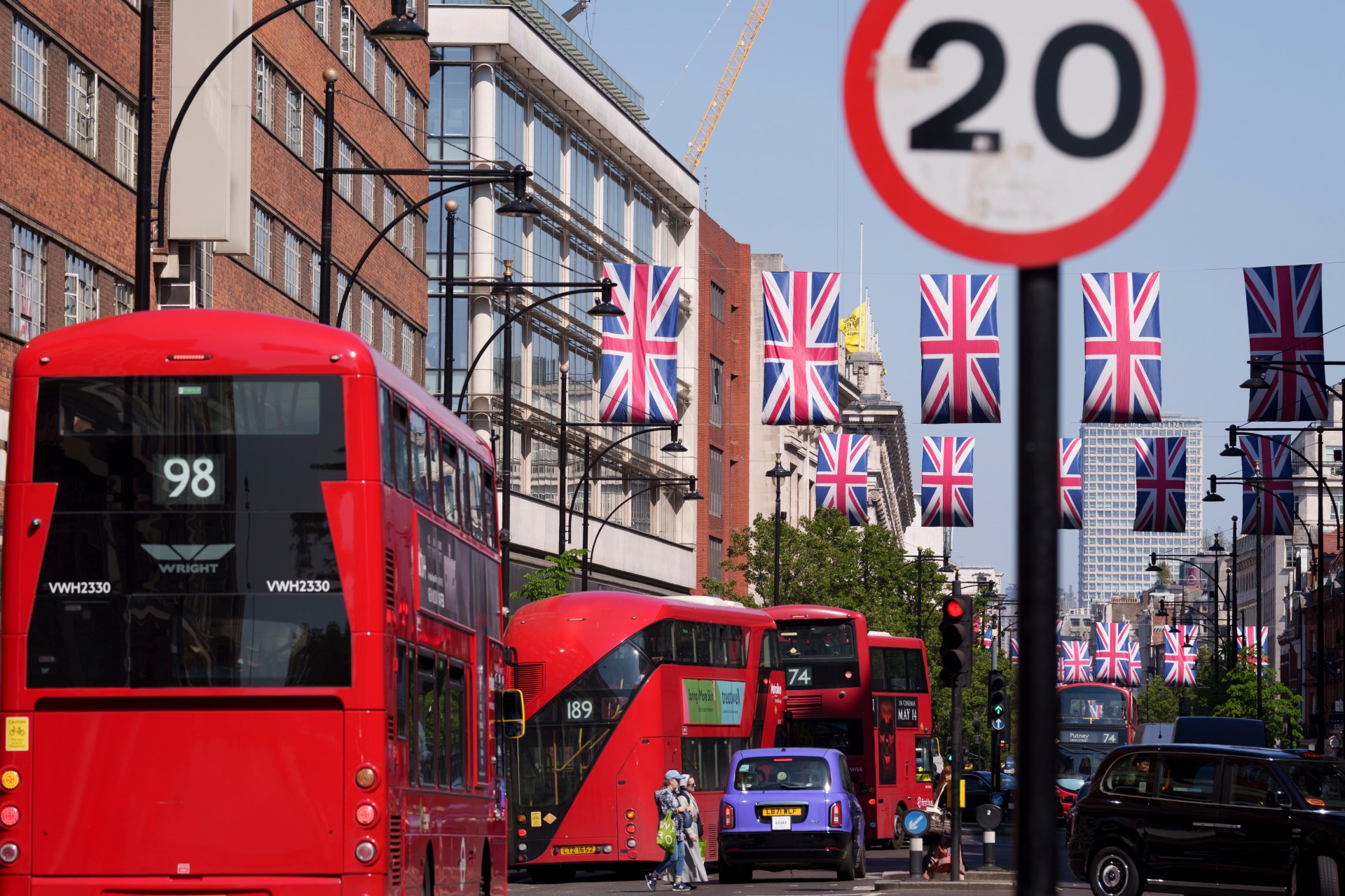
- Expanded 20mph speed limits: More roads across the city could see their speed limits reduced to 20mph.
- AI for enforcement: The deployment of artificial intelligence is being explored to assist in identifying and penalising dangerous driving behaviours.
- New pedestrian crossings: A substantial commitment to installing 1,000 new pedestrian crossings is also on the table.
Understanding the Potential SUV Charge
While no concrete decisions have been made, and specific details remain limited, the rationale behind targeting SUVs centres on their perceived increased risk to other road users. A key concern highlighted in TfL’s research is that SUVs “significantly increase the severity of collisions.”
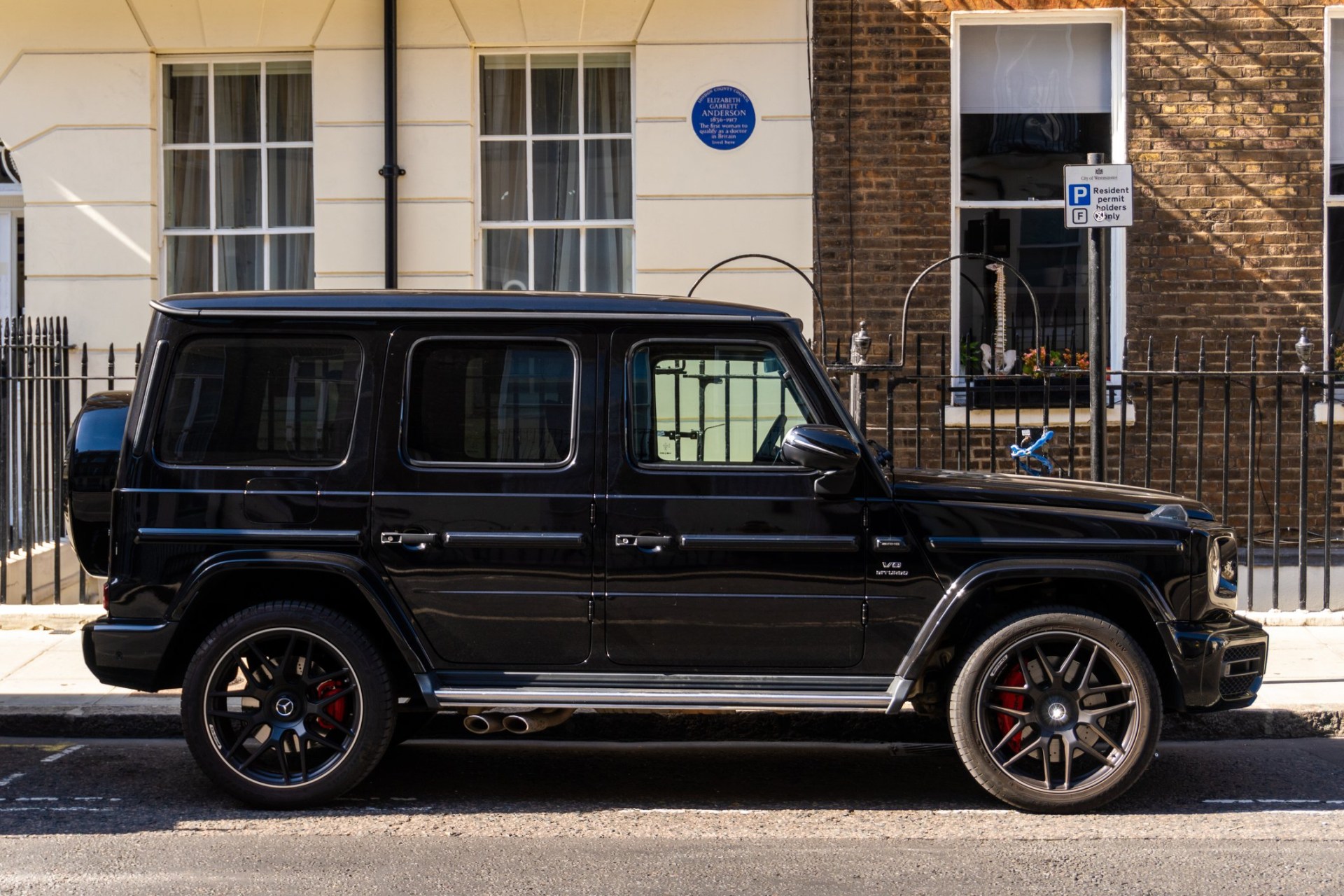
The Vision Zero document elaborates on this, stating that the sheer size of vehicles like SUVs can create blind spots, making it “harder for drivers to see people walking and cycling nearby.” This poses a particular danger to children, who can be more easily “hidden from driver’s view.”
The increasing popularity of SUVs in recent years has coincided with a growing chorus of criticism regarding their size, environmental impact, and safety implications. This sentiment has even led to direct action, with groups like The Tyre Extinguishers deflating SUV tyres in protest. In 2022, this group gained notoriety for “disarming” thousands of SUVs across the UK by emptying their tyres overnight.
What Exactly is an SUV?
Defining an SUV isn’t a straightforward task, as there’s no single, universally agreed-upon definition. However, they are generally recognised as being larger, bulkier four-wheel-drive vehicles with a higher driving position than standard cars. In the UK, SUVs currently account for approximately one-third of all new car purchases.
Historically, SUVs were designed for rugged off-road conditions, drawing inspiration from military and agricultural vehicles, with early designs pioneered by brands such as Jeep and Land Rover. Despite their origins, campaign group Transport Environment points out that SUV sales are heavily concentrated in urban environments – precisely the areas where space is at a premium and air quality is already a significant concern.
Furthermore, the physical impact of these heavier vehicles on road infrastructure is also being considered. Transport Environment suggests that a two-tonne vehicle can inflict 16 times more damage to road surfaces than a smaller, mid-size car, potentially leading to increased expenditure on repairs. Road safety charity IAM RoadSmart echoes these concerns, with its research indicating that 33% of over 1,000 motorists surveyed believe SUVs pose a greater danger to pedestrians than smaller vehicles.
Other Road Safety Measures on the Horizon
The Vision Zero plan encompasses a range of other initiatives aimed at enhancing road safety:
- Expanding 20mph Speed Limits: Following the successful implementation of 20mph limits on central London roads in 2020, there’s a push to extend these lower speed restrictions to more thoroughfares. Speeding is identified as one of the most preventable causes of road danger, and the 40% reduction in deaths observed in areas with 20mph limits has bolstered the City Hall’s support for their wider adoption.
- Introducing 40mph Limits on High-Risk Roads: For faster, high-risk roads managed by TfL that are situated near residential buildings or feature numerous side roads without traffic signals or bus stops, a 40mph speed limit is slated for introduction.
- Timeline for Speed Limit Changes: The report indicates that speed limit modifications on TfL-managed roads are envisioned to be completed by 2035.
A spokesperson for the Mayor emphasised the growing body of evidence concerning the safety risks associated with large SUVs. “There is growing evidence about the safety risks of large SUVs, which are becoming more common on London’s roads,” they stated. “It’s a startling figure that SUVs are 77 per cent more likely to kill a child if involved in a collision.”
The spokesperson continued, “The Mayor has asked TfL to undertake detailed analysis of the safety risks posed by large SUVs and their wider impact on London’s roads. This could then inform any future policy proposals in London or recommendations to Government or the sector. As the numbers of large SUVs increase on London’s roads, it is right that TfL consider their impact on safety and how they affect other road users.”


