

UK Explores Autonomous Weapons Amidst Shifting Global Defence Landscape
The United Kingdom is reportedly contemplating a significant shift in its military policy, considering the possibility of allowing AI-powered weapons systems to engage targets without direct human approval. This potential evolution in defence strategy comes at a time of rapid technological advancement and increasing global instability, prompting a re-evaluation of established protocols surrounding lethal autonomous weapons systems (LAWS).
Al Carns, the UK’s armed forces minister, has articulated a pragmatic view on the necessity of such capabilities. Speaking from a drone conference in Riga, Latvia, Carns highlighted the evolving nature of warfare, suggesting that in certain scenarios, AI systems might be better equipped to make rapid targeting decisions. He stated, “I always say there must be a human in the loop. But you must have the ability to take the human out of the loop when required, because our adversaries won’t care about having a human in the loop.” This sentiment underscores a perceived need to maintain a strategic advantage in the face of potential adversaries who may not adhere to similar ethical or operational constraints.
Current UK military policy, as outlined in a 2022 publication, emphasizes “context-appropriate human involvement” in the selection and engagement of targets. Furthermore, a submission to the UN’s Office of Disarmament Affairs in early 2024 asserted that the UK does not currently possess fully autonomous weapon systems, defined as armaments operating without human oversight or accountability, and has no intention of developing them. This stance, however, appears to be under review amidst the burgeoning integration of drone technology and artificial intelligence in modern conflict.
The United Nations, meanwhile, has taken a firm stance against such developments. The international body has explicitly stated that “No state should develop or deploy such systems.” UN Secretary-General António Guterres has described autonomous weapons as “politically unacceptable and morally repugnant,” reflecting a global concern about the ethical implications of delegating life-and-death decisions to machines.
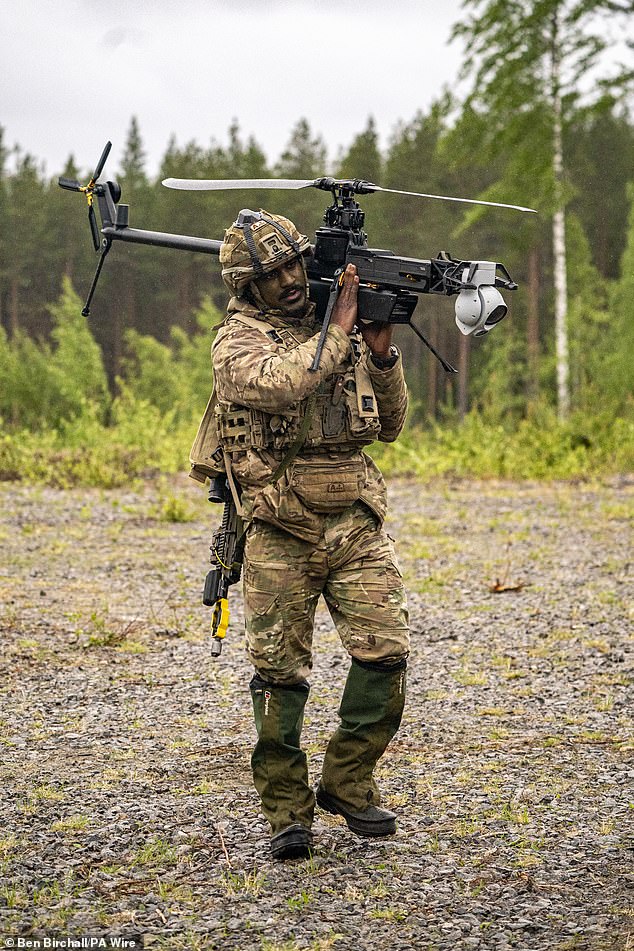
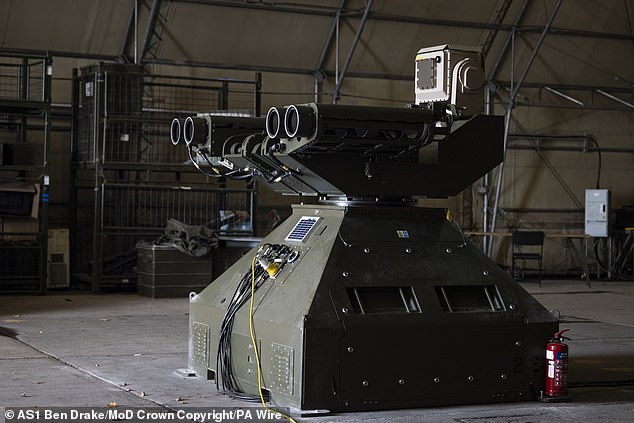
Despite these international calls for caution, the proliferation and sophisticated development of drones in contemporary warfare are compelling nations, including the UK, to reconsider previous “red lines.” Carns acknowledged that some British weapons systems already exhibit a degree of autonomy, capable of independently identifying and striking targets. This suggests a gradual integration of AI into military operations, which may pave the way for more advanced autonomous capabilities.
In February, the UK government initiated a review of the regulatory framework governing the use of unmanned and autonomous systems. The stated objective is to ensure that existing policies are “updated to be fit for the current era of threat.” This review signifies a proactive approach to adapting military doctrine to the realities of modern conflict, where speed and technological superiority can be decisive.
However, the prospect of increased reliance on autonomous weapons is not without its detractors and potential risks. Concerns linger about the unintended consequences and the possibility of such systems malfunctioning or making erroneous decisions. A recent incident in Latvia, where two Ukrainian drones reportedly struck an oil facility, has amplified these anxieties. While Ukraine attributed the incident to Russian interference, Latvian military sources reportedly considered the possibility that the drones, intended for a Russian target, may have autonomously locked onto the Latvian facility by mistake. This event highlights the critical importance of precision, reliability, and robust fail-safes in autonomous systems.
Public opinion also appears divided on the issue. A poll conducted by Politico in February revealed that a significant majority of Britons, nearly two in three, would prefer human decision-makers for weapons systems, even if it meant slower response times. Similar sentiments were observed among respondents in Canada, the United States, and France. Conversely, a notable minority in Germany – one in three – expressed a preference for AI systems in weapons, even if they were less transparent. Less than half of the German respondents indicated a preference for human control over weapons systems. These findings underscore a complex and evolving public discourse surrounding the ethical and practical considerations of AI in warfare. The debate continues as nations grapple with the strategic imperatives and ethical quandaries presented by the rise of autonomous weapons.


