
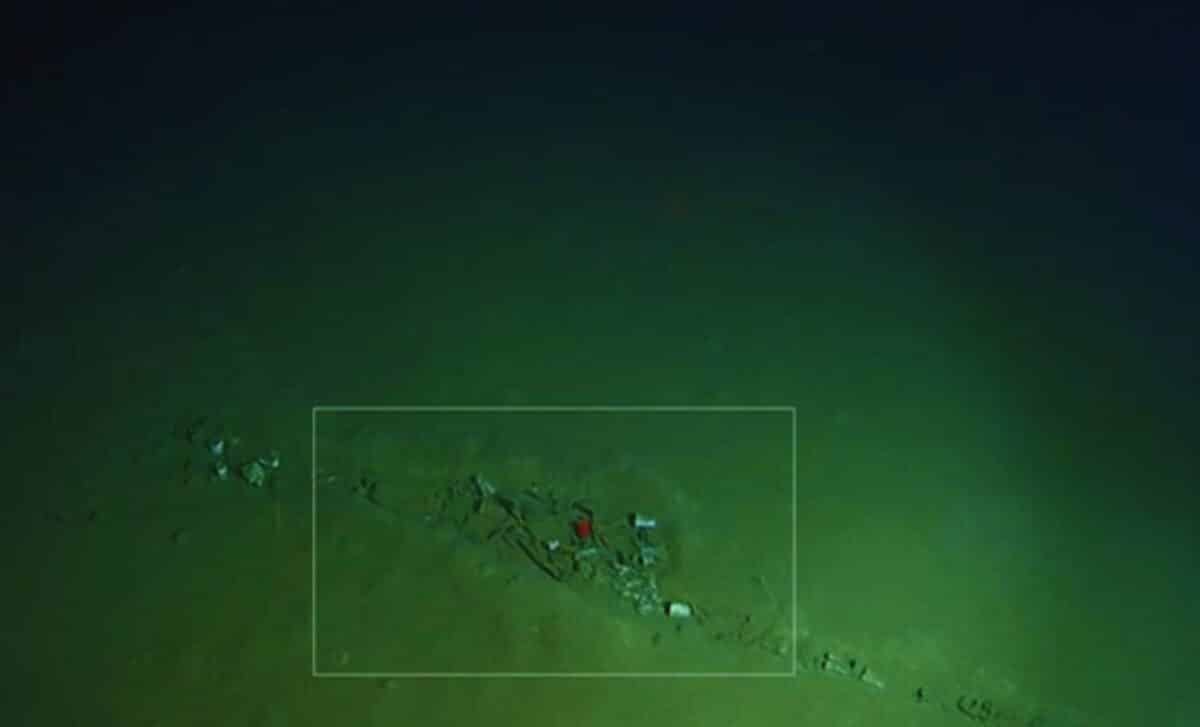
More than five kilometers below the surface, the Calypso Deep is no longer untouched. Scientists have discovered a significant amount of human waste at the very bottom of the Mediterranean Sea, a location once believed to be far removed from everyday pollution.
The findings come from a study published in Marine Pollution Bulletin, led by Miquel Canals from the University of Barcelona, alongside an international team of researchers.
A Surprising Amount of Waste in a Remote Trench
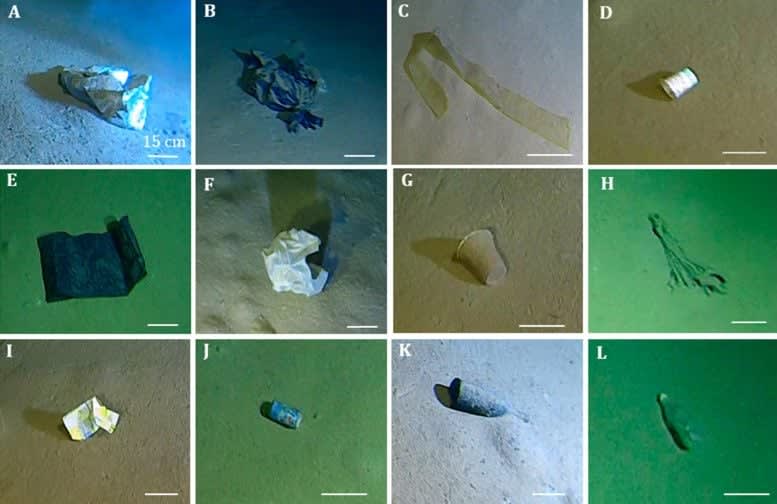
During the expedition, researchers counted 167 objects on the seafloor at a depth of 5,112 meters. Out of these, 148 were clearly identified as marine debris, mostly plastic, glass, metal, and paper. According to the study published in Marine Pollution Bulletin, this is one of the highest concentrations of litter ever seen at such depths. The site lies about 60 kilometers west of the Peloponnese, inside the Hellenic Trench, a deep and relatively enclosed structure.
To reach the area, scientists used the submersible Limiting Factor. During one dive, it spent 43 minutes near the bottom and covered around 650 meters, capturing images that revealed how widespread the debris is.
How Does Trash End Up This Deep?
The journey of this waste is less mysterious than it might seem. As explained by Miquel Canals:
“Some light waste, such as plastics, comes from the coast, from where it escapes to the Calypso Deep, just 60 kilometers away. Some plastics, such as bags, drift just above the bottom until they are partially or completely buried, or disintegrate into smaller fragments.”
Currents do the rest of the work. The research found that the debris can travel from the southern Ionian Sea, the Adriatic Sea, and nearby Greek waters. Surface eddies, which are rotating currents, can also gather floating waste and push it toward the trench, where it eventually sinks.
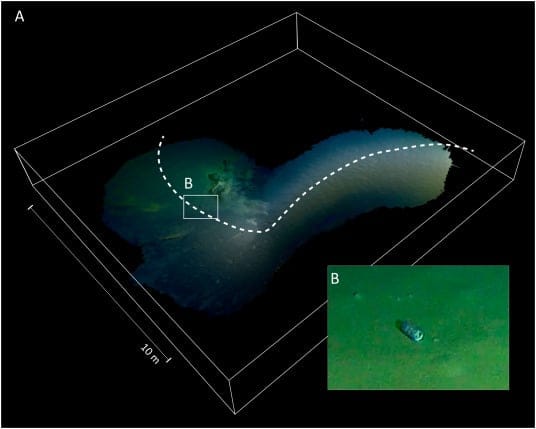
Researchers noticed clusters of debris arranged in lines, along with marks on the seabed.
“We have also found evidence of the boats’ dumping of bags full of rubbish, as revealed by the pile-up of different types of waste followed by an almost rectilinear furrow. Unfortunately, as far as the Mediterranean is concerned, it would not be wrong to say that ‘not a single inch of it is clean,’ he declared.”
A Deep-sea Trap That Keeps Everything
The shape of the Calypso Deep plays a big role in all this. It acts like a natural basin where anything that falls in tends to stay there.
As stated by Caladan Oceanic, currents inside the trench are very weak, usually around 2 centimeters per second, which makes it easy for debris to settle and hard for it to leave. Over time, this leads to accumulation.
Life at that depth is sparse. The cameras only spotted a few species, including the fish Coryphaenoides mediterraneus and the shrimp Acanthephyra eximia. In richer environments, scientists say, this kind of pollution can affect marine life in different ways.
The Broader Implications
This discovery highlights the urgent need for better waste management practices, especially in coastal regions. Even remote areas, once thought to be safe from human impact, are now showing signs of contamination.
The study serves as a reminder that pollution knows no boundaries. Whether it’s plastic, glass, or metal, these materials can travel vast distances through ocean currents and end up in the most unexpected places.
As researchers continue to explore the depths of the ocean, it becomes increasingly clear that protecting our marine environments requires a global effort. Every action taken on land has consequences that ripple through the water, affecting ecosystems that are often out of sight but deeply interconnected.


