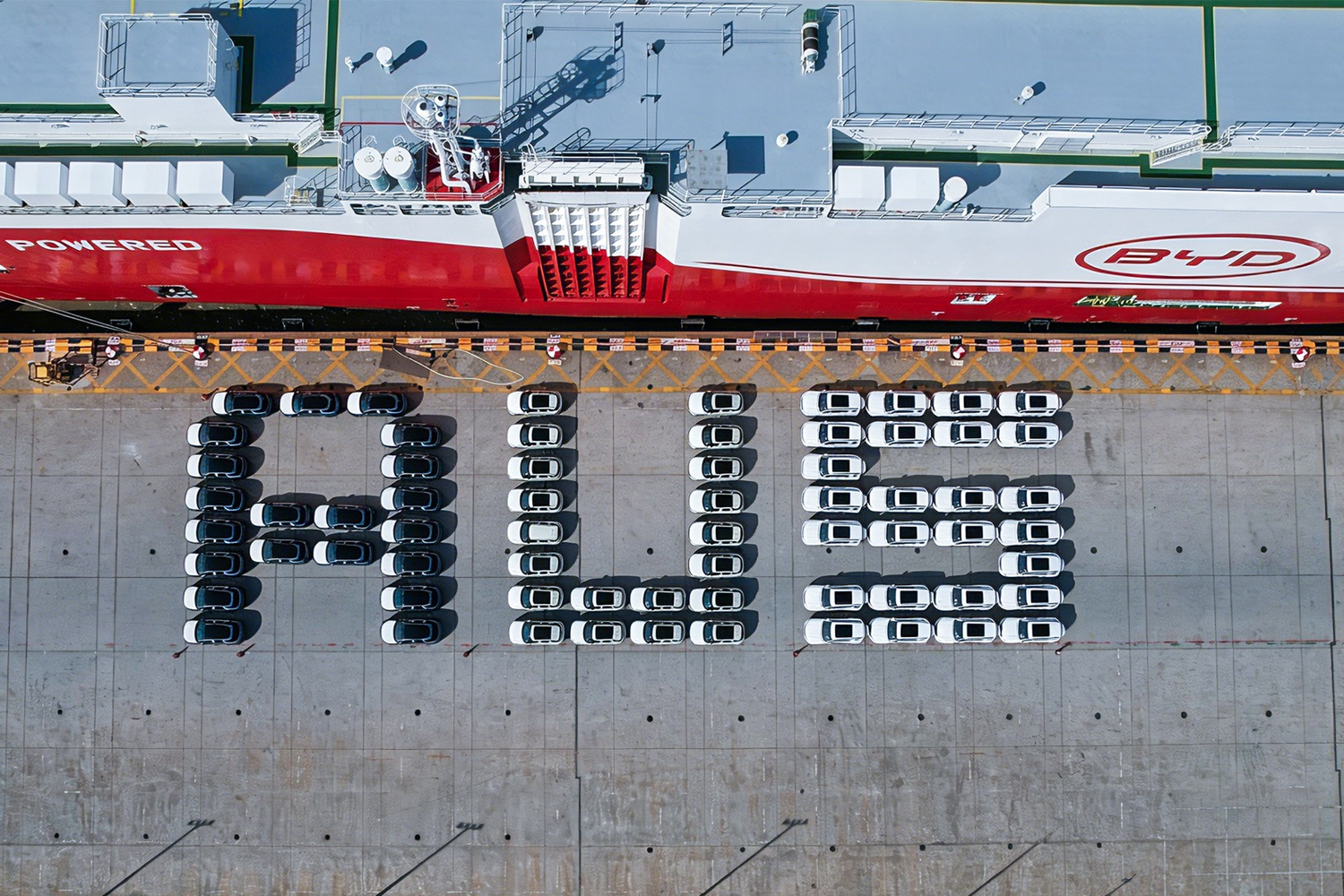
Massive EV Shipment Arrives in Australia, Signalling Market Growth
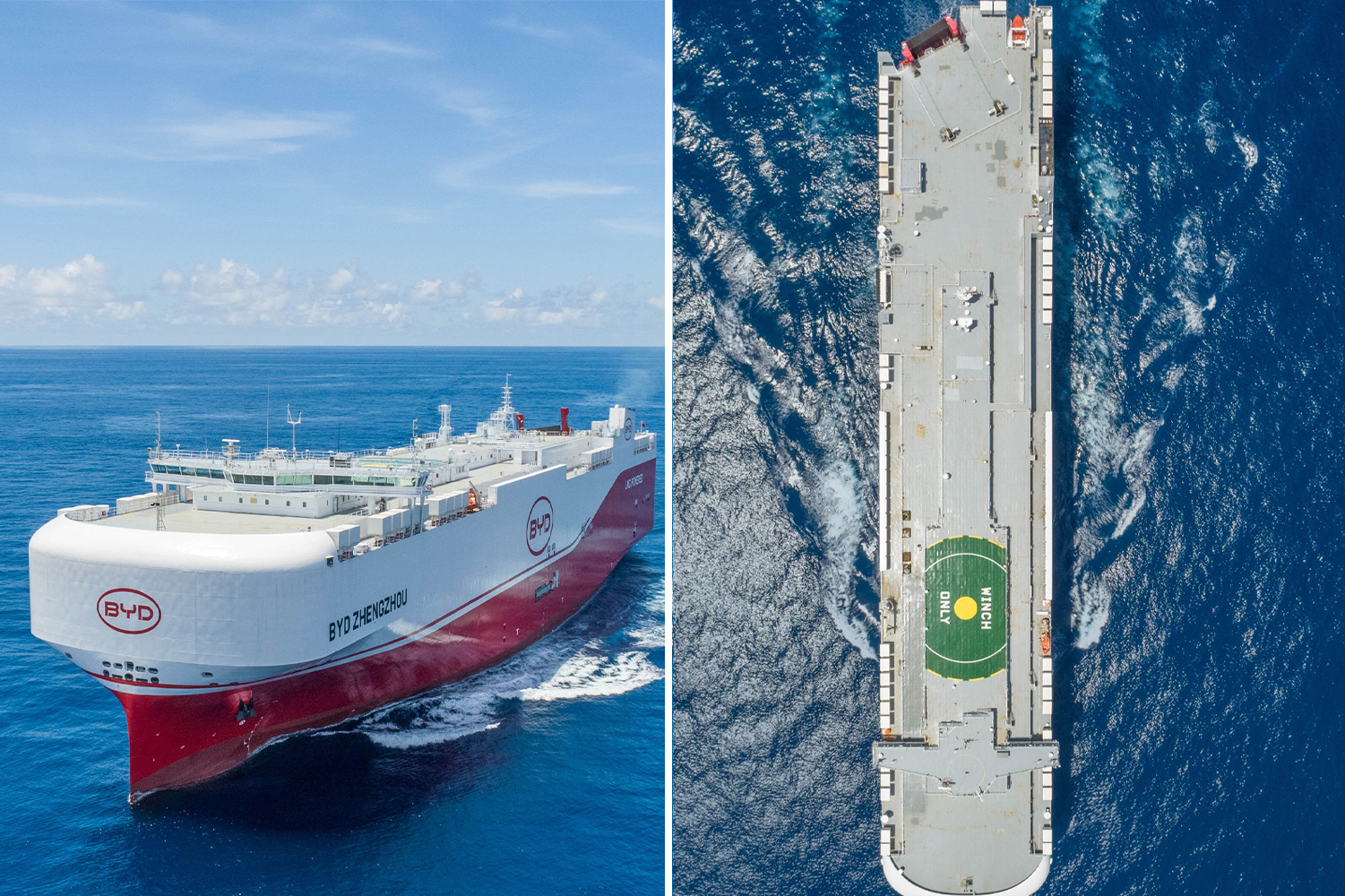
Australia’s electric vehicle (EV) landscape has been significantly bolstered with the arrival of one of the largest EV shipments ever to grace local waters. The Zhengzhou, a vessel owned by the prominent EV manufacturer BYD, has completed its inaugural journey to Australia, docking at Port Melbourne ahead of schedule. Onboard are nearly 5,000 new electric and plug-in hybrid vehicles, a monumental delivery that BYD has labelled a “momentous occasion.”
Given that the vast majority of new cars sold in Australia are imported by sea, shipping plays an absolutely crucial role in the nation’s automotive supply chain. This significant vessel is making its way along the east coast, with further deliveries scheduled for Sydney and Brisbane in the coming days. A select group of eager customers is expected to be present at the port to witness the arrival of their new vehicles.
What’s on Board? A Diverse Electric Fleet
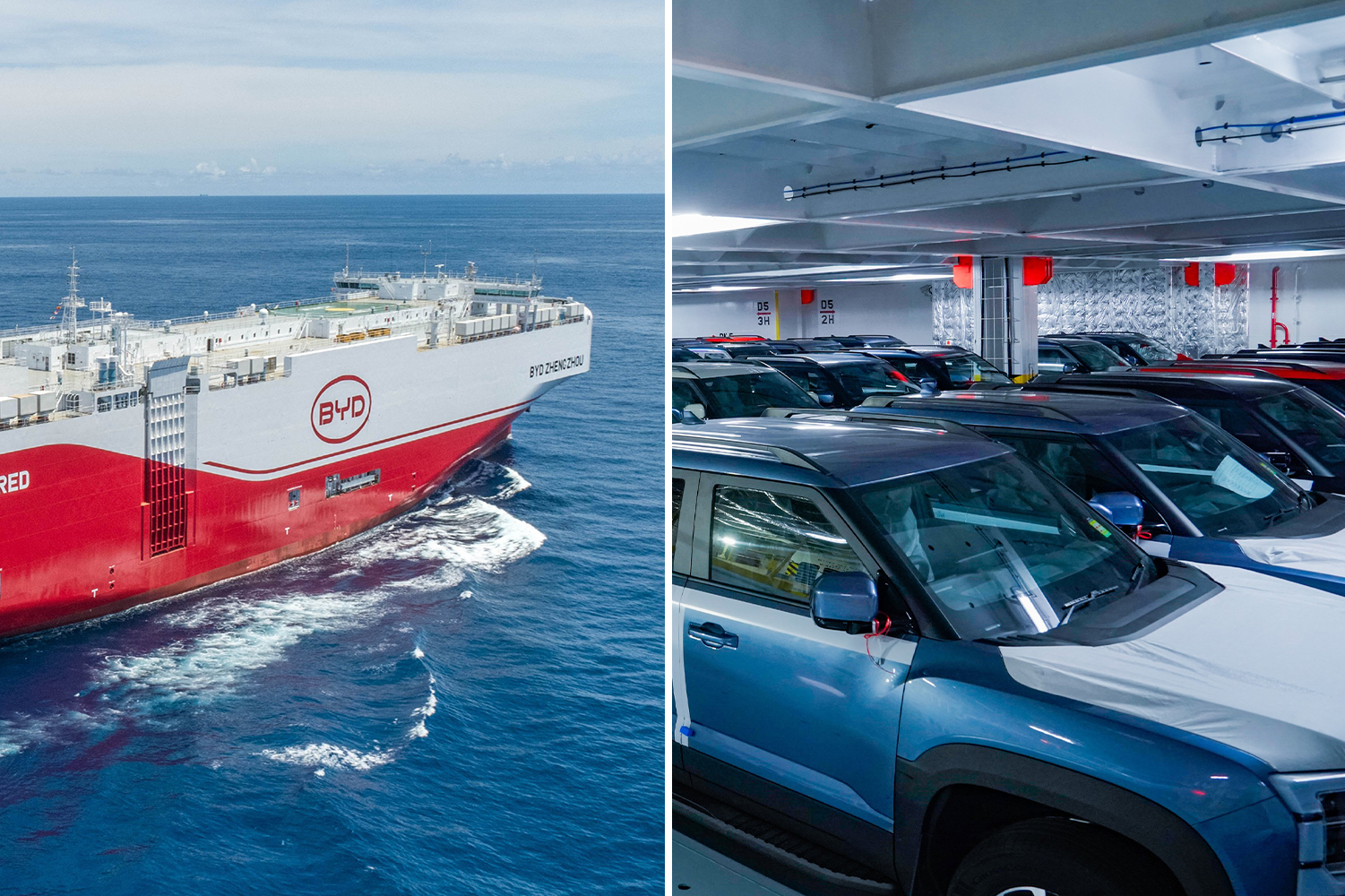
The extensive cargo comprises a variety of BYD and DENZA models. Notably, the Sealion 7 and Atto 2 models account for over 2,000 of the 4,810 vehicles making their way to Australian shores. The shipment also includes the rugged DENZA B5 off-roader and the spacious D9 people mover, catering to a broad spectrum of consumer needs and preferences.
This substantial arrival underscores BYD’s rapid ascent as one of Australia’s fastest-growing automotive brands. In April, the Chinese manufacturer achieved the impressive feat of becoming Australia’s second-highest-selling car brand, trailing only Toyota, with over 7,700 vehicles delivered during that month. BYD has publicly stated its ambitious goal of delivering 30,000 vehicles to Australian customers in the near future, a move aimed at meeting escalating demand.
In a strategic manoeuvre to stay competitive, particularly against rivals like Tesla in the Australian market, BYD has also announced a significant commitment regarding its advanced driver-assistance system, known as ‘God’s Eye’. At its Intelligence Strategy Launch Event, the company declared it would assume liability for accidents caused by this system, covering “all resulting economic losses” stemming from incidents linked to the use of its Urban Navigate on Autopilot (NOA) feature.
Australia’s Growing Appetite for Electric Vehicles
Professor Hussein Dia, a leading expert from Swinburne University, views this massive shipment as a clear indicator of Australia’s increasing importance within the global electric vehicle market. “This shipment is quite significant because it shows how quickly the Australian EV market is maturing and how confident some manufacturers like BYD now appear about long-term demand in Australia,” he commented.
As fuel prices continue to fluctuate, Professor Dia anticipates that the demand for electric vehicles in Australia will remain robust throughout 2026. The trend is already evident: in April, one in every four new vehicles sold in Australia was electrified. While traditional petrol and diesel vehicles still hold the majority of overall sales, their market share is steadily declining. For the first quarter of 2026, internal combustion engine vehicles recorded their lowest market share since the EV Index began tracking the sector in 2023.
Professor Dia attributes BYD’s particular success to its efforts in making EVs more accessible and affordable for mainstream consumers, a critical factor in driving Australia’s transition towards electric mobility.
A Different Perspective on the Shipment
However, not everyone is viewing this shipment with the same level of fanfare. Ambrose Henderson, Ford Australia’s marketing director, has offered a more grounded perspective, suggesting that the scale of this BYD delivery isn’t entirely unprecedented for the Australian market. He pointed out that Ford itself executed a similar logistical feat “four years ago” with the arrival of their Ranger and Everest models from Thailand.
“So we are taking those actions and already took those actions to secure the logistics for the volume of cars we’re selling years ago, so there’s in my mind no new news about a boat of 5000 cars coming, because we do that every month,” Henderson stated in a recent interview. He further elaborated that the influx of Chinese brands into the Australian market is simply the latest iteration in a long history of automotive brands establishing a presence Down Under.
“I think we’ve seen so many shifts in the industry over time, it would be a bold statement to say this is the biggest,” he added. “I think it’s a new wave of competitors that everyone is looking at, as we do all the time, both locally and internationally.” His comments suggest that while BYD’s arrival is noteworthy, it should be viewed within the broader, dynamic context of the Australian automotive industry’s evolution.