
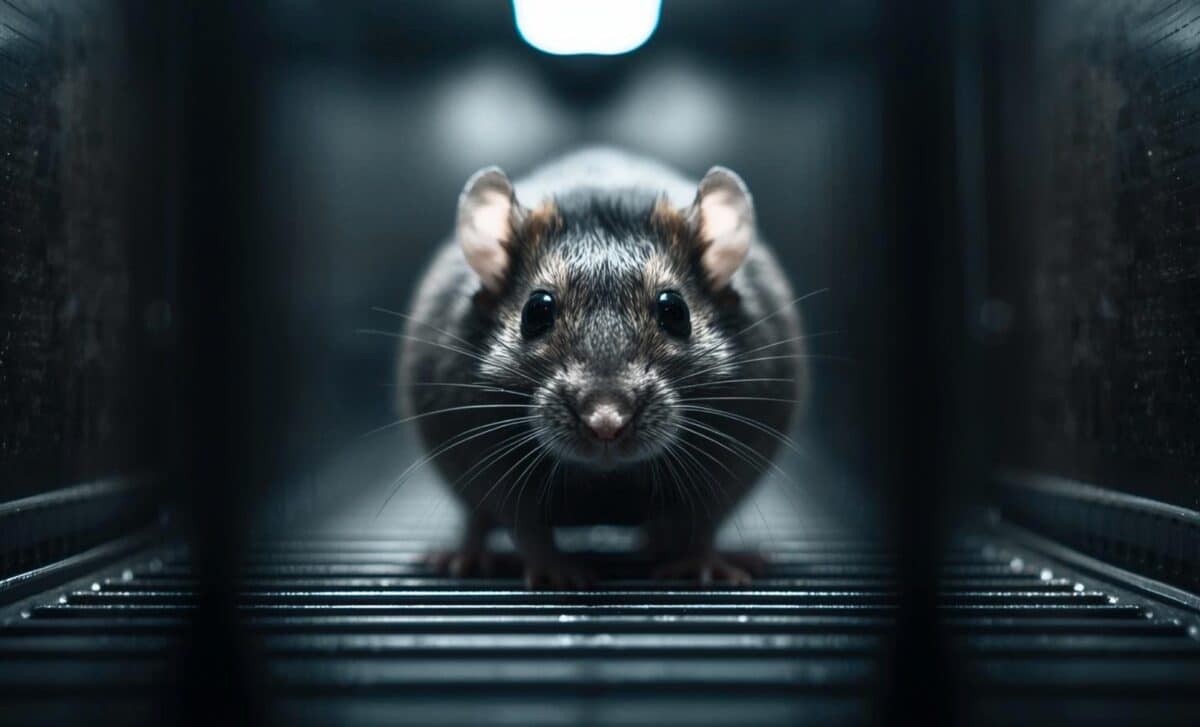
For two decades, a dedicated team of researchers at the University of Yamanashi in Japan meticulously repeated a remarkable biological experiment. Starting with a single female mouse, they used her cells to create a clone. Then, they took cells from that clone to create another, and then another, and so on, generation after generation. The extraordinary outcome was a lineage of mice that remarkably retained their sex and a distinctive agouti coat colour, creating an almost unbroken chain of continuity across the years. This wasn’t a quick test; it was a slow, deliberate investigation into the very limits of mammalian cloning.
The process unfolded at a steady pace. Once a cloned mouse reached approximately three months of age, researchers would harvest its cells to produce the next generation using nuclear transfer – the same fundamental technique that brought Dolly the sheep into existence. Each year, about three to four generations were produced, transforming what might have seemed like a singular scientific feat into an extended, long-term study. The core question driving this endeavour was profound: could mammal cloning repeatedly copy itself indefinitely without incurring a biological toll?
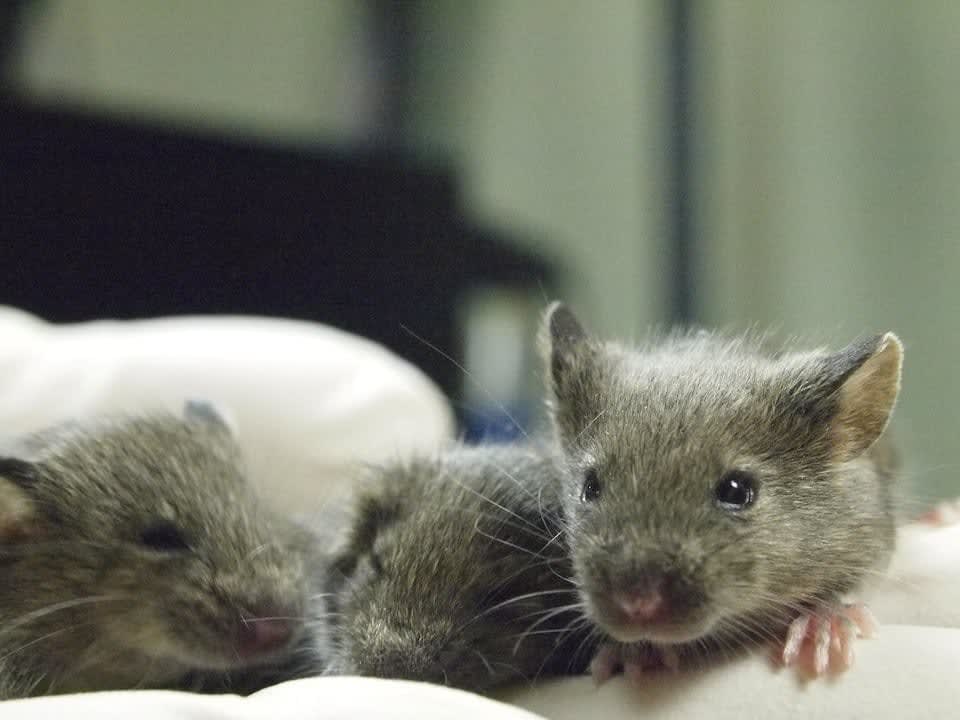
Initially, the results offered little indication of an impending limit. As early as 2013, the researchers had reported that the first 25 generations of cloned mice appeared entirely healthy, with no significant genetic warning signs. This left a larger, lingering question at the heart of the experiment: could serial cloning in mammals truly sustain a lineage far beyond a single successful clone, or was there an inherent biological ceiling?
The Experiment Reaches Its Limit
The definitive answer only emerged after the lineage was pushed considerably further. In a recent publication in Nature Communications, the researchers revealed that the success rate of pregnancies in their serial cloning experiment began to falter around the 27th generation. The 58th generation marked the ultimate endpoint. Tragically, all mice born in the 58th generation died within a day of birth, a stark contrast to the seemingly normal appearance and lifespans of earlier generations.
Professor Teruhiko Wakayama, a developmental biologist at the University of Yamanashi and a senior author of the study, commented on the significance of their findings. “No one has ever continued re-cloning for this long before,” he stated. “As a result, this is the first time we’ve discovered that repeated re-cloning eventually reaches its limits.” This observation is crucial because the study went beyond merely demonstrating that a single clone could be produced. It rigorously tested the long-term viability of sustaining a mammalian line through decades of serial cloning, and the outcome was an undeniable biological boundary.
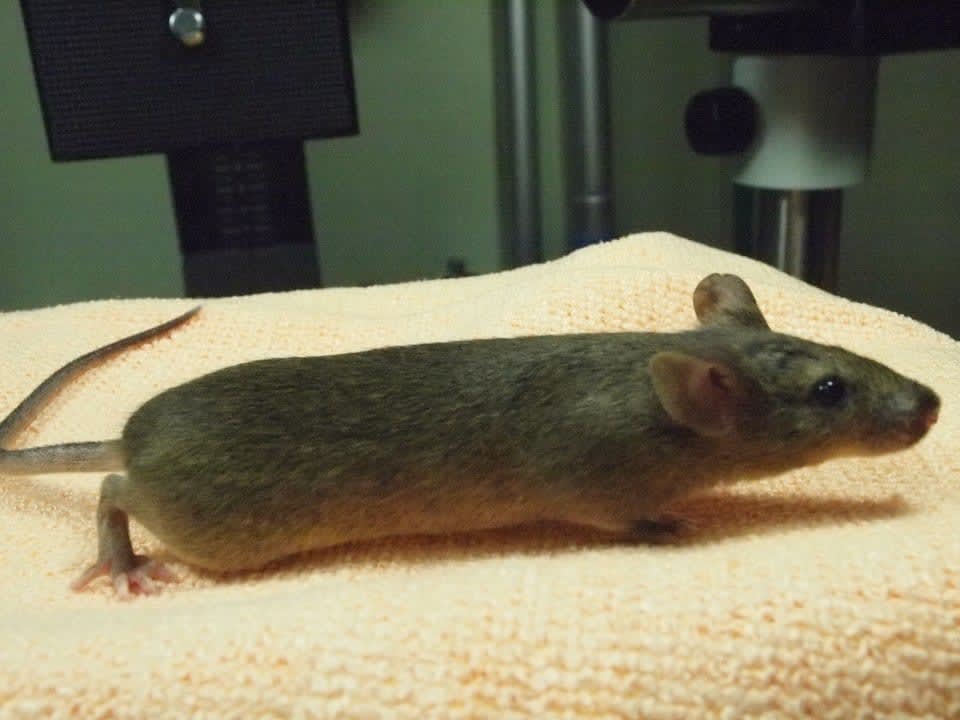
The sheer scale of this project lends significant weight to its conclusions. The study reports the production of over 1,200 cloned mice from a single original donor mouse, making it one of the most extensive and prolonged mouse cloning experiments ever conducted. While the animals appeared outwardly stable for an extended period, at the genomic level, the continuous copying was progressively eroding their genetic integrity.
Accumulation of Genetic Mutations
Genome sequencing provided a detailed, albeit concerning, picture of the damage. The researchers identified approximately 3,700 single-nucleotide variants (SNVs) and 80 insertion-deletions (indels) across generations 1 to 57. On average, this equated to an accumulation of 69.4 SNVs and 1.4 indels per generation. Beyond these smaller changes, the study also uncovered more significant structural alterations, including the presence of harmful variants and, in some instances, the loss of an X chromosome. These findings collectively pointed to a mounting burden of DNA mutations within the cloned lineage, despite their superficial resemblance to the original.
Professor Wakayama highlighted a key takeaway from the research: “It was once believed that clones were identical to the original, but it has become clear through this study that mutations occur at a rate three times higher than in offspring born through natural mating.” This statement encapsulates the essence of the study’s importance. The genome sequencing revealed that cloned mice were not perfect replicas of the donor. Instead, genetic defects were being passed down and amplified with each cloning cycle, without the natural genetic reshuffling that occurs during sexual reproduction to help eliminate them.
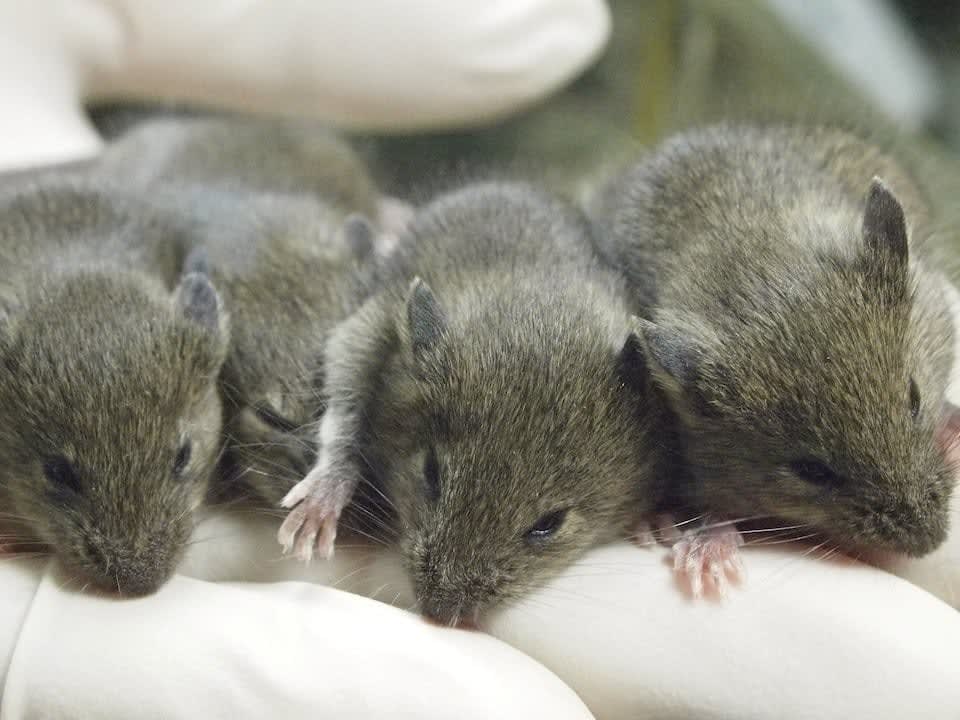
The researchers even employed a vivid analogy to describe the impact of serial cloning. They likened it to repeatedly photocopying a picture, where each subsequent copy experiences a slight degradation in quality, with these losses compounding over time. This analogy aligns perfectly with the genomic data presented in the paper, which illustrates a slow, incremental build-up of genetic changes rather than a sudden catastrophic failure.
Declining Fertility Precedes Final Collapse
One of the most observable indicators of the accumulating damage was a significant decline in fertility. When female mice from earlier cloned generations were mated with normal males, their litter sizes remained comparable to those of control groups, with around 10 pups born to G20 mice. However, this number plummeted dramatically in G50 and G55 mice, dropping to just 2.8 and 2.2 pups, respectively. This clearly demonstrated that a decline in reproductive capacity had begun well before the final generation succumbed shortly after birth.
Interestingly, the study also presented a revealing contrast. While serial cloning could not be sustained beyond generation 58, offspring produced through sexual reproduction from late-generation clones showed a partial recovery. Litter sizes increased to an average of 7.0 pups. Furthermore, the grandchildren of these late-generation clones exhibited placental sizes much closer to those of naturally fertilised embryos, rather than the enlarged placentas typically seen in clones. This suggests that the processes of meiosis and fertilisation played a role in correcting some of the accumulated genetic damage.
Professor Wakayama summarised the broader implications of the research bluntly: “Because all these mutations continue to accumulate, mammals cannot sustain their species through cloning.” While the study does not make sweeping pronouncements about all potential applications of cloning, it unequivocally demonstrates that mammalian cloning, at least with current nuclear transfer techniques, encounters a fundamental biological limit when the same genetic line is repeatedly copied. The 58th generation, as the paper concludes, represented the final chapter in this extensive experiment.


