Breakthrough Study Unravels Mystery Behind Rare Vaccine Blood Clots
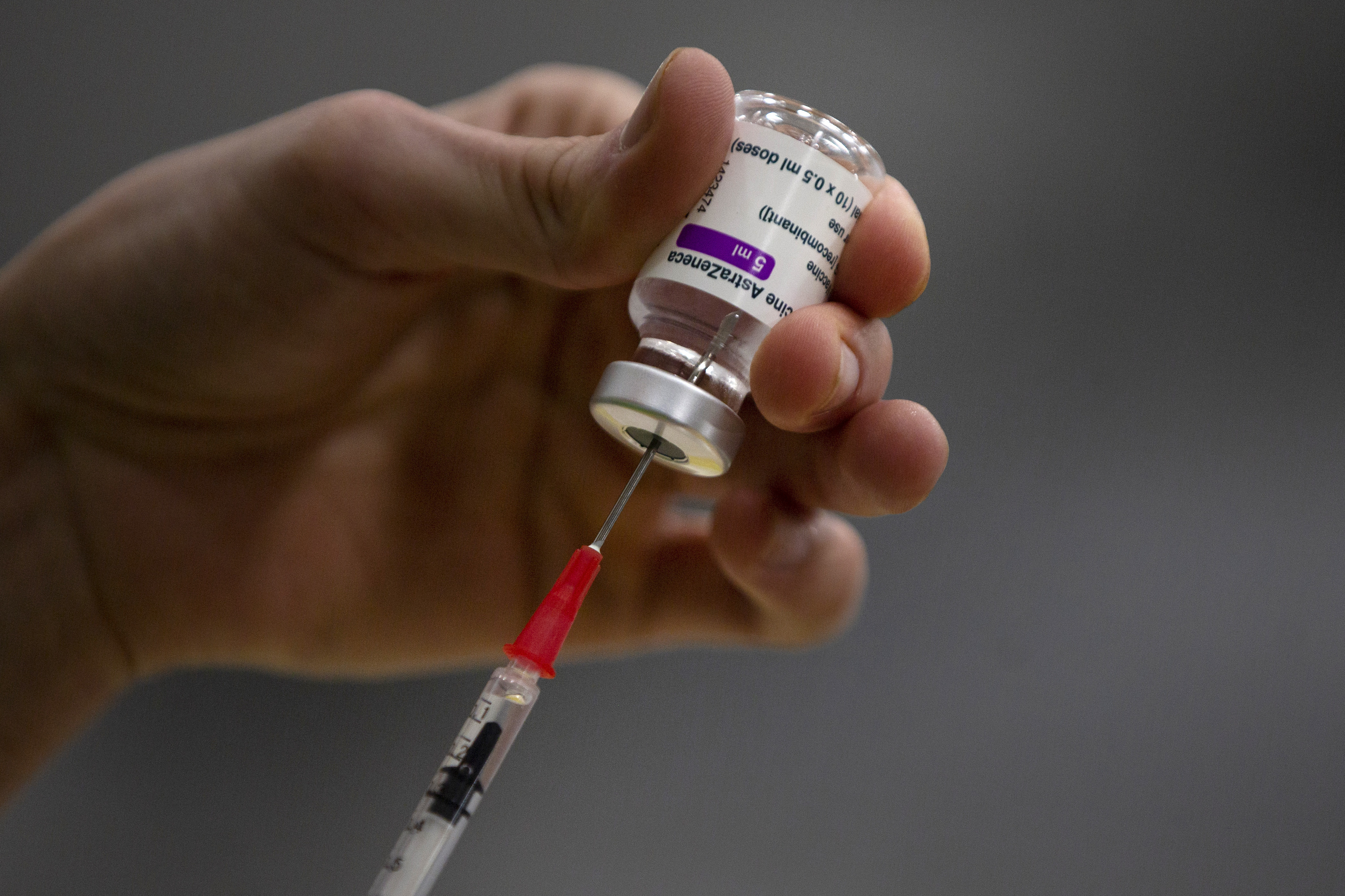
A significant breakthrough by Australian researchers may have finally identified the trigger behind the rare but serious blood clots associated with the AstraZeneca COVID-19 vaccine. This discovery, stemming from a new study by local scientists, offers crucial insights into the underlying mechanisms that led to devastating outcomes for a small number of individuals.
The AstraZeneca vaccine was a cornerstone of Australia’s initial vaccination rollout, alongside another primary jab. However, it was associated with an exceptionally infrequent adverse event: vaccine-induced immune thrombocytopenia and thrombosis (VITT). This condition manifested in approximately two to three individuals per 100,000 recipients, resulting in the formation of dangerous blood clots. While many experienced only mild symptoms and recovered swiftly, tragically, eight lives were lost in Australia due to this rare complication. A total of 173 confirmed or probable cases of VITT linked to the vaccine were officially recorded.

The Crucial Link: Immune System Misidentification
The pivotal finding from a research team led by scientists at Flinders University in Adelaide centres on a surprising misinterpretation by the human immune system. The study, published in the prestigious New England Journal of Medicine, reveals that in certain individuals, the immune system mistakenly identifies a harmless protein found within the adenovirus vector of the AstraZeneca vaccine. This adenovirus protein is confused with a crucial human protein called platelet factor four (PF4).
PF4 plays a vital role in blood clotting processes. When the immune system mistakenly targets PF4 due to this confusion with the viral protein, it triggers the production of antibodies. These antibodies then initiate a cascade of events leading to the formation of abnormal blood clots, which can have severe, and in the most tragic instances, fatal consequences.
Towards Safer Future Vaccines
The researchers believe that by establishing this critical link between the adenovirus protein and the body’s reaction to PF4, they have unlocked the door to developing future vaccines that can circumvent this rare side-effect. Dr. Jing Jing Wang from Flinders University explained the significance of the findings: “This was the missing link that explains how a normal immune response can, in very rare cases, become harmful. By modifying or removing this specific adenovirus protein, future vaccines can avoid this extremely rare reaction while continuing to provide strong protection against disease.”
This scientific advancement offers immense hope for enhancing vaccine safety profiles moving forward, ensuring that the benefits of immunisation continue to outweigh the risks, even for the rarest of adverse events.
Understanding the Symptoms and Government Response
The symptoms of VITT were distinct and often emerged several days to weeks after vaccination. These typically included severe headaches, blurred vision, or shortness of breath, occurring anywhere from four to 42 days following the first dose of the AstraZeneca vaccine.
In light of the identified risks, the Australian government implemented a precautionary measure, recommending that the AstraZeneca vaccine be administered only to individuals aged 60 and over. This decision was based on the understanding that younger individuals might have a greater propensity to mount a stronger antibody response, thereby increasing their risk of developing severe blood clots.
Despite this guideline, the realities of vaccine supply and the urgent need to achieve vaccination targets and ease lockdown restrictions meant that many Australians under 60 received at least one dose of the AstraZeneca vaccine. The Pfizer vaccine, during the pandemic’s peak, faced shortages, making AstraZeneca a necessary alternative for many to meet vaccination goals and facilitate the lifting of public health measures.
It is important to note that the AstraZeneca vaccine has not been available in Australia since 2023.