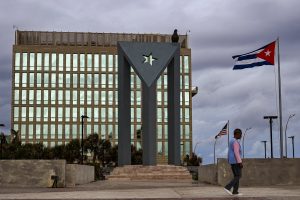
The Cuban government has refused a request from the U.S. embassy in Havana to import fuel, which is essential for keeping generators operational at the diplomatic mission. This decision comes as the country faces widespread power outages due to a severe oil shortage, exacerbated by policies implemented during the Trump administration.
Diplomatic communications obtained by The Washington Post revealed that the Cuban Ministry of Foreign Relations described the U.S. attempt to send two containers of fuel to the embassy as “bold” and “shameless.” According to a translation provided by The Washington Post, the ministry stated that it viewed the U.S. claim of access to fuel as an entitlement that was denied to the Cuban people.
Since January, the Trump administration has restricted Cuba’s access to subsidized oil from Venezuela, aiming to exert pressure on the island nation’s leadership to make political concessions. However, this move has resulted in a critical fuel shortage across Cuba, affecting transportation, waste collection, electricity generation, water pumping, and other essential services.
If the U.S. embassy in Havana runs out of fuel, it may be forced to withdraw nonessential staff as early as May, according to a warning issued by the embassy to the State Department. The Independent has sought a response from the State Department regarding this situation.
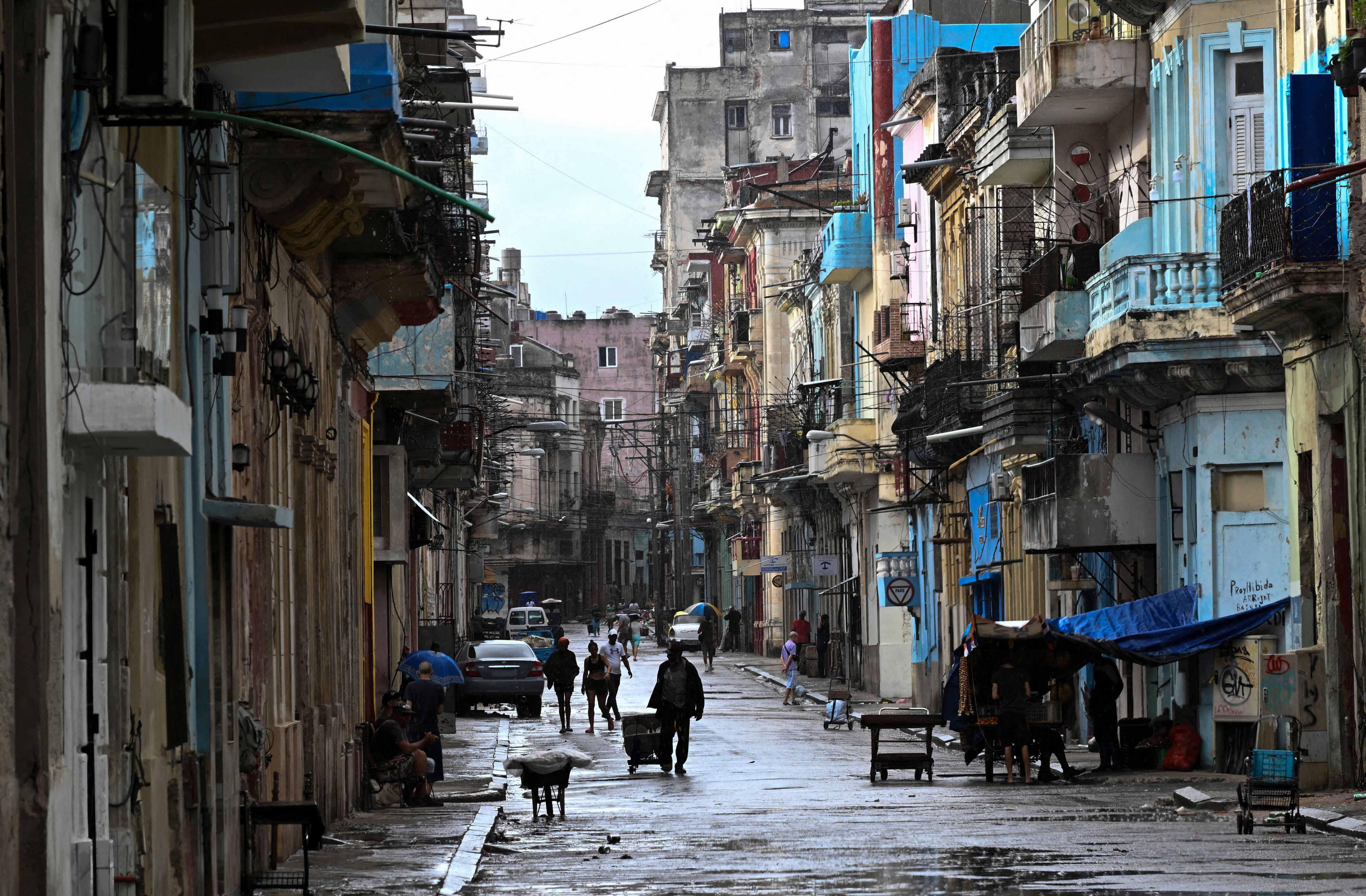
For months, Cuba has struggled to meet the energy needs of its over 11 million residents following the U.S. intervention in Venezuela, where the now-deposed leader, Nicolás Maduro, was detained and control over the country’s oil exports was assumed. This has led to significant disruptions in daily life, including hospitals canceling surgeries, schools reducing class hours, streets overflowing with trash, and challenges in accessing clean drinking water. The country has also experienced frequent, island-wide blackouts.
U.S. embassy staff in Havana have reportedly been advised to reduce their energy consumption by working remotely, combining living arrangements, and limiting generator use, according to a source who spoke to The Washington Post.
In its communication, the Cuban Ministry of Foreign Relations accused the U.S. of causing “the greatest possible harm to the Cuban economy, the well-being of the people, and their standard of living.” The U.S. has placed significant pressure on the Cuban government, led by President Miguel Díaz-Canel, to comply with the president’s demands for a new leadership, improved business opportunities with the U.S., and the release of political prisoners, among other conditions.
To achieve these goals, the U.S. has cut off Cuba’s access to oil from Venezuela and Mexico. Additionally, the U.S. has warned its allies that any country providing or selling oil to Cuba could face substantial tariffs.
Independent readers are characterized as independent-minded global citizens who are not defined by traditional demographics but by their attitudes. In a world that is becoming increasingly fragmented, communities value factual information and honest opinions delivered directly from a trusted, unbiased news source. Empowered by knowledge and inspiration, Independent readers are equipped to take a stand for their beliefs.