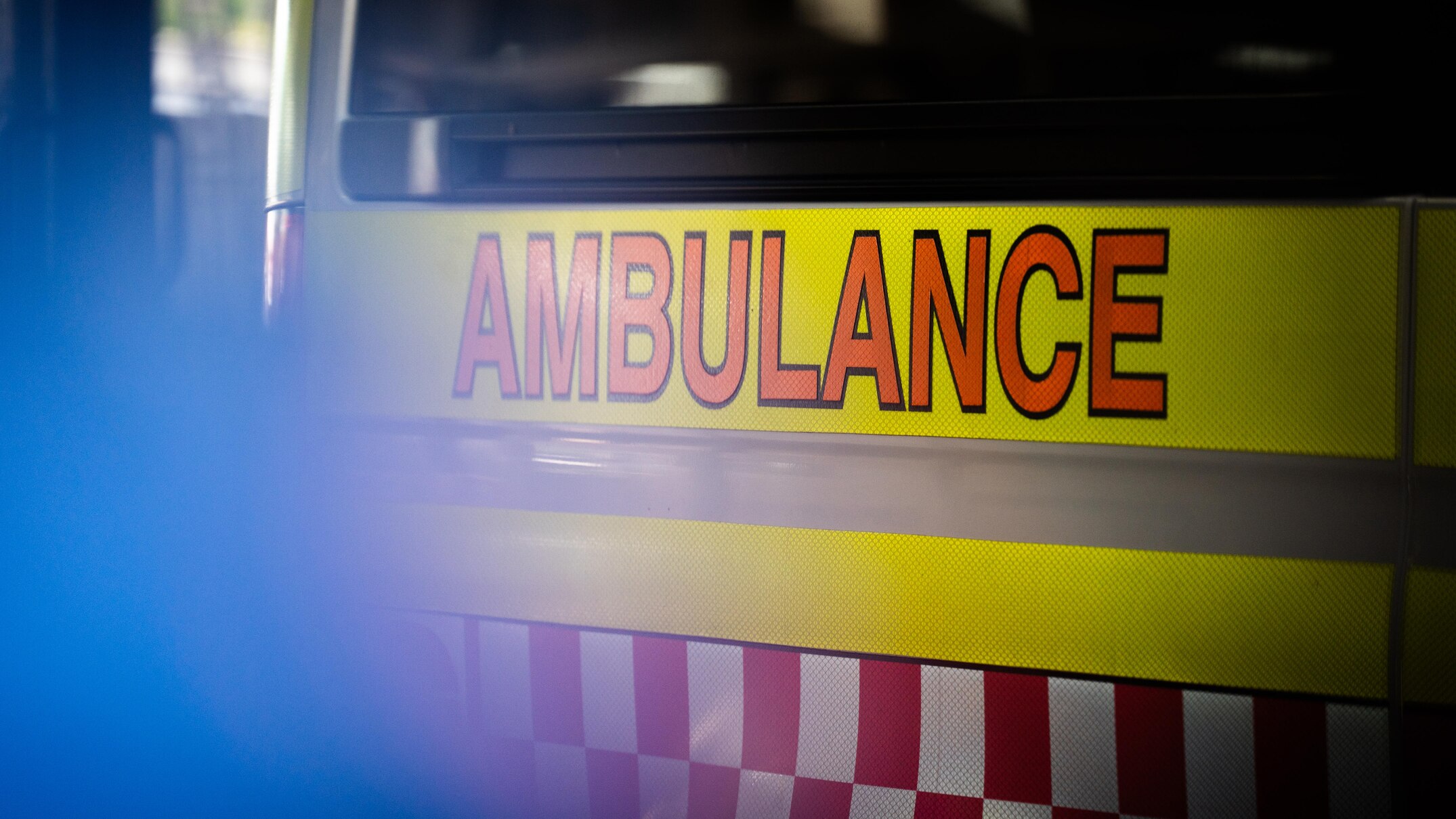
Darwin’s ambulance service experienced a “critical failure point” overnight, leaving dozens of urgent and life-threatening emergencies unattended. The Northern Territory branch of St John Ambulance reported that 61 Triple Zero (000) calls were abandoned during a single night, with 29 critical incidents facing significant delays, some stretching up to five hours.
Abigail Trewin, Chief Executive of St John Ambulance Northern Territory, described the situation as reaching “operational capacity white” for the first time shortly after midnight. This designation signifies a critical system failure where demand for services overwhelms all available resources and mitigation strategies. The implications of such a failure are severe, including a high likelihood of harm to patients and staff, and substantial risks to service continuity and the organisation’s reputation.
A Night of Unprecedented Strain
Between midnight and 7 am, the Darwin and Palmerston region received 144 Triple-Zero calls. Of these, a staggering 61 were “abandoned.” An abandoned call occurs when it cannot be answered within the standard 10-second timeframe, leading to its reversion to Telstra.
The impact on critical care was profound. Fourteen Priority One, life-threatening cases were unable to be attended to within the recommended 15-minute response time. In one harrowing instance, a patient waited over five hours for an ambulance. Compounding the crisis, fifteen Priority Two cases, which require a response within 30 minutes due to potential risk to life, also faced prolonged delays.
Patients Deteriorated While Waiting
While St John Ambulance confirmed that no deaths resulted directly from these delays, Ms. Trewin reported that the conditions of many patients significantly deteriorated during their extended waits.
“Police held the scene at one of those jobs last night until the ambulance could arrive, and that patient certainly deteriorated over the 35 minutes that they waited, and that’s just not okay,” she stated. She recounted a situation where a severely unwell individual stopped breathing during the waiting period, highlighting the critical nature of these emergencies and the vital role of timely ambulance intervention. “It’s not normal for that to happen, and you want an ambulance service to arrive to make a difference when it counts.”
The strain on resources extended beyond the call centre. Delays in offloading patients at Royal Darwin Hospital exceeded 60 minutes, and one ambulance crew reportedly operated for nearly 10 hours without a break. Ms. Trewin characterised the night as an “extraordinary event,” lamenting the inability to reach every call.
“We have five ambulances in Darwin and Palmerston, so when you receive that many calls and have that many priority one cases, it’s devastating for just the call centre to be able to stay on the line and talk someone through that emergency, but know that it’s going to take hours before an ambulance can arrive.”
In light of the overwhelming demand, Ms. Trewin urged Territorians to call Triple Zero only in genuine emergencies. “If they are well enough to see their doctor, to travel to the hospital, I’m asking that you make that decision to assist us at this time,” she implored.
She further explained that St John Ambulance NT has been experiencing a “growing demand” for its services over many months, placing “extreme challenges” on both crews and call centres. Under current funding and service agreements with the NT government, St John cannot “guarantee that we can meet the needs of loved ones.” This means “there may be delays and we may not be able to get to you when you need us most.”
‘Code Red’ in Alice Springs
The crisis was not confined to Darwin. In Alice Springs, where St John operates only two ambulances, a paramedic was assaulted by a patient and required treatment for injuries. This incident reduced the available crew to just one from just after 2 am, triggering a “code red” situation.
From 6 pm to 7 am in Alice Springs, 14 Priority One, life-threatening emergencies were left outstanding. Five of these occurred between 2 am and 7 am, with each patient waiting over an hour for an ambulance. Ms. Trewin noted that experiencing a “code red,” where resources are stretched to the absolute limit, is “almost a daily occurrence” for St John.
Government Response
NT Health Minister Steve Edgington acknowledged the situation, stating the government’s commitment to addressing the “growing demand and providing long-term certainty in our ambulance contracts.” He indicated that “additional resources and support staff have been provided to St John to address the current pressure” and has directed NT Health to collaborate with the ambulance service across the entire health system.