
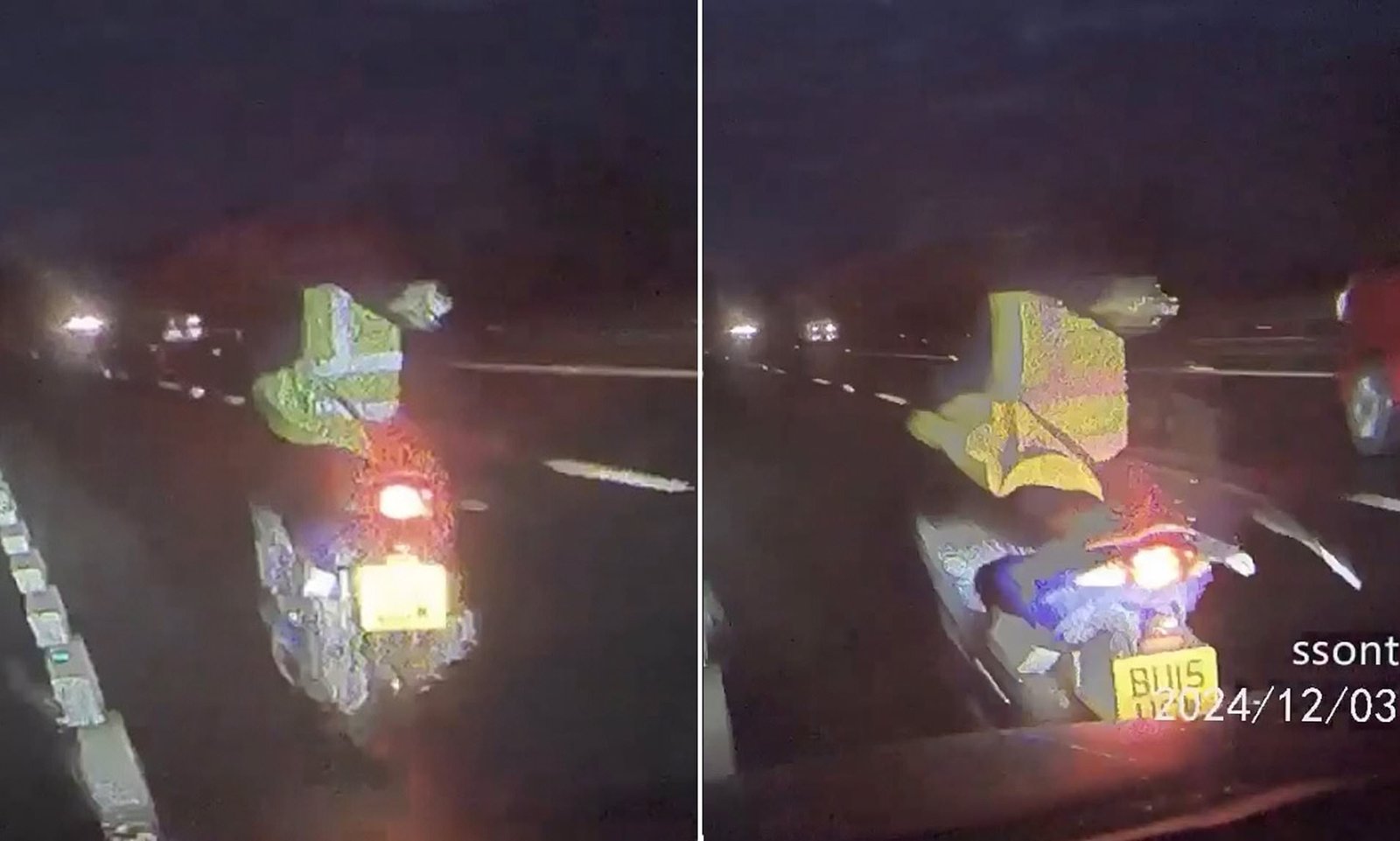
Teacher’s Appeal Succeeds: Suspended Sentence Replaced by Fine After Moped Collision
A high-stakes appeal has resulted in a significant alteration to the sentence handed down to a teacher who collided with a moped rider, causing serious injuries. Demi Lewis, 28, a teacher, was initially given a suspended prison sentence and a driving ban after the incident that occurred in December 2024. However, following a successful appeal, her penalty has been reduced to a substantial fine, with her exemplary character playing a key role in the court’s decision.
The incident unfolded on the A55 dual carriageway in Broughton, Wales, around 7am as Lewis was reportedly rushing to her first lesson of the day. Her vehicle collided with a moped rider, Peter Riley, who was described as being “clearly visible” and wearing a hi-viz vest. The impact was severe enough to knock Mr. Riley from his bike and send him into the path of oncoming traffic in an adjacent lane.
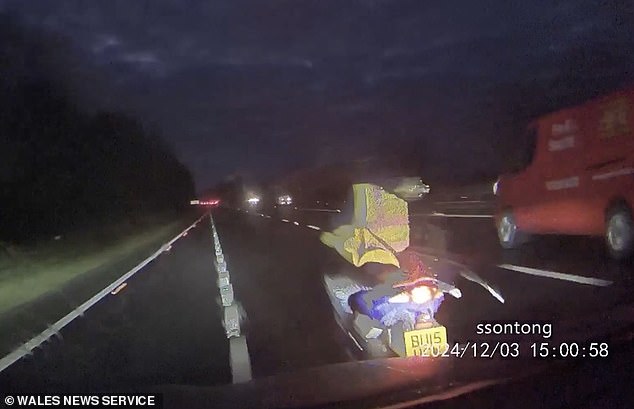
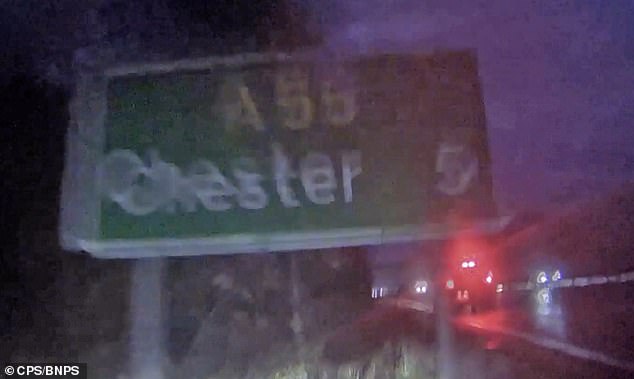
Dashcam footage from Lewis’s own vehicle captured the moment of impact. The video shows Lewis merging onto the dual carriageway and directly striking the moped. The force of the collision propelled Mr. Riley off his motorcycle. Lewis subsequently lost control of her car, veering off the road onto the grass verge. Her vehicle then continued its trajectory, ultimately crashing into a road sign that directed drivers towards the city of Chester.
The consequences for Mr. Riley were dire. He sustained severe injuries, including bleeds on both sides of his brain, three broken ribs, a fractured nose, and a fracture at the base of his spine. The severity of his injuries underscored the seriousness of the collision.
At an earlier hearing in August at Mold Crown Court, Lewis was sentenced to a 16-week prison term, suspended for 12 months, and a 12-month driving ban. However, she subsequently appealed this sentence.
A Shift in Judicial Perspective: The Appeal and New Sentencing
During the appeal hearing, the presiding judge, Simon Mills, acknowledged that Mr. Riley had indeed suffered very serious injuries, making it clear that the court did not downplay the gravity of his harm. However, Judge Mills also noted Lewis’s “previous exemplary character.” This aspect appears to have been a crucial factor in the revised sentencing.
The original prosecution, represented by Joseph Lees, had argued that Mr. Riley was wearing a hi-vis jacket that was illuminated by Lewis’s car headlights. Lees emphasised that while Mr. Riley might have been travelling at a slower speed, Lewis had a duty to yield and make way for him when joining the carriageway, rather than expecting him to move aside.
Representing Lewis, barrister Darren Finnegan, had argued that Mr. Riley was travelling “significantly slower than the ambient traffic.” He further stated that Lewis had “inadvertently, inexplicably did not see him.”
In granting Lewis’s appeal and handing down the new sentence, Judge Mills remarked that this was the “sort of offence that an ordinary, decent, honest citizen – as this appellant is – can find themselves facing justice for.” This statement suggests a recognition of the accidental nature of the collision, despite the severe outcome, and a consideration of Lewis’s character as a contributing factor to the revised penalty.
The outcome of the appeal means Lewis has been fined £287. While the driving ban was initially imposed, further details on its current status were not provided in the original text, but the focus of the appeal was on the custodial sentence. This case highlights the complex interplay of factors considered by the courts, including the severity of injuries, the defendant’s actions, and their personal background, when determining appropriate justice.

