
EU Sweetens Deal for Farmers to Finalize Mercosur Accord
The European Commission is intensifying its efforts to secure the signature of the Mercosur trade deal with Latin America, offering a series of concessions to European farmers. These measures, ranging from financial incentives to regulatory easing, are designed to address the concerns of key member states, notably Italy and France, which have presented a list of demands before committing to the agreement.
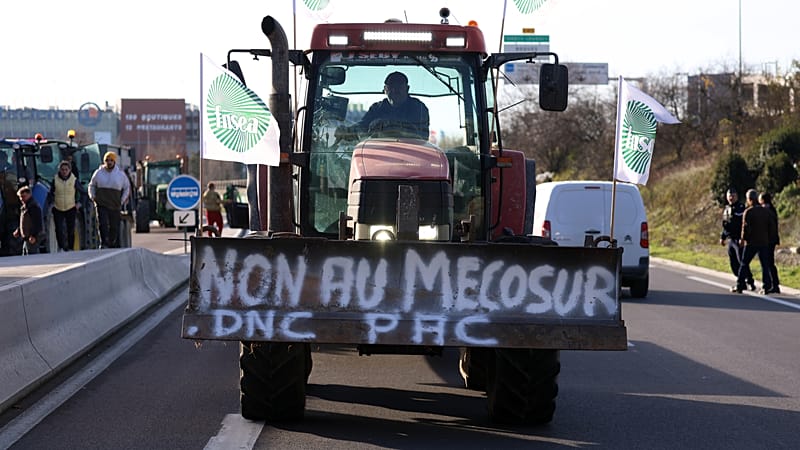
While Italy has signaled its readiness to sign the deal imminently, France continues to adopt a cautious stance, particularly in light of planned farmer protests. These concessions underscore the European Union’s commitment to integrating agricultural interests into its broader trade policy.
Key Concessions Announced for European Farmers:
- Suspension of EU Carbon Border Tax on Fertilisers: In a significant move, the European Commission agreed to suspend the EU carbon border tax on fertilisers retroactively, effective from January 1st. This decision directly addresses demands from Italy and France, as well as broader requests from farmers who argued that the tax would place them at a competitive disadvantage due to increased production costs.
- Early Access to Common Agricultural Policy (CAP) Funds: Following Italian demands, the Commission also committed to unlocking early funding for farmers. A letter from Commission President Ursula von der Leyen promised farmers access to €45 billion from the Common Agricultural Policy (CAP) budget, with funds potentially available as soon as 2028. Italy’s Agriculture Minister, Francesco Lollobrigida, highlighted that this translates to more resources for the agricultural sector in the upcoming seven-year budget cycle compared to the current one.
EU Trade Commissioner Maroš Šefčovič emphasized the centrality of farmers’ concerns within the EU’s trade policy, stating, “Farmers concerns are not an afterthought in our trade policy. They are central” to Europe’s economic and social fabric.
French and Italian officials have expressed apprehension regarding the potential impact of the new taxes on their agricultural sectors. They anticipate a “significant increase” in the cost of imported fertilisers into the EU, with estimates suggesting a price hike of around 25%.
Italy’s Crucial Role in Sealing the Mercosur Deal
The recent decisions by the European Commission appear to have persuaded Italy to back the Mercosur trade deal. Rome’s position is considered pivotal, as the agreement requires a qualified majority of member states for approval. A delay requested by Italian Prime Minister Giorgia Meloni in December had previously derailed the anticipated signing at the end of last year.
Minister Lollobrigida indicated on Wednesday, prior to a meeting with his fellow Agriculture Ministers, that the current conditions are now deemed adequate. “If the Commission certifies its commitments, Italy will support the deal,” he told reporters. This development could pave the way for the deal’s signature, with countries like Germany and Spain reportedly seeking to formalize it through legally binding mechanisms as early as this month.
France Remains the Primary Holdout
Despite Italy signaling its agreement, France remains the most significant obstacle to finalizing the Mercosur deal. Even as the Commission actively pursues the agreement’s finalization, diplomats acknowledge that it cannot be imposed on the French government without a political narrative that would enable them to endorse it.
The French government, led by President Emmanuel Macron, is currently grappling with a severe agricultural crisis. This situation could be exacerbated by protests scheduled in Paris on Thursday, coinciding with deliberations by the EU’s Cyprus presidency regarding a potential vote on the deal in Brussels on Friday.
In a further effort to placate its farming sector, France has also suspended imports of agricultural products that contain residues of pesticides banned within the European Union. This measure, however, still requires the European Commission’s approval. The ongoing negotiations and concessions highlight the delicate balance the EU is attempting to strike between fostering international trade and safeguarding the interests of its domestic agricultural producers. The success of the Mercosur deal now hinges on navigating these complex political and economic considerations.


