
Former Top Doctor Slams Trump’s Surgeon General Pick, Citing Crucial Lapses
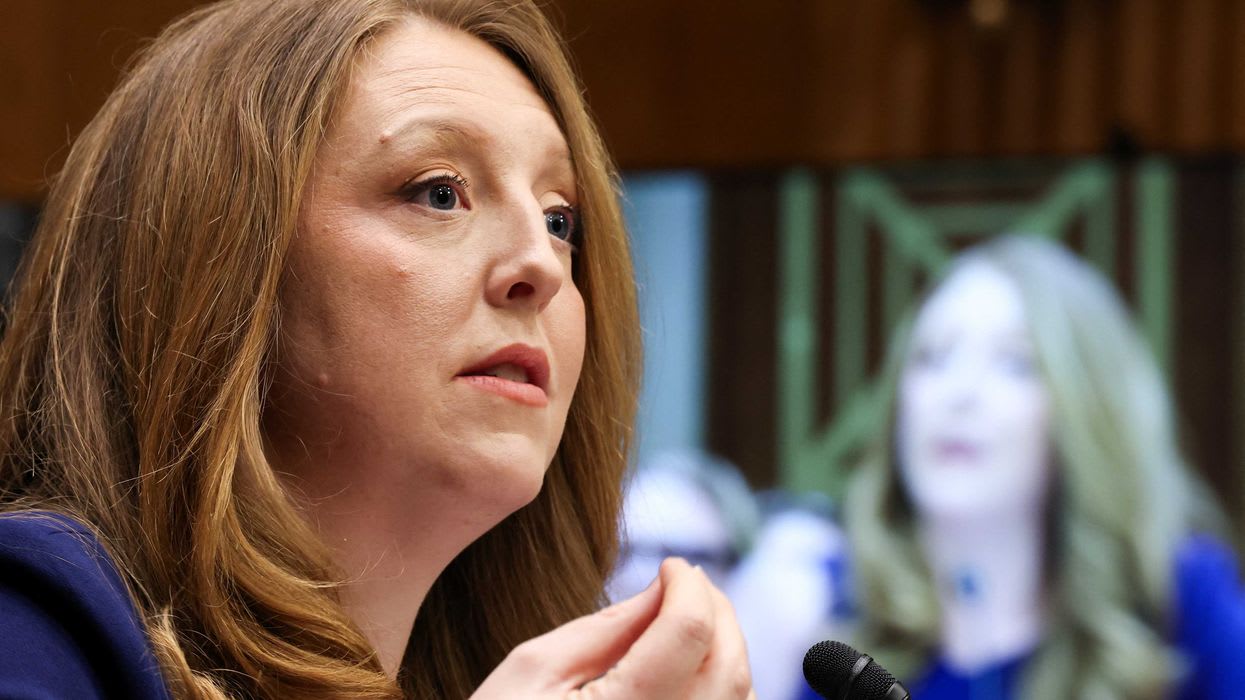
The nomination of Casey Means to serve as the United States Surgeon General is facing significant headwinds, with a notable and damaging blow coming from a former holder of the very office she seeks. Dr. Jerome Adams, who served as Surgeon General under the previous administration, has publicly declared that Means is fundamentally unqualified for the demanding role, a stance that carries considerable weight within the medical and public health communities. His intervention marks a critical moment, as no past Surgeon General has previously stepped forward to publicly oppose a nominee.
According to reports, Dr. Adams has been unequivocal in his assessment, highlighting a perceived lack of necessary credentials and actively advocating against Means’s confirmation. This opposition is particularly concerning given the extended delay in her Senate confirmation, which has now stretched for nearly eleven months. The nomination has been stalled due to serious reservations expressed by several Republican senators. These concerns primarily revolve around Means’s past scepticism towards vaccines, her perceived antagonism towards the established medical community, and the current inactive status of her medical license. Many lawmakers have voiced frustration with the broader vaccine policy agenda championed by Health and Human Services Secretary Robert F. Kennedy Jr., and are consequently hesitant to endorse another individual seen as an ideological ally.
A Structural Deficiency in Qualifications
Dr. Adams has framed his opposition not as a personal attack, but rather as a critique rooted in the structural requirements and historical precedent of the Surgeon General’s office. His assessment, however, remains scathing. “The role of surgeon general has centuries of precedent and requirements, and she doesn’t meet them,” Adams stated in a recent interview.
A particularly stark point of contention is the reality that if confirmed, Means would not be appointed as a physician within the Public Health Commissioned Corps, a vital force comprising 6,000 government health workers. Instead, she would be placed in a different category designated for health-service workers. Adams underscored the profound irony of this situation: “The nation’s doctor wouldn’t even be in the corps as a doctor.”
This structural issue stems from Means’s career path. She reportedly abandoned her surgical residency in its final year. Subsequently, she shifted away from mainstream medical practices, embracing “functional medicine.” This alternative approach prioritises lifestyle interventions as a primary means of addressing health concerns, differing significantly from conventional medical treatment paradigms.
Defence and Counter-Criticism
In her defence, Means has pointed to her credentials, including her role as co-founder of a health technology company, her extensive speaking engagements on the topic of chronic diseases, and her best-selling book, “Good Energy.” This book has reportedly become a central text for Robert F. Kennedy Jr.’s “Make America Healthy Again” movement. Regarding her inactive Oregon medical license, Means explained that it was placed in this status because “she was not seeing patients over the past several years.”
When confronted with criticism from former Surgeons General, Means adopted a combative stance. She retorted, “Notably, under the tenures of our recent past Surgeon Generals, America’s health and lifespans have worsened.” This deflection strategy sidesteps the core issue of her own qualifications for the role.
However, Dr. Adams’s public intervention suggests a broader sentiment within the professional medical community. Her nomination is increasingly viewed as a genuine threat to the credibility and fundamental mission of the Surgeon General’s office. The concerns raised extend beyond individual policy disagreements, touching upon the core competency and suitability for a position of such national importance.


