Australians are being urged to remain calm and avoid panic buying as escalating global tensions, particularly in the Middle East, begin to impact fuel prices across the nation. The ongoing conflict, now in its tenth day, has disrupted key shipping routes, including the Strait of Hormuz, a vital artery for global trade. This disruption is directly contributing to increased fuel costs in major Australian cities.
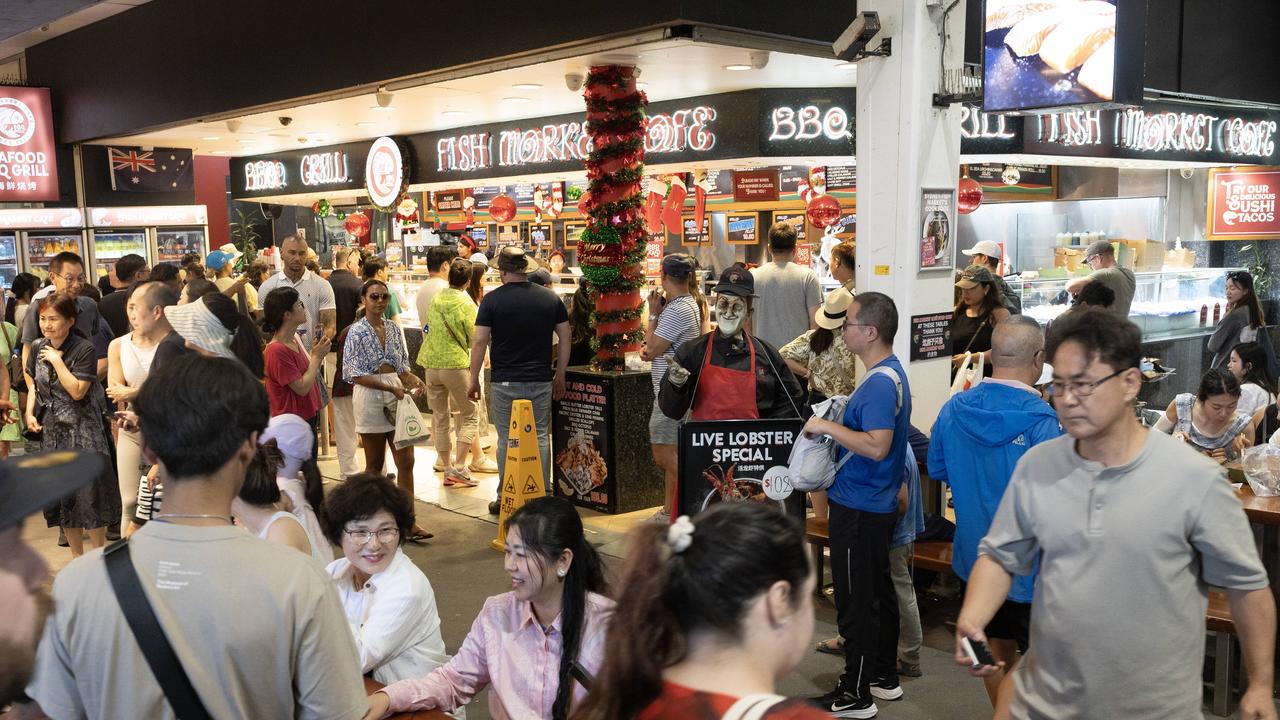
Transport Minister Catherine King acknowledged the economic pressures facing Australians, stating, “We obviously are acutely aware, in a cost of living crisis, that people are struggling with a range of things. Fuel may be one of those.” When questioned about potential food shortages, Ms. King assured the public that the federal government is closely monitoring the situation. “Really, the message is people shouldn’t be panicked and shouldn’t panic into panic buying fuel, into panic buying food too,” she emphasised.
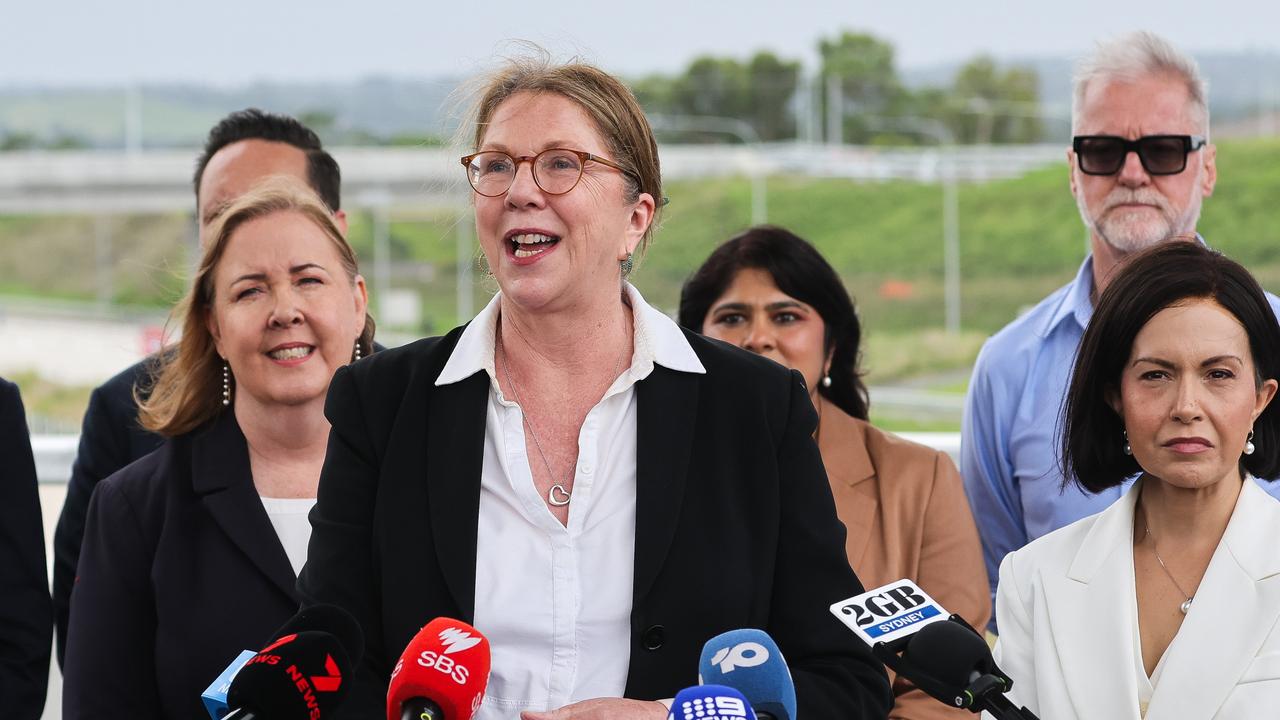
The Albanese government has moved to allay consumer fears regarding fuel availability, asserting that current fuel stocks are sufficient and exceed mandatory minimum levels. This stance comes amidst criticism from the Coalition regarding the nation’s fuel security. Ms. King indicated she would investigate reports of supply disruptions affecting Queensland fuel distributors and farmers, stating, “We are much more resilient than we were in previous years when it comes to fuel security.” She added, “I’ll look into the issue in terms of what’s happened in Queensland specifically – I’m not aware of particular issues.” In parallel, Treasurer Jim Chalmers has written to the Australian Competition and Consumer Commission (ACCC) to address concerns about potential fuel price gouging.
Regional Fuel Access Under Scrutiny
Concerns are mounting over fuel accessibility in Australia’s regional communities. Opposition agriculture spokesman for Western Australia, Lachlan Hunter, has highlighted a growing diesel shortage that he claims is already halting farming operations. Farmers across regional WA have reported a cessation of diesel deliveries, with some facing potential delays of up to six weeks. Mr. Hunter stated, “I have spoken directly with farmers who have been told there is simply no diesel available and that deliveries could be delayed for weeks.”
Nationals leader David Littleproud echoed these concerns, warning that small wholesalers and farmers are experiencing supply constraints from the major oil companies. He explained, “What that’s doing is literally meaning that our farmers who are producing our food and fibre have literally got only what’s left in the tanks of their tractors and nothing in storage to be able to run it of any great length of time.” Mr. Littleproud urged the ACCC to investigate the wholesale market and reiterated the call for the public not to panic. “The suppliers are there. It just needs some leadership in how we actually manage that and get back to some normality to keep that continuity of supply, through the supply chain, not just the people in the cities to get to and from work, but for your food to be produced,” he commented.
A spokesperson for Transport for NSW confirmed that Australia’s fuel supply is “currently secure” and that they are “working with the commonwealth to monitor the global situation as is appropriate.”
Fears of Fuel Rationing
Opposition energy and industry spokesmen, Dan Tehan and Andrew Hastie, have voiced significant concerns about Australia’s fuel reserves. They have warned that the nation is at risk of returning to a state of rationing, reminiscent of the 1940s during World War II. They stated, “The Minister for Climate Change and Energy, Chris Bowen, must reassure Australians that the Government has a strategy in place to ensure there are adequate fuel supplies for our nation.” The MPs added, “Reports that fuel wholesalers have commenced rationing petrol and diesel supplies across Australia are deeply concerning.”
The statement underscored the critical reliance on diesel for essential services, noting, “The statement noted Australia was ‘a diesel economy’.” They elaborated, “Without fuel, trucks carrying our food, pharmaceuticals and supplies stop, making us vulnerable.” The opposition recalled the former Coalition government’s introduction of the Petroleum and Other Fuels Reporting Act, a mandatory regime designed to monitor fuel security. They urged Mr. Bowen to utilise his powers under this Act to identify customers at risk of shortages, particularly farmers, manufacturers, and the transport industry, to ensure supply gaps are addressed as a priority.
This developing situation highlights the interconnectedness of global events and their direct impact on the Australian economy and daily lives. While the government assures the public of adequate supplies, concerns from regional areas and opposition parties underscore the importance of continued vigilance and proactive management of fuel security. The call for calm from authorities is a crucial message as Australians navigate these challenging times, emphasising that sensible consumption and avoiding unnecessary panic are key to maintaining stability within the supply chain.