
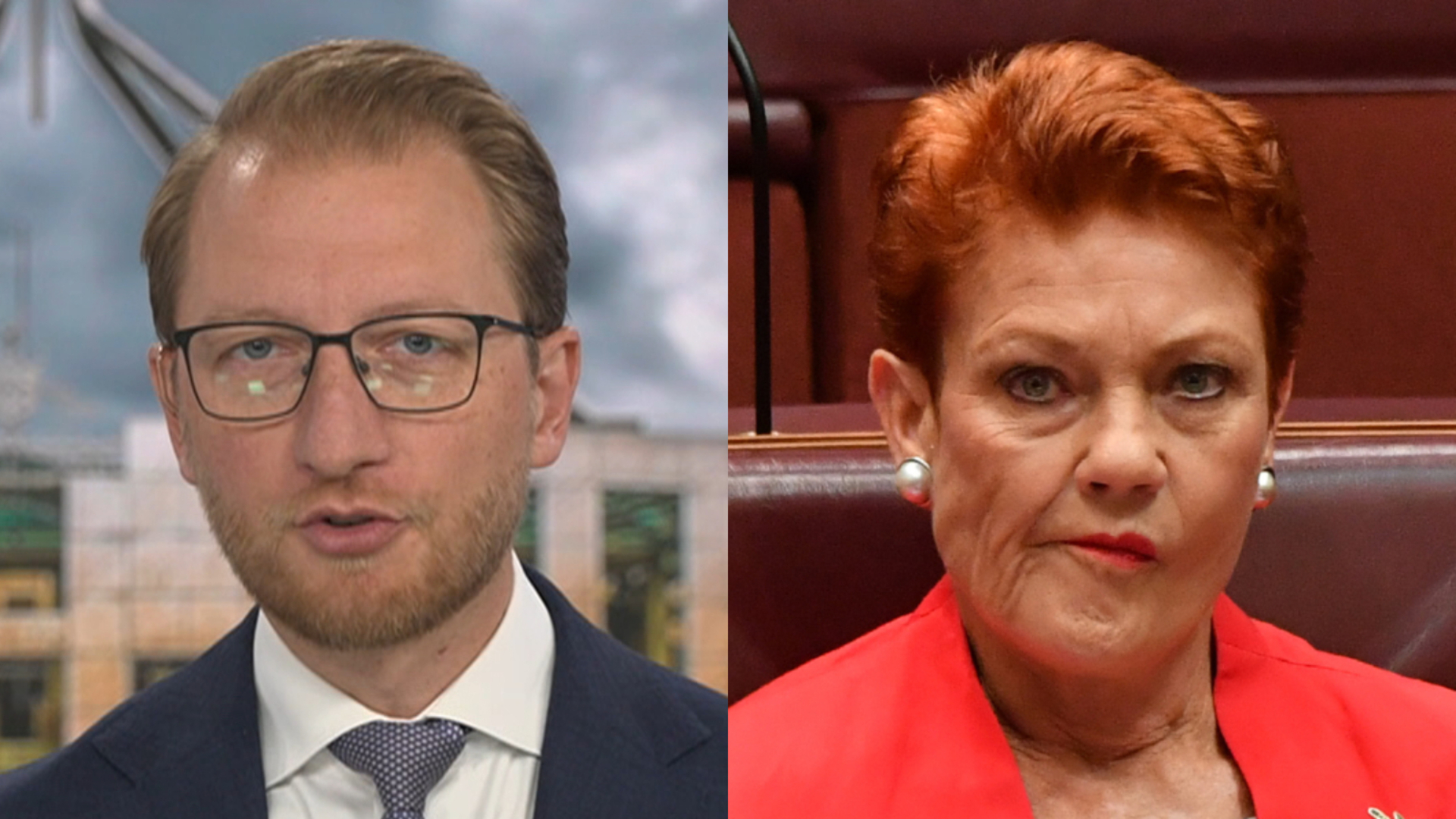
Senator Hanson’s Senate Estimates Attendance Record Under Scrutiny
The commitment of One Nation Leader, Senator Pauline Hanson, to her parliamentary duties has been called into question, with her attendance record at Senate estimates hearings revealing a significant shortfall. Shadow Defence Minister, James Paterson, has publicly expressed his disappointment, stating that Senator Hanson’s lack of presence at these crucial oversight sessions “reflects very badly on her and her commitment to the job.”
Mr Paterson highlighted statistics that emerged this week, indicating that Senator Hanson has attended a mere 12 per cent of Senate estimates hearings over the past decade. This means she has been absent from an overwhelming 88 per cent of these vital parliamentary proceedings. Speaking to Sky News Australia, Mr Paterson elaborated on the significance of these hearings.
The Importance of Senate Estimates
“She’s paid very well to turn up and ask questions on behalf of her constituents,” Mr Paterson stated, underscoring the fundamental responsibility of elected officials to represent those who voted for them. He further emphasised that for an opposition or crossbench Senator, Senate estimates represent a prime opportunity to conduct impactful work.
These hearings are a cornerstone of parliamentary accountability in Australia. They provide a forum where Senators and Members of Parliament can question government departments and agencies on their expenditure, performance, and policy implementation. It’s a critical mechanism for ensuring transparency and holding the executive government to account. For elected representatives, particularly those not part of the government, these sessions are an invaluable tool for scrutinising government actions, uncovering potential inefficiencies or wrongdoing, and advocating for the concerns of their constituents.
Accountability and Public Trust
Mr Paterson’s critique centres on the apparent disconnect between Senator Hanson’s remuneration and her engagement with these essential parliamentary duties. “For her to not bother showing up while still taking a salary, for that I think it reflects very badly on her and her commitment to her job,” he asserted.
The expectation of elected officials is that they will diligently perform their duties, which include actively participating in parliamentary sittings and committee work. Senate estimates, in particular, require preparation, engagement, and the ability to ask probing questions that can shed light on complex government operations. A consistently low attendance record at such a significant forum raises concerns about whether constituents are receiving the representation they deserve.
The issue of parliamentary attendance is not merely a procedural matter; it speaks to the broader principles of public service and accountability. When elected representatives are absent from key oversight mechanisms, it can erode public trust and diminish the effectiveness of parliamentary democracy. The scrutiny provided by Senate estimates is designed to benefit all Australians by ensuring that public funds are managed responsibly and that government bodies operate effectively and ethically.
Senator Hanson’s attendance record, as highlighted by Mr Paterson, presents a concerning picture. While individual Senators may have various reasons for occasional absences, a decade-long pattern of such low engagement at Senate estimates warrants serious consideration by her constituents and the broader political community. The role of a Senator is multifaceted, but active participation in parliamentary oversight functions like estimates is a non-negotiable aspect of the job. The public rightly expects their representatives to be present, informed, and engaged in holding the government to account, especially when those representatives are compensated for their service.


