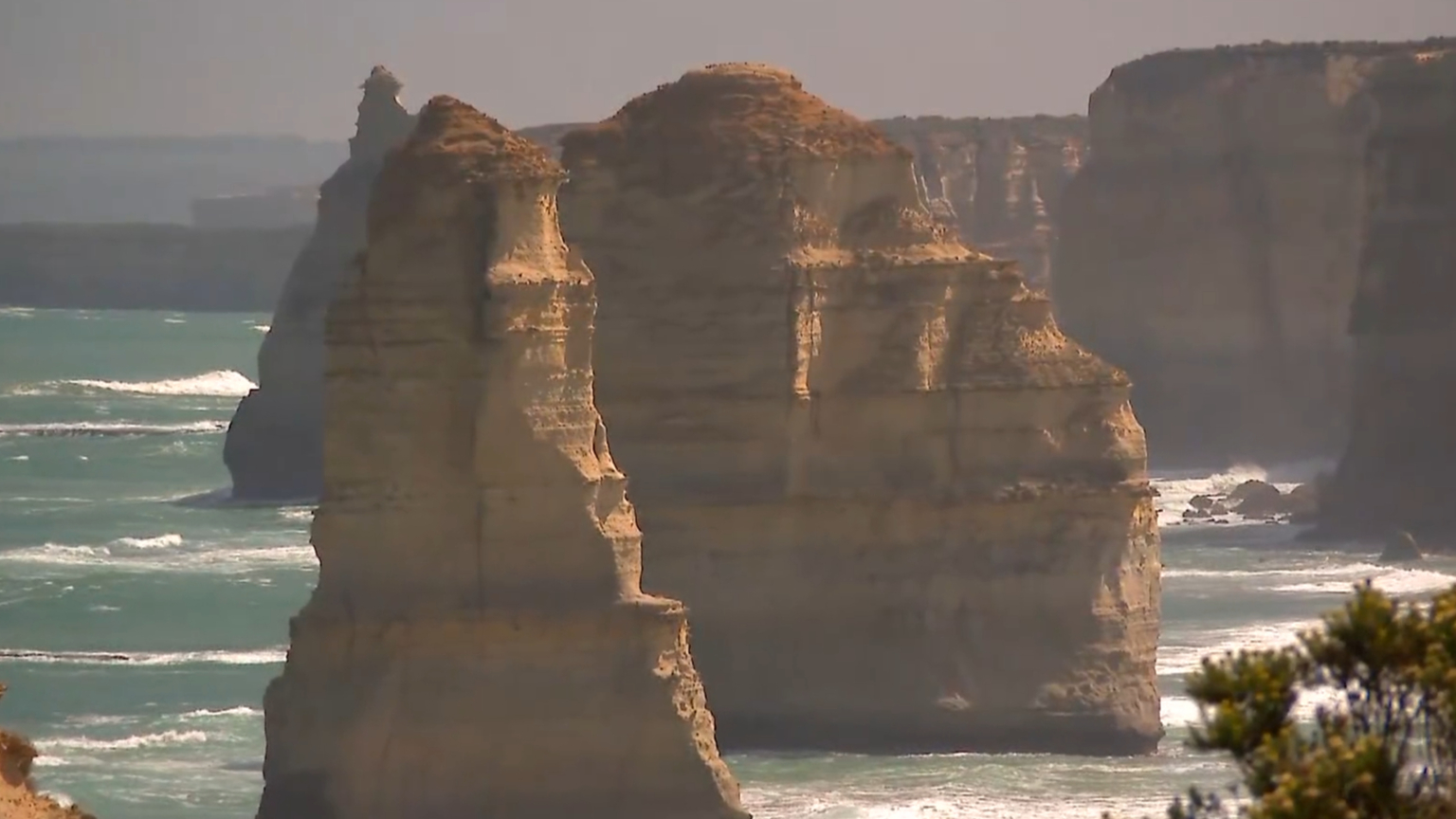
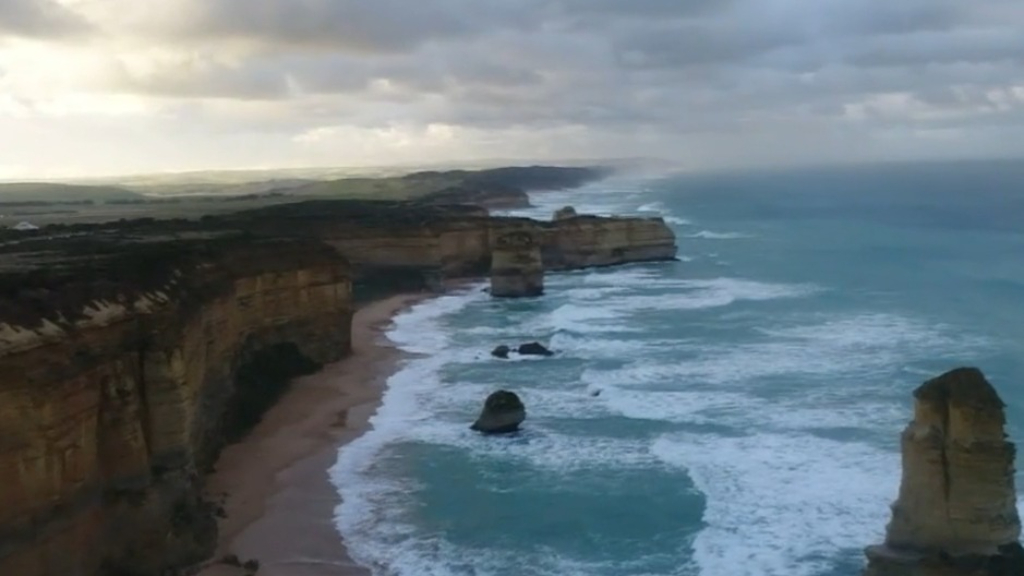
Travellers planning a pilgrimage to Victoria’s famed Twelve Apostles along the Great Ocean Road might soon find their wallets a little lighter. The Victorian government is set to introduce a new visitor fee at the iconic natural landmark, a move aimed at bolstering its preservation and upkeep. This landmark, which draws approximately two million sightseers annually, is facing the prospect of a user-pays system. It’s worth noting that of the original twelve towering limestone stacks that gave the site its name, only seven now stand sentinel against the relentless Southern Ocean.
A New Era for the Twelve Apostles Visitor Experience
The impending introduction of this fee coincides with the upcoming launch of the $126 million Twelve Apostles Visitor Experience Centre, slated to open its doors by the end of the year. Both Australian and international visitors will be required to pay an entry charge to access this state-of-the-art facility.
Environment Minister Steve Dimopoulos has articulated the rationale behind this decision, stating, “It’s only fair that visitors to the region pay a small fee to visit this world-class destination so that we can maintain it for future generations. We’re investing in the future of the Great Ocean Road region and making sure every single cent spent in the region stays there.”
Beyond the entry fee, the new centre will also implement a visitor booking system. This system is designed to effectively manage visitor numbers and streamline parking arrangements, particularly during periods of high demand.
Fee Structure and Consultation
While the exact price of entry has yet to be finalised, it will be determined through collaborative discussions involving local councils, businesses, and the traditional custodians of the land.
Andrew Jeffers, Chairman of Great Ocean Road Regional Tourism, has acknowledged the public’s sentiment regarding new charges. “No one likes being charged for something that was free in the past,” he admitted. However, he clarified that “this is a fee for the visitor centre that’s being proposed. It doesn’t limit their access to other parts of the Great Ocean Road. There’s no fee being proposed for that.”
Where the Revenue Goes
The collected revenue will be managed by the Great Ocean Road Parks and Coastal Authority. This funding is earmarked for a range of critical initiatives, including:
- Enhancing beach access points.
- Upgrading visitor facilities throughout the region.
- Ensuring the ongoing maintenance of historic landmarks, including the Twelve Apostles themselves.
- Contributing to the upkeep and operational costs of the newly constructed visitor centre.
Exemptions and Precedents
Recognising the importance of local inclusion and cultural heritage, a select group of Australians will be exempt from the new fee. Local residents will not be required to pay, nor will members of the Eastern Maar community, the traditional owners of the south-western Victorian region.
This move by the Victorian government is not an isolated incident in Australia. Several other prominent natural attractions have already implemented similar “tourist tax” or park entry fee systems. These include:
Kosciuszko National Park, New South Wales:
Park fees here can vary, starting from $29 per vehicle per day during the busy winter season. Outside of peak winter months, the daily vehicle fee is typically $17.Uluru-Kata Tjuta National Park, Northern Territory:
Visitors to this spiritually significant site can purchase a three-day park pass for $38.
The introduction of a fee at the Twelve Apostles signifies a growing trend towards sustainable tourism management, ensuring that Australia’s most beloved natural wonders can be enjoyed by generations to come, while also supporting their ongoing preservation. The focus on reinvesting the revenue directly back into the region underscores a commitment to both environmental stewardship and the economic well-being of the Great Ocean Road communities.