

Iranian Women’s Footballers Reverse Asylum Bids, Return Home
In a surprising turn of events, three members of Iran’s women’s national football team who had sought asylum in Australia have decided to return to their home country. This development leaves only three of the original seven players who initially claimed asylum remaining in Australia.
Home Affairs Minister Tony Burke confirmed the players’ decision on Sunday morning, stating that they had informed Australian officials of their change of heart and no longer wished to remain in Australia. “Overnight, three members of the Iranian Women’s Football Team made the decision to join the rest of the team on their journey back to Iran,” Mr. Burke stated. He added that Australian officials had provided the players with multiple opportunities to discuss their options after they communicated their decision.
The Iranian Sports Ministry publicly welcomed the players’ return, with statements echoing those made by the Tasnim News Agency, an outlet linked to the Islamic Revolutionary Guard Corps, which first reported the news. The Ministry asserted that the “national spirit and patriotism of the Iranian women’s national football team defeated the enemy’s plans against this team,” and accused the Australian government of aligning with “Trump’s field.” Tasnim reported that the three players were en route to Kuala Lumpur, Malaysia, to reunite with the rest of their squad before their final return to Iran. The agency also claimed the athletes were returning to the “warm embrace of their families and homeland” after withdrawing their asylum applications, insisting they had resisted “psychological warfare, extensive propaganda and seductive offers” while in Australia.
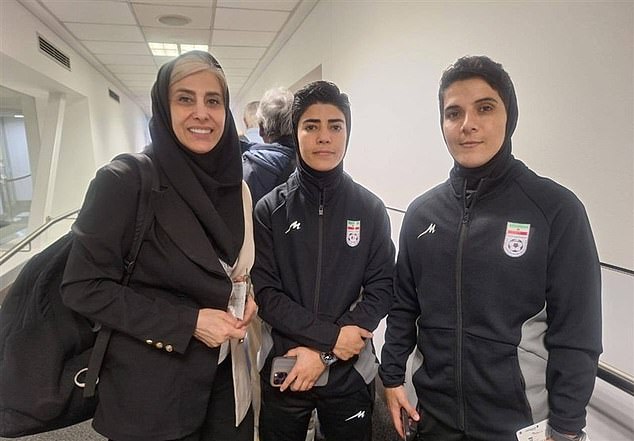
This abrupt reversal follows a similar incident earlier in the week, where one player contacted the Iranian embassy and announced her intention to return home. Of the seven players who initially sought asylum after participating in the Asian Cup held in Australia, only three now remain in the country.
According to Iranian diaspora human rights activists, the three players who have withdrawn their asylum applications have been identified as Zahra Soltan Meshkehkar, Mona Hamoudi, and Zahra Sarbali. Ms. Hamoudi and Ms. Sarbali were notably part of a dramatic escape from a Gold Coast hotel the previous Monday. They reportedly slipped away from team minders and were subsequently taken to a safe house by the Australian Federal Police, an event initially perceived as a significant bid for freedom. Zahra Soltan Meshkehkar, who is part of the team’s technical staff, joined them the following day, also seeking asylum. Another player, Mohaddeseh Zolfi, also requested asylum but reportedly reversed her decision within hours of being granted the right to stay and is believed to have already rejoined the squad.
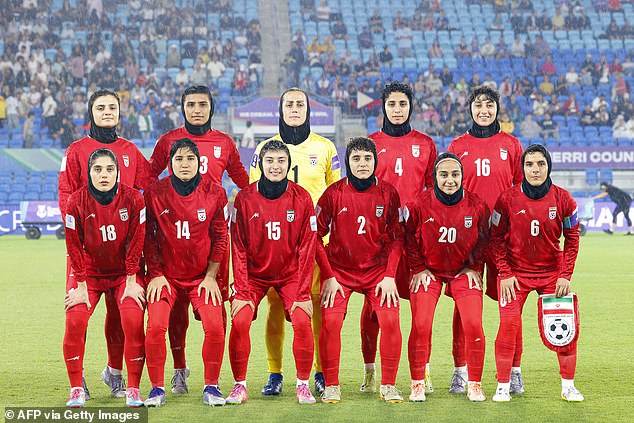
The situation has drawn strong reactions, with some commentators on Iranian state television labelling the players “wartime traitors” and calling for severe punishment. Activists have voiced concerns that the players who have chosen to return to Iran may face reprisals upon their arrival. This is despite assurances from officials in Tehran that the women will be received “with peace and confidence.”
During a brief interaction with protesters in Malaysia, one member of the squad attempted to allay fears, stating that their return was voluntary. She claimed that Iranian officials had promised they would be treated “like princesses” upon their homecoming.
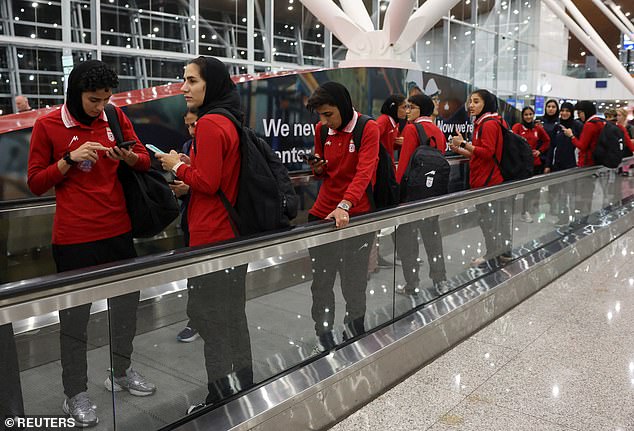
The initial asylum bids by the players highlighted growing concerns about the rights and treatment of women in Iran, particularly in the context of sports. The national women’s football team, like other female sporting teams, has faced challenges related to funding, infrastructure, and societal restrictions. While the reasons behind the players’ decision to return are complex and likely multifaceted, the situation underscores the difficult choices faced by athletes from countries with restrictive social and political environments. The international community will undoubtedly be watching closely to see how these players are treated upon their return to Iran.


