US Soldiers Injured and Aircraft Damaged in Saudi Base Attack Amidst Escalating Conflict
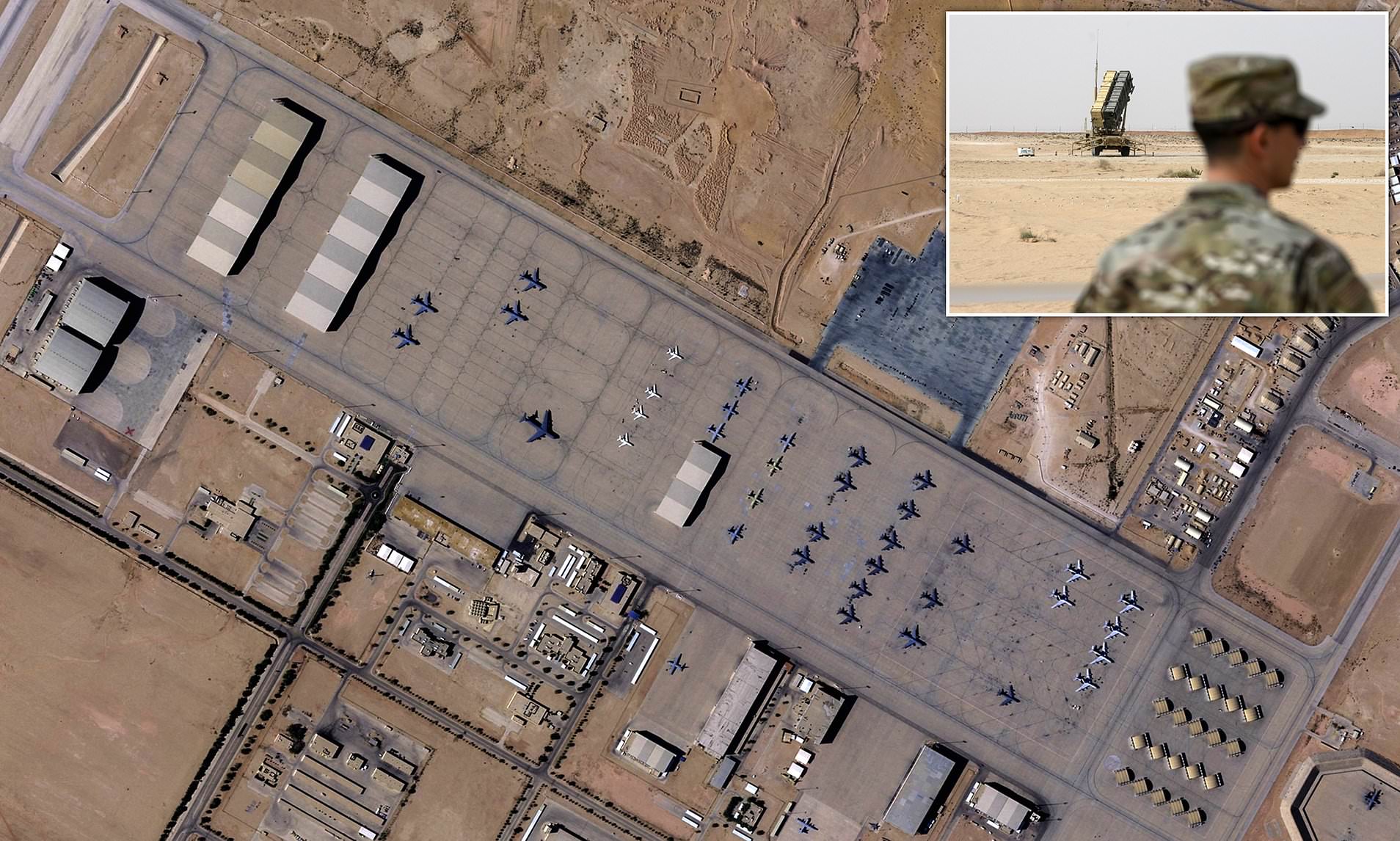
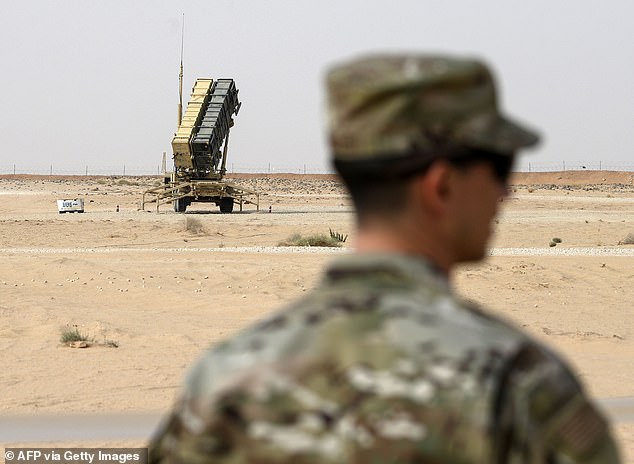
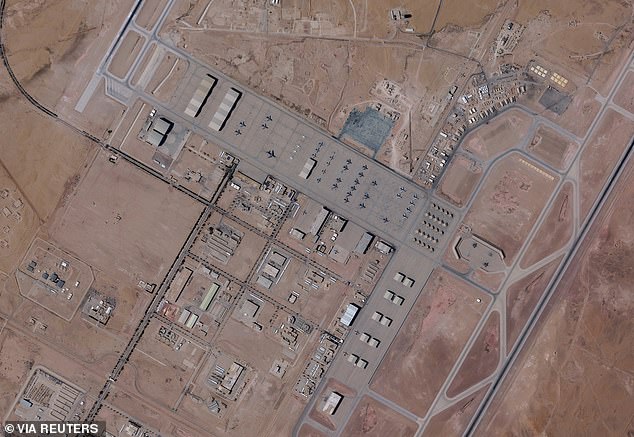
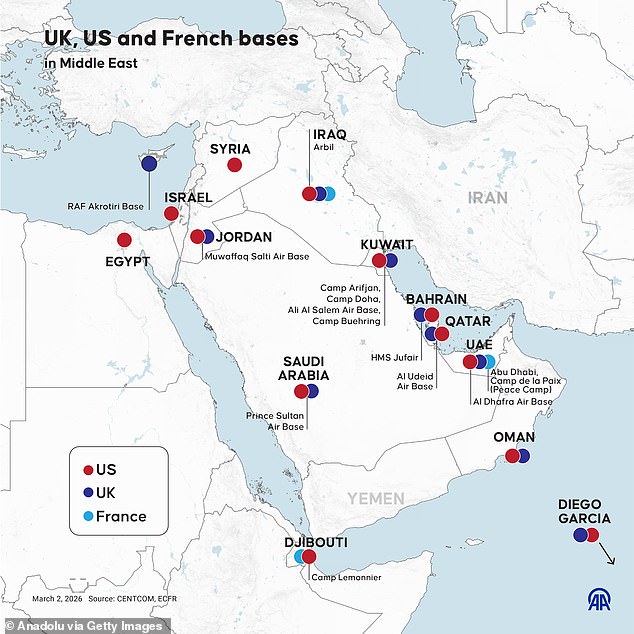
A significant strike, reportedly involving Iranian missiles and unmanned aerial vehicles, has targeted Prince Sultan Air Base in Saudi Arabia, resulting in injuries to approximately a dozen US soldiers and damage to multiple aircraft. The incident marks a serious escalation in the ongoing conflict, highlighting vulnerabilities in US air defenses.
According to multiple US and Arab officials, the attack occurred on Friday. Reports indicate that at least one missile and several drones were involved. The Wall Street Journal and The New York Times cited sources stating that twelve American soldiers sustained injuries. Further details from CBS News categorized the casualties, with two service members described as “very seriously injured” and eight others as “seriously injured,” according to the military’s classification system. The exact condition of the remaining injured personnel remains unknown.
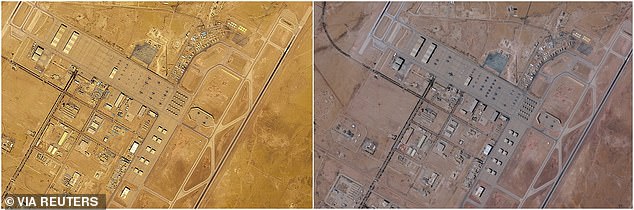
The operational impact of the assault is also substantial. At least two KC-135 refueling planes reportedly suffered “significant damage” in the combined missile and drone attack, as reported by The New York Times. Satellite imagery is said to have provided a clear depiction of the extent of the damage to these critical assets.
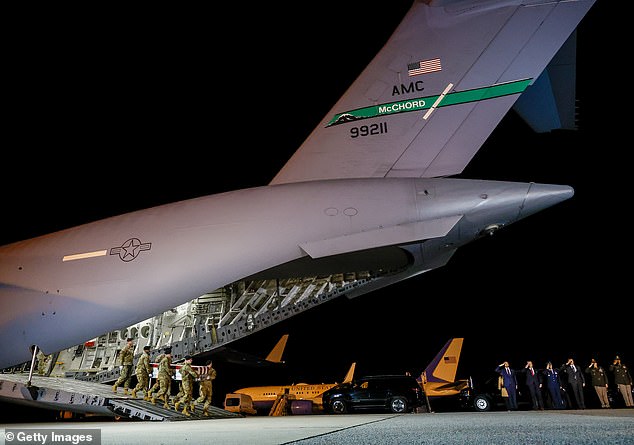
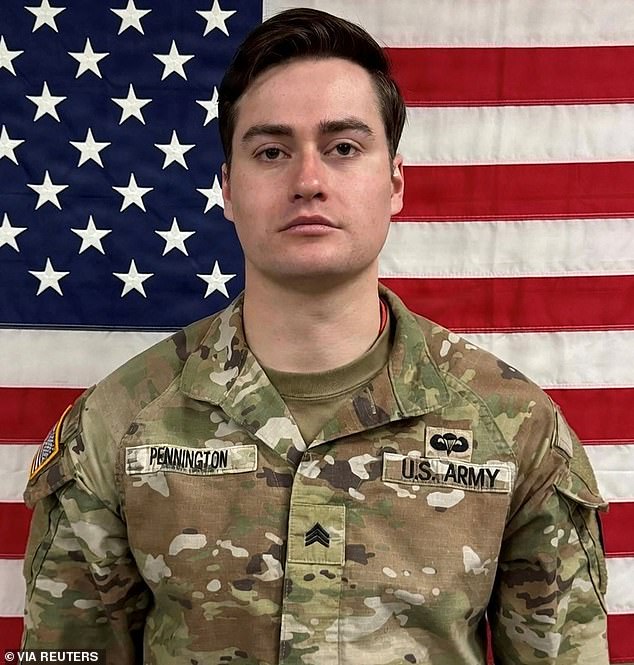
This latest strike represents one of the most significant breaches of US air defenses since the commencement of the month-long war with Iran. It is also at least the second known hit on Prince Sultan Air Base during this period. An earlier incident on March 1 resulted in damage to five US refueling aircraft and tragically claimed the life of 26-year-old Army Sgt. Benjamin N. Pennington, who had been wounded just days prior.
The cumulative toll of the ongoing conflict on US forces has been considerable. US Central Command announced on Friday that over 300 US troops have been wounded and at least 13 have been killed. A significant portion of these injuries, approximately 225, are attributed to traumatic brain injuries sustained from missile blasts.
Shifting Stances and Economic Tremors
In the wake of these attacks, Saudi Arabia and other Gulf powers are reportedly signaling a firmer stance against Iran’s actions. This shift in policy suggests that continued strikes could draw these nations deeper into the conflict. Concurrently, US and allied forces are experiencing a diminishing supply of air defense interceptors, a concern after only four weeks of intensified hostilities.
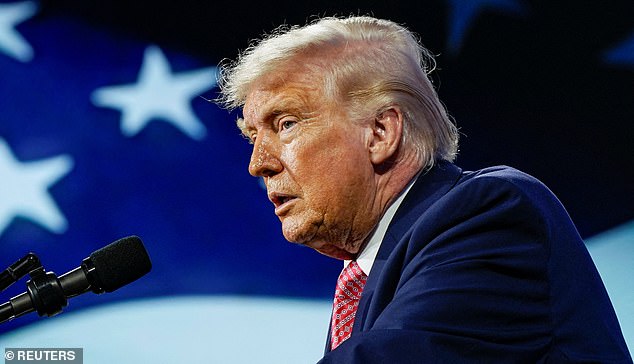
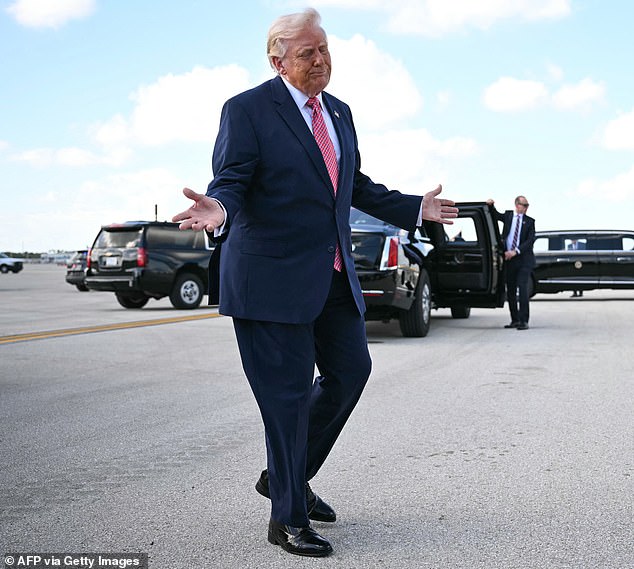
President Donald Trump, speaking at an event in Miami, indicated that the war is nearing its conclusion. “It’s sort of finished, but it’s not finished,” he stated. “It’s got to be finished.” He also expressed an expectation that the conflict would lead to even more substantial and damaging impacts on global stock markets. “I thought we were going to go down more,” he remarked, “And I thought oil prices were going to go up higher.”
However, market indicators paint a different picture. The S&P 500 has fallen for five consecutive weeks, reaching its lowest point since August of the previous year. Meanwhile, US gasoline prices are climbing, approaching the $4 per gallon mark.
President Trump also voiced criticism regarding the reluctance of NATO allies to provide military support, suggesting it has prompted him to reconsider the extent of US contributions to the alliance. He characterized the decision of allied countries to remain uninvolved in the conflict as a “tremendous mistake,” adding that it would ultimately result in “a lot of money” for the US, given the substantial annual expenditure on NATO.
Diplomatic Overtures and Nuclear Concerns
Looking beyond the immediate conflict, President Trump has urged Saudi Arabia and Israel to normalize relations following the resolution of the Iran conflict. “It’s now time,” Trump declared. “We’ve now taken them out, and they are out bigly. We got to get into the Abraham Accords.” The President has long advocated for the normalization of ties between these two key Middle Eastern powers as part of his Abraham Accords initiative. However, significant challenges persist, notably Saudi Arabia’s insistence on a clear and credible pathway toward a Palestinian state before establishing commercial and diplomatic relations with Israel.
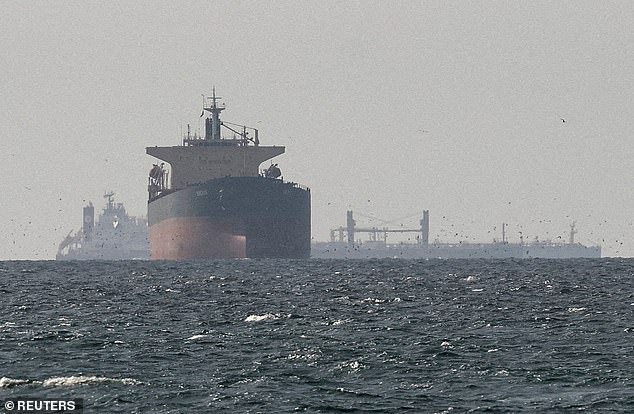
Meanwhile, Iran’s ambassador to the United Nations in Geneva, Ali Bahreini, announced that Tehran has agreed to “facilitate and expedite” humanitarian aid through the Strait of Hormuz, even as its nuclear sites are reportedly under attack. He confirmed Tehran’s acceptance of a UN request to permit humanitarian aid and agricultural shipments through this vital waterway, which handles a significant portion of global oil and fertilizer trade. This agreement could represent the first breakthrough at this critical shipping chokepoint since the war began.
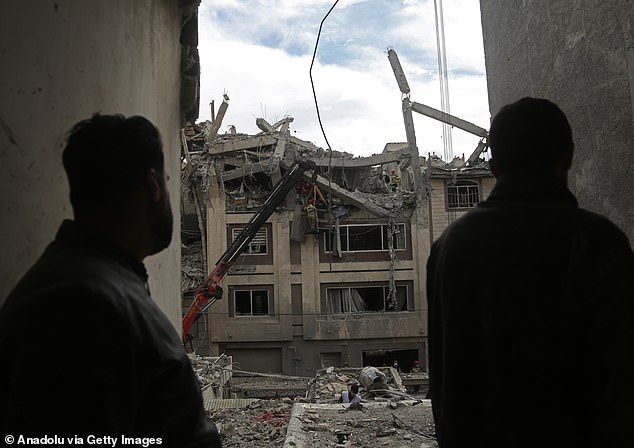
Iran’s Atomic Energy Organization reported that the Shahid Khondab Heavy Water Complex in Arak and the Ardakan yellowcake plant in Yazd Province were targeted. Officials have stated that there were no casualties and no risk of contamination. The Arak facility had reportedly been offline since a previous attack in June. Yellowcake, a concentrated form of uranium, and heavy water are essential components for nuclear reactors. Israel’s military subsequently claimed responsibility for the strike on the Yazd plant, stating it targeted materials processed for enrichment and dealt a significant blow to Iran’s nuclear ambitions.
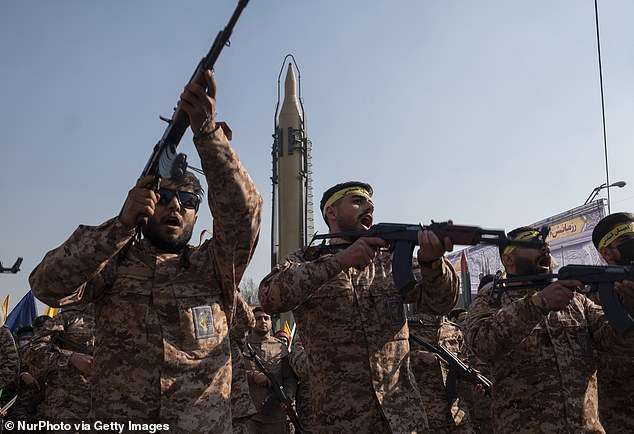
In response, the Islamic Revolutionary Guard Corps issued a warning of retaliation. The commander of its Aerospace Force advised employees of companies linked to the US and Israel to evacuate their workplaces, stating, “This time, the equation will no longer be ‘an eye for an eye,’ just wait.”
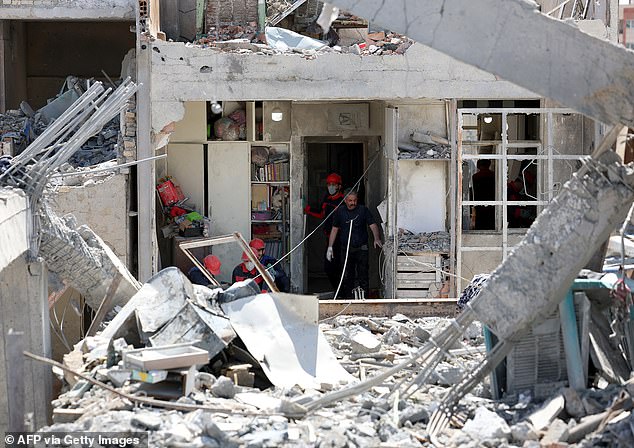
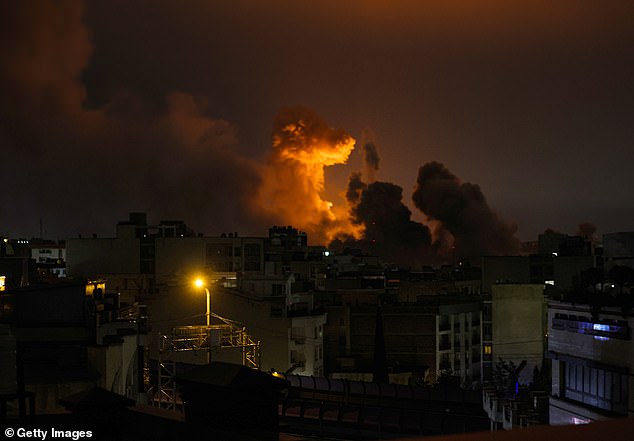
Tel Aviv also experienced significant impacts late Friday. Israel’s Fire and Rescue Service reported responding to eleven separate impact sites across the metropolitan area, with one fatality confirmed: a man in his 60s. These strikes on Iran occurred mere hours after President Trump had asserted that ceasefire talks were progressing “very well”—a claim that Tehran has vehemently denied, stating it is not engaged in any such negotiations.
Diplomatic Stalemate and Economic Pressures
With stock markets in decline and the economic consequences of the conflict extending far beyond the Middle East, President Trump faces increasing pressure to break Iran’s influence over the Strait of Hormuz. Steve Witkoff, the US envoy, indicated that Washington had presented Iran with a 15-point ceasefire proposal through Pakistan, aimed at curbing Tehran’s nuclear program and reopening the vital waterway.
However, Tehran reportedly rejected President Trump’s ceasefire package and put forth its own five-point proposal, which included demands for reparations and official control of the strait. President Trump has issued a warning: if Iran does not fully reopen the Strait of Hormuz by April 6, he will order strikes on the country’s energy facilities.