Iraqi World Cup Dreams Hinge on Visa Woes and Geopolitical Turmoil
Iraq’s aspirations of gracing the World Cup stage are facing unprecedented hurdles, not on the pitch, but in the labyrinthine world of international diplomacy and travel. The nation’s qualification hopes are being significantly hampered by a confluence of factors, including the ongoing conflict in Iran, which has led to widespread airspace closures, and the bureaucratic nightmare of securing crucial visas for an upcoming playoff tournament.
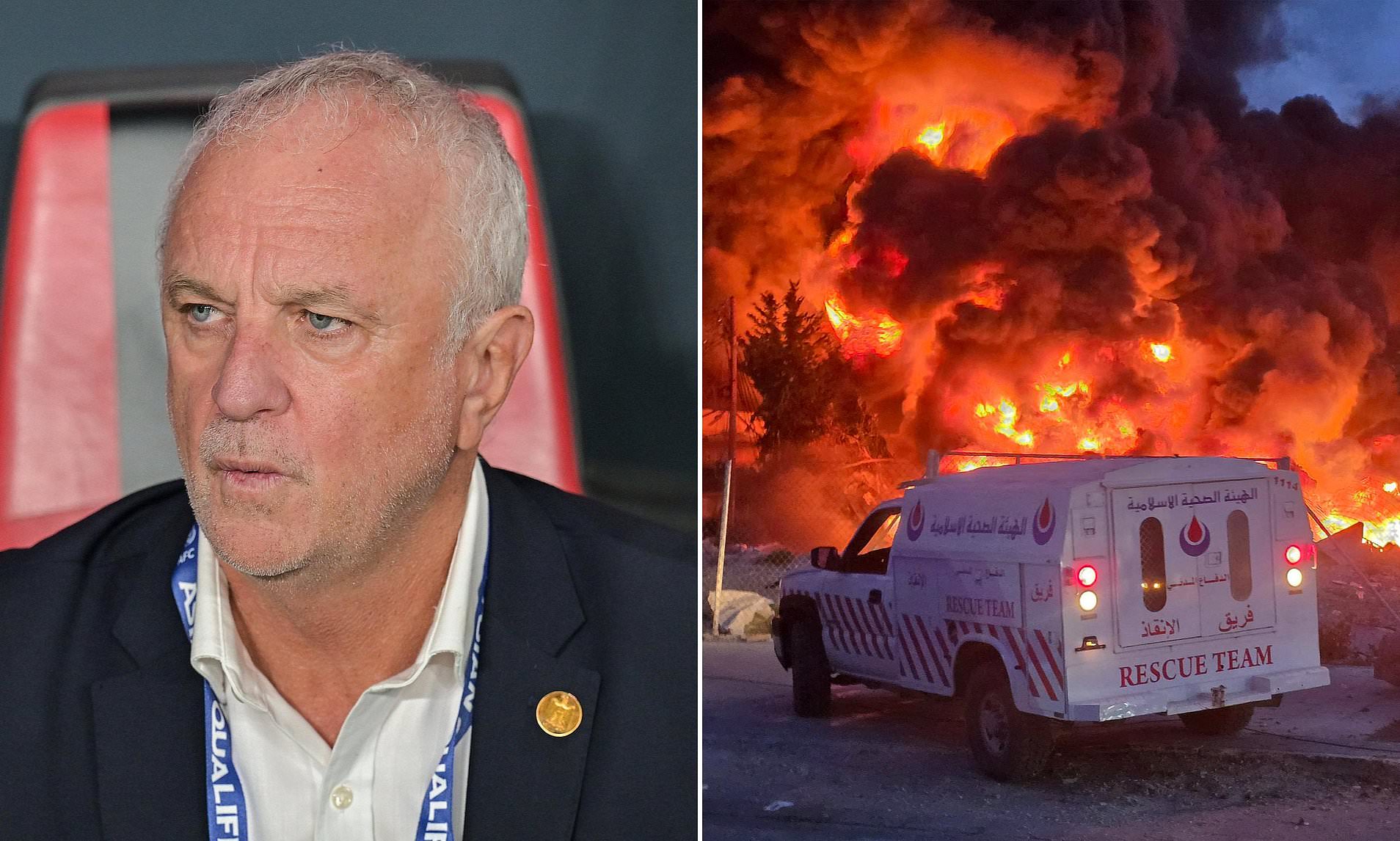
The immediate consequence of these disruptions is the stranding of Iraq’s national team coach, Graham Arnold, in the United Arab Emirates. A statement released by the Iraqi Football Federation on Instagram highlighted the severity of the situation: “Because of airspace closures, our head coach, Graham Arnold, is unable to leave the United Arab Emirates.” This geographical impediment is just one facet of the complex challenge.
Furthermore, the federation pointed to another critical issue: “In addition, several embassies remain closed at the present time, preventing several professional players, technical and medical staff members from obtaining entry visas to Mexico.” This inability to secure the necessary documentation poses a direct threat to the team’s participation in the vital playoff matches.
Mexico’s Ministry of Foreign Affairs acknowledged the visa complications, explaining that the absence of a Mexican embassy in Iraq is a primary reason for the difficulties. However, they assured that the Mexican embassy in the United Arab Emirates has been actively engaging with the Iraqi Football Federation. The ministry also offered a potential solution, stating that visas could be processed in any European country. To expedite the process, they have requested the Iraqi federation to provide a list of individuals requiring visas for their trip to Mexico.
Iraq is slated to compete in Monterrey, Mexico, on March 31st. The stakes are incredibly high, as this playoff match offers one of the final two coveted qualification spots for the World Cup, which will be jointly hosted by the United States, Mexico, and Canada. Iraq is set to face either Bolivia or Suriname in this do-or-die encounter.
The Iraqi Football Federation confirmed its commitment to navigating these challenges, stating it is in “constant communication with FIFA regarding the arrangements for our national team’s participation” in the crucial match. They also confirmed that the Asian Football Confederation is “fully aware of every development regarding our team’s situation.”
An Unlikely Lifeline? Iran’s Potential Withdrawal
Adding another layer of uncertainty to Iraq’s World Cup journey is the precarious situation surrounding Iran’s participation. Speculation is rife that Iran might be unable to compete in the tournament due to the ongoing geopolitical tensions and attacks on the country, particularly those involving the United States and Israel.
Iran’s top football official, Mehdi Taj, expressed a somber outlook, stating, “We cannot be expected to look forward to the World Cup with hope.” While a withdrawal from Iran remains a highly speculative scenario, its implications for Iraq are significant. Should Iran indeed pull out, Iraq or the United Arab Emirates, as the ninth and tenth-ranked Asian teams in qualification, would be the most likely candidates to step in as replacements.
However, the path forward is far from clear. FIFA’s legal regulations regarding such situations are reportedly vague, granting considerable discretion to FIFA President Gianni Infantino in making any final decisions.
The Path Forward: Playoff Victory Remains the Primary Hope
Despite the external pressures and potential alternative scenarios, Iraq’s most direct and certain route to World Cup qualification remains through winning their playoff match later this month. The team and its federation are undoubtedly working tirelessly behind the scenes to overcome the visa hurdles and ensure their coach can join them, allowing them to focus on the monumental task ahead on the pitch. The coming weeks will be a true test of resilience and adaptability for Iraqi football.