A Tapestry of Milestones: Moments That Shaped History
The annals of time are punctuated by events that resonate far beyond their immediate impact, shaping the course of nations, industries, and popular culture. From royal coronations to groundbreaking technological advancements and pivotal sporting moments, history is a rich tapestry woven with threads of significant occurrences. Let’s delve into a collection of such milestones, spanning centuries and continents, that have left an indelible mark.
Royal Succession and Jubilees
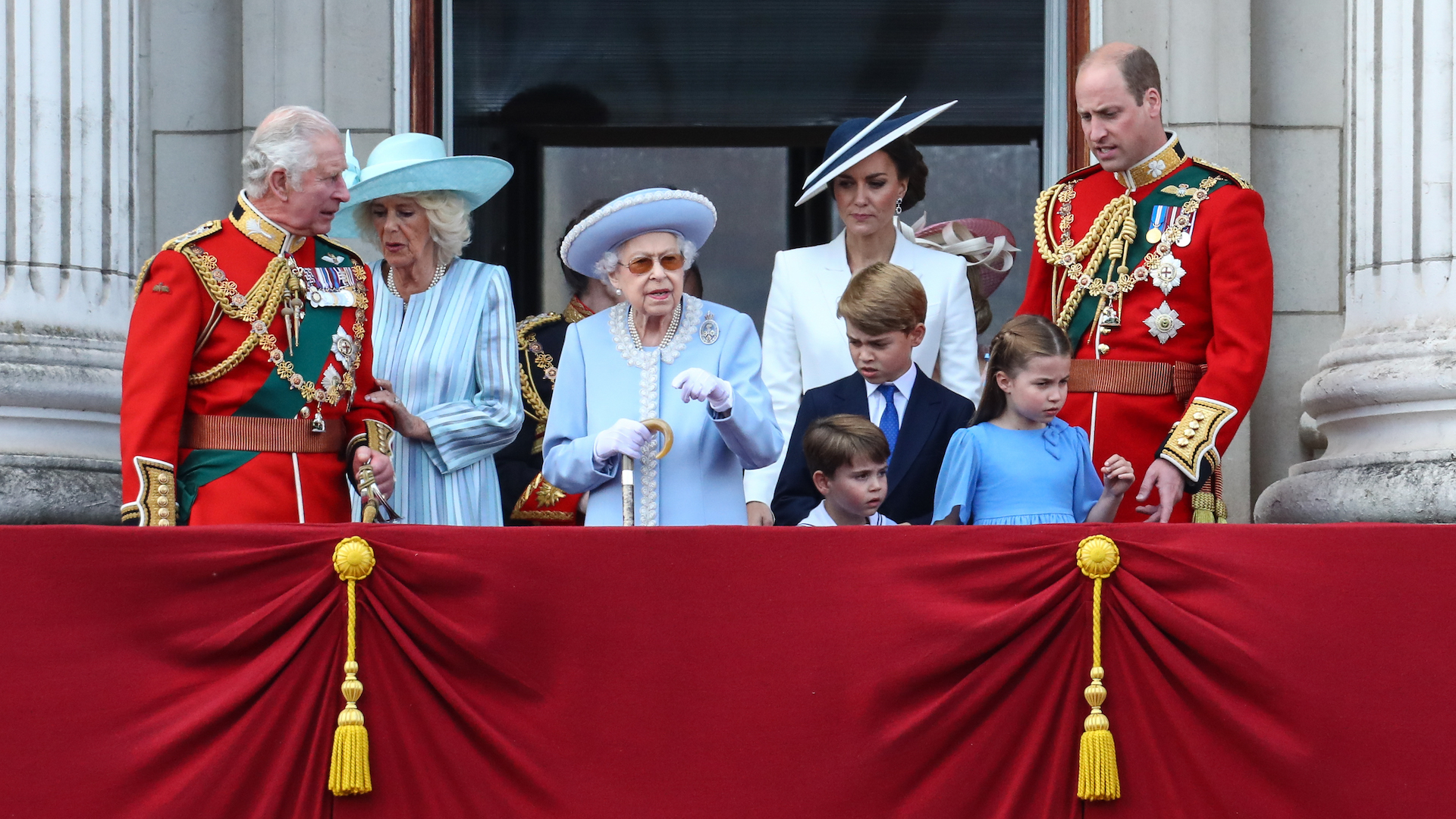
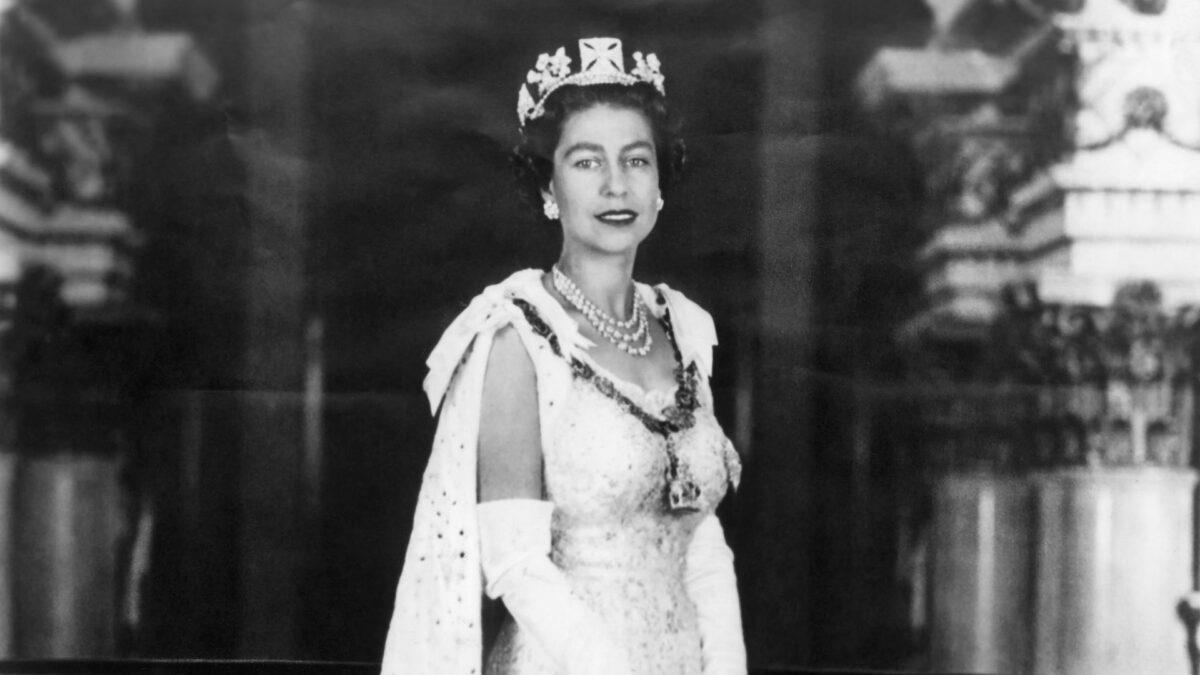
In 2022, the world watched as Queen Elizabeth II, a figurehead of immense longevity and dedication, stood on the iconic balcony of Buckingham Palace. This wasn’t just any appearance; it was a moment to celebrate her Platinum Jubilee, marking an extraordinary 70 years on the British throne. The occasion was further underscored by the presence of her successors, a symbolic passing of the torch and a testament to the enduring institution of the monarchy. This moment harks back to an earlier, equally momentous occasion in 1953, when Elizabeth herself was crowned Queen of England at Westminster Abbey. The weight of history and the anticipation of a new era were palpable as she took her place as sovereign.
Scandals and Resignations
The world of international sport has not been immune to dramatic upheavals. In 2015, the global footballing body, FIFA, found itself at the centre of a major bribery scandal. Amidst the turmoil and investigations, FIFA President Sepp Blatter made a surprising announcement just five days after his re-election: his resignation. This event sent shockwaves through the sporting world, highlighting the need for greater transparency and accountability within powerful organisations.

Political Turmoil and Justice
The year 2012 saw a significant legal development in Egypt following the 2011 revolution. Former President Hosni Mubarak was sentenced to life imprisonment, a consequence of his role in the suppression and killing of demonstrators during the popular uprising. This verdict represented a crucial, albeit complex, step in the nation’s journey towards political change and justice.

Cultural and Entertainment Landmarks
Beyond politics and royalty, history is also shaped by cultural phenomena and entertainment milestones. In 2004, a quiet revolution began in the world of television. Ken Jennings embarked on an astonishing 74-game winning streak on the syndicated game show Jeopardy!, captivating audiences and setting a new benchmark for trivia mastery. His intellectual prowess became a national talking point, demonstrating the power of a compelling contestant to dominate the public consciousness.
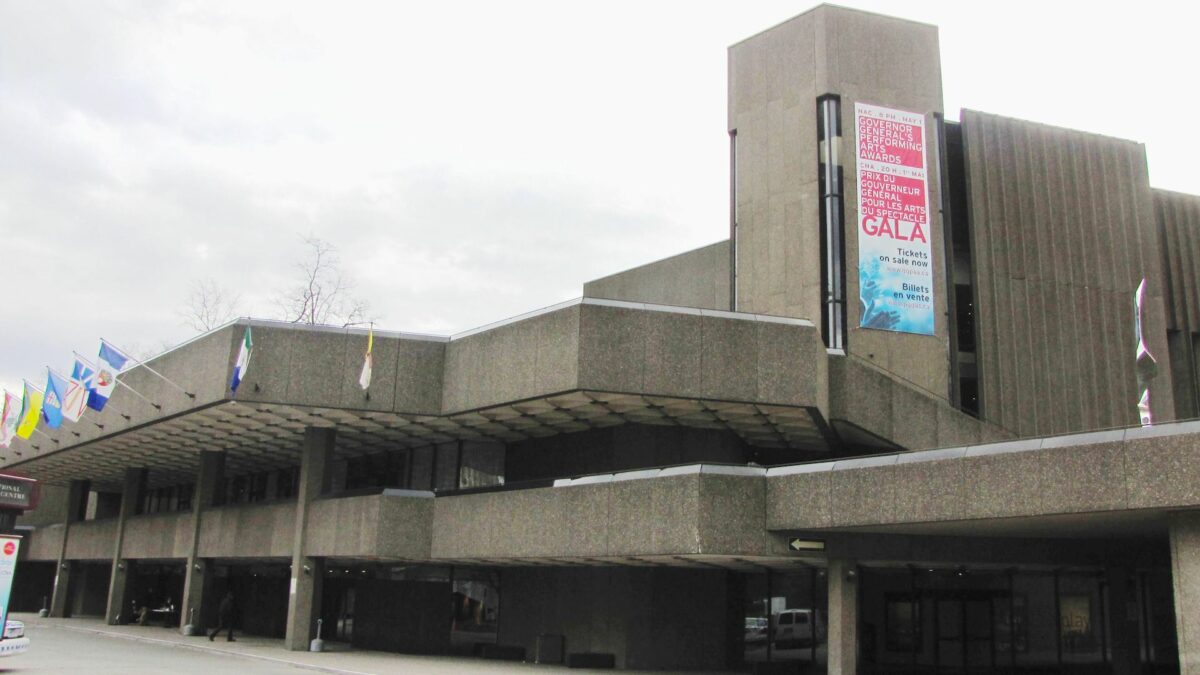
The arts also found a new home in 1969 with the opening of the National Arts Centre in Canada. This institution, designed to foster and showcase Canadian artistic talent across various disciplines, opened its doors to the public, becoming a vital hub for cultural expression and innovation.
Technological and Industrial Innovations
The relentless march of progress is often marked by ingenious inventions and the birth of iconic products. In 1928, the food industry witnessed the introduction of a now-ubiquitous dairy product: Velveeta cheese, rolled out by Kraft. This processed cheese product would go on to become a staple in kitchens worldwide.

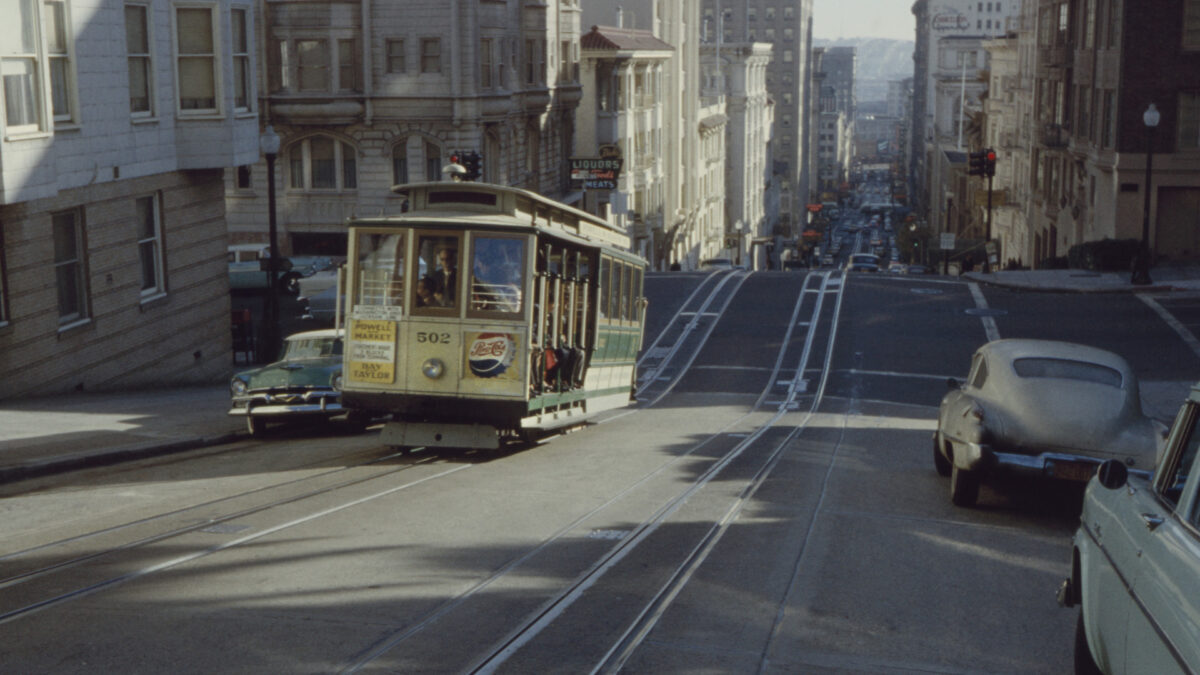
Further back in time, the late 19th century saw the dawn of a revolutionary mode of public transportation. In 1873, construction commenced on Clay Street in San Francisco for the world’s first cable railroad. This pioneering engineering feat laid the groundwork for urban transit systems that would transform city living.
Sporting Icons and Farewell Tours
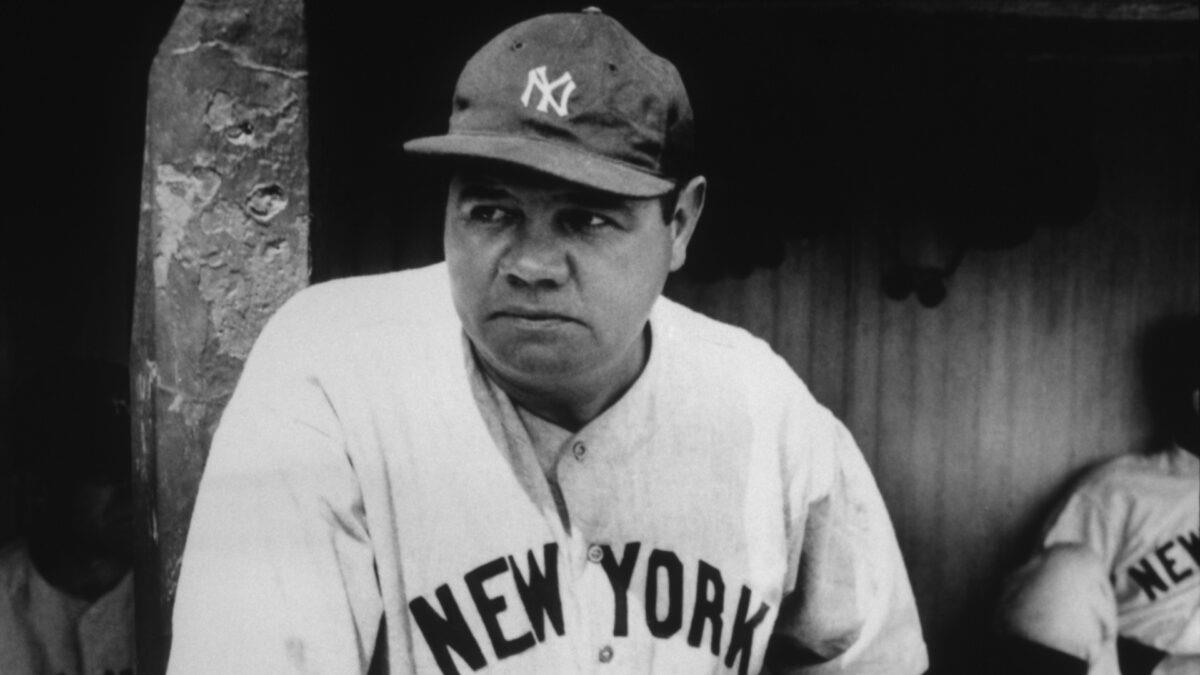
The world of professional sports has celebrated legendary figures who have transcended their games. In 1935, the legendary George Herman “Babe” Ruth, a titan of baseball, announced his retirement. His departure marked the end of an era, leaving behind a legacy of incredible achievements and a place cemented in the pantheon of sporting greats.
Pivotal Religious and Diplomatic Engagements
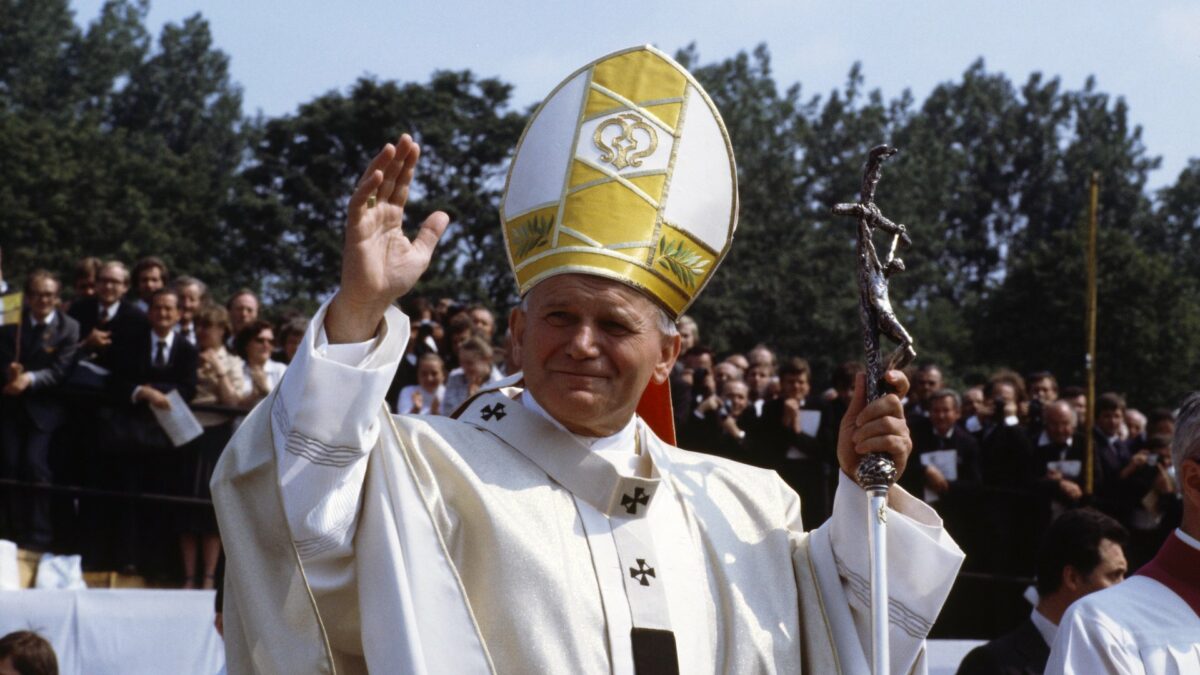
Religious figures have also played significant roles in historical events. In 1979, Pope John Paul II made history by arriving in his native Poland. This marked the first-ever visit by a Pope to a Communist country, a moment laden with symbolic and diplomatic significance that resonated across the Eastern Bloc and beyond.