
A Rising Controversy in Australian Athletics
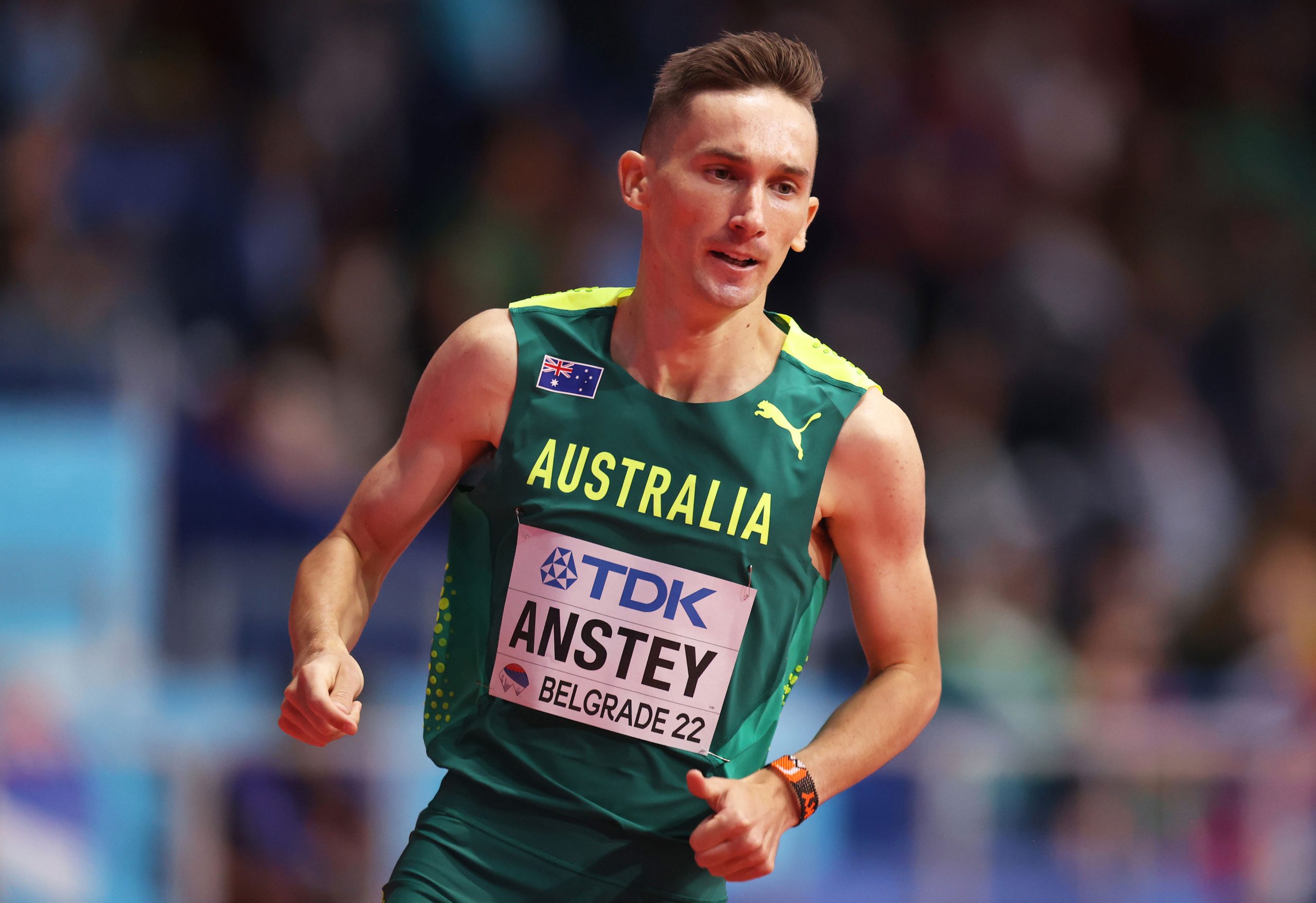
“I’m just at a point now where I’m not going to keep my mouth shut.” These were the words of middle-distance runner Jack Anstey as he voiced his frustration with the selection criteria for the world athletics indoor championships. Anstey, a 28-year-old from Queensland, met the qualification standards set by World Athletics for the men’s 1500 metres, but was left out of the Australian team due to an internal rule.
Anstey achieved the required time of 3:36.00 and ranked within the top 30 on the global “top performances” list. However, Australian Athletics (AA) only selected athletes who were in the top 20 of that list, a rule that has sparked significant debate.
In a recent interview with Wide World of Sports, Anstey expressed his concerns about the policy, warning that it could deter young athletes from pursuing their dreams in the sport. He argued that such rules could harm the future of athletics in Australia, making it harder for kids to stay motivated and engaged.
“It doesn’t make sense to me, and I feel like it’s only gonna harm athletes in the future,” Anstey said from his training base in Flagstaff, Arizona. “If it doesn’t help me, and this doesn’t change immediately, that’s one thing. But in 10 years’ time, if kids are growing up hearing these stories… why would they be motivated to stay in the sport?”
Anstey’s agent, Stephen Haas, also criticized the policy, stating that meeting World Athletics’ standards should be sufficient for selection. “If you meet the World Athletics qualifying standard, I don’t understand why they [a federation] would come in and say, ‘No, we’re gonna hold you to a higher standard than that to qualify for our team’,” Haas said.
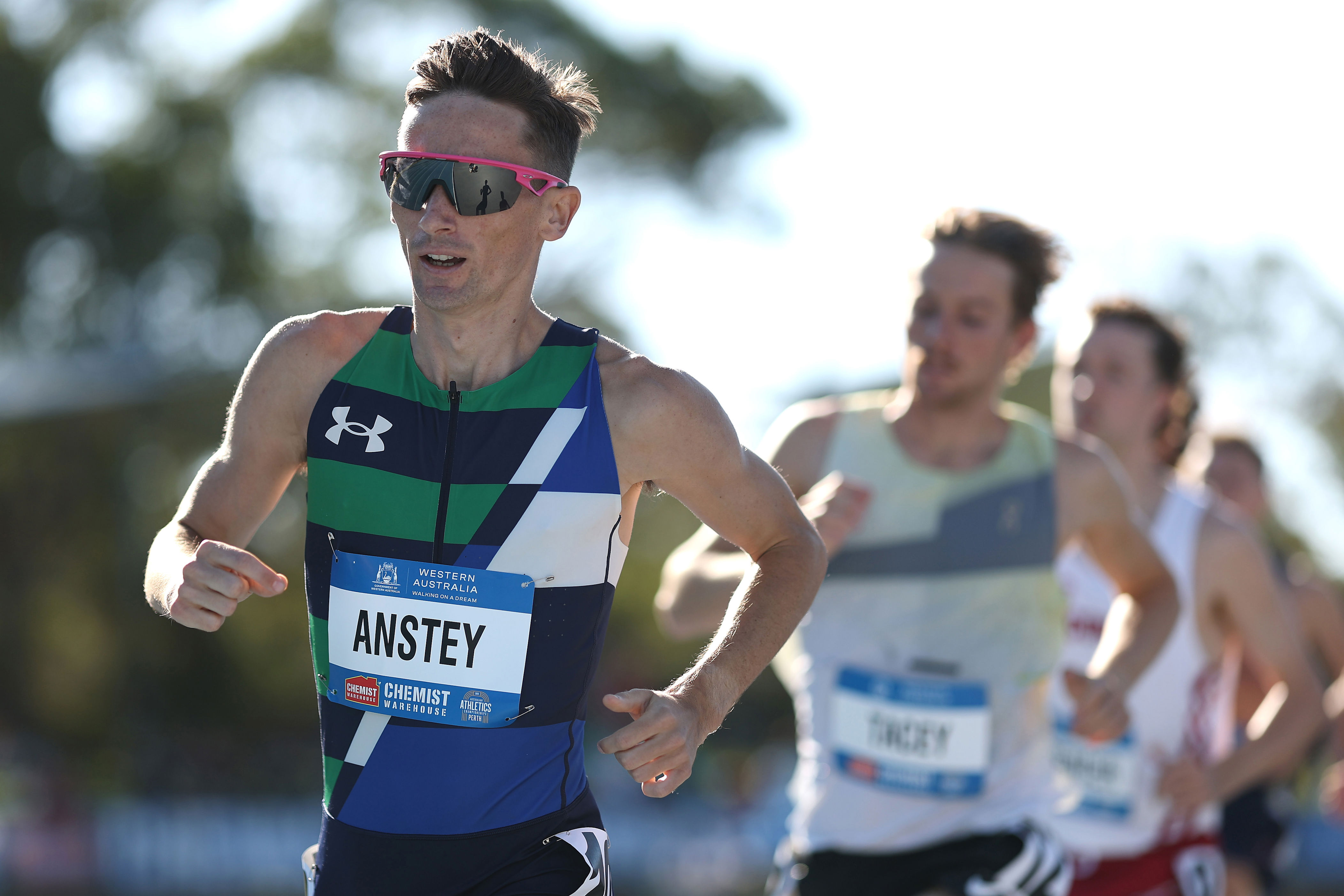
The only Australian athlete selected for the men’s 1500m at the world indoor championships was Adam Spencer. He met the time standard and was within the top 20 of the “top performances” list when the qualification period closed.
AA sent a team of 11 athletes to Poland, including global medallists Jessica Hull, Nicola Olyslagers, Eleanor Patterson, Kurtis Marschall, Liam Adcock, Peter Bol, Bob Abdelrahim, Michelle Jenneke, Hayley Kitching, Linden Hall, and Spencer.
The Rationale Behind AA’s Policy
The question remains: why does AA have a “top 20” rule? This rule is specific to the world indoor championships and not applied to other major events like the Olympic Games or Commonwealth Games. The reason lies in the timing of the indoor season, which often clashes with the Australian domestic season.
By enforcing stricter selection policies, AA aims to protect its competitions and ensure more athletes are available for the domestic scene. While it is possible for athletes to compete in both events, AA argues that mixing global travel with domestic competition in such a short timeframe can negatively impact performance.
AA’s selection policy for the world indoor championships states that one of its aims is to “select only athletes and relay teams with the realistic potential to win a medal and be highly competitive.” Another goal is to select athletes who are considered potential medallists or top eight athletes in future world championships or Olympic Games.
However, not all athletes selected for this year’s event can be reasonably considered medal contenders. Despite this, AA maintains high standards, and even those who barely meet the criteria are often selected.
Superstars like Jessica Hull and Nicola Olyslagers are seen as strong medal prospects, with Olyslagers winning silver in the women’s high jump at the event. Meanwhile, Anstey, a member of the Australian quartet that won gold in the mixed 4x2km relay at the world cross-country championships, remains a vocal critic of the current selection process.


