
Labour’s Internal Turmoil Laid Bare: The Mandelson Files Expose Deep Divisions and Cover-Up Allegations
A significant leak of government documents, dubbed “The Mandelson Files,” has thrown a harsh spotlight on the internal workings of the Labour Party, revealing a landscape rife with infighting, bitter criticism, and accusations of a deliberate cover-up. The extensive cache of hundreds of documents, reportedly totalling over 1,500 pages, has exposed the toxic dynamics at the heart of the current government, particularly concerning the fate of Prime Minister Keir Starmer’s administration.
The revelations paint a picture of chaos, with ministers and officials reportedly sniping at each other over crucial policy decisions and the general direction of the government. This internal discord has been further amplified by serious questions surrounding what the released files failed to reveal, fuelling claims of a deliberate attempt to conceal damaging information.
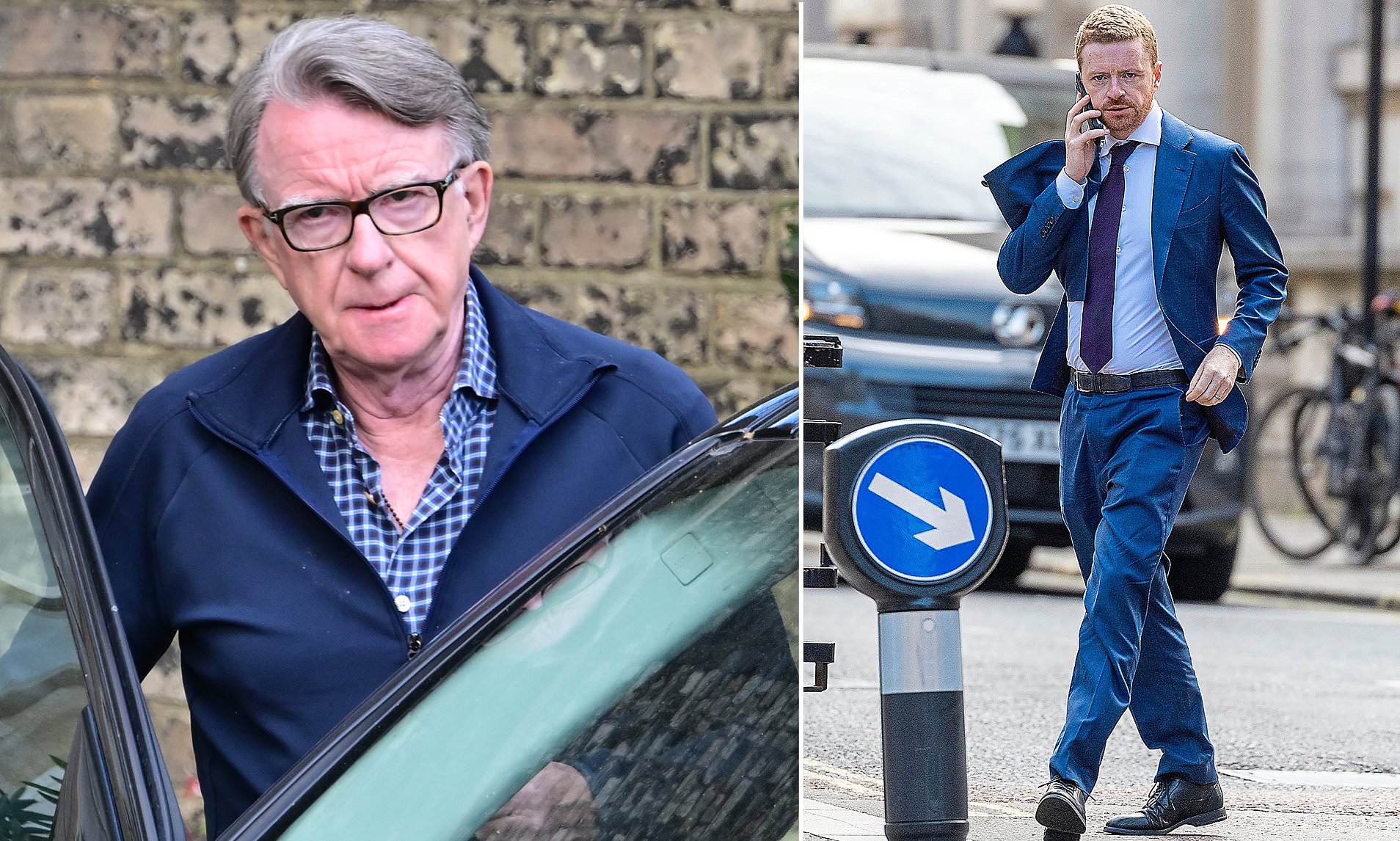
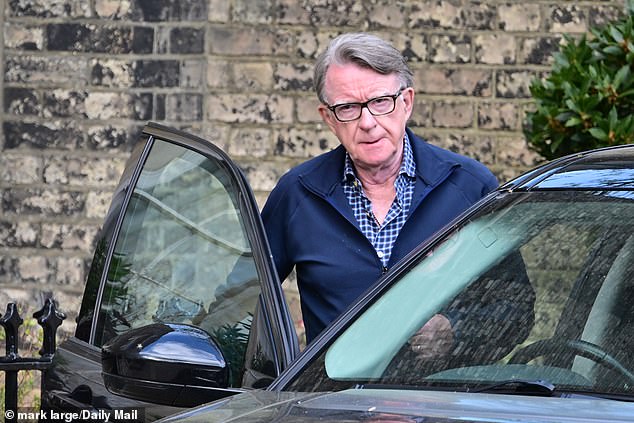
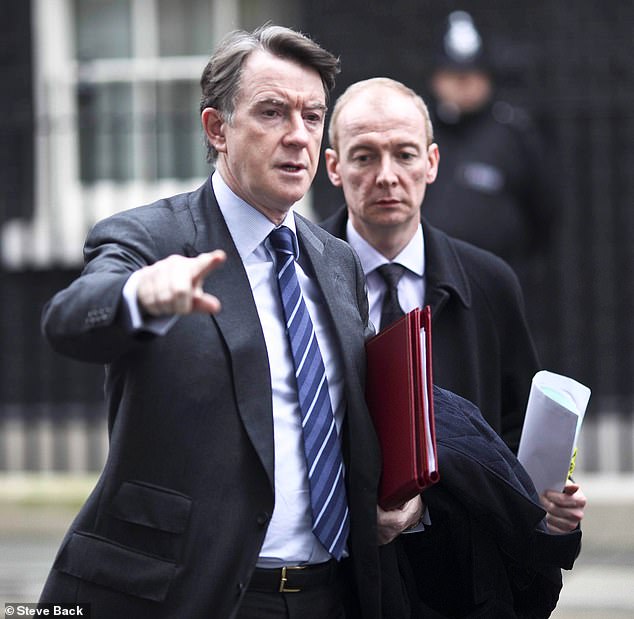
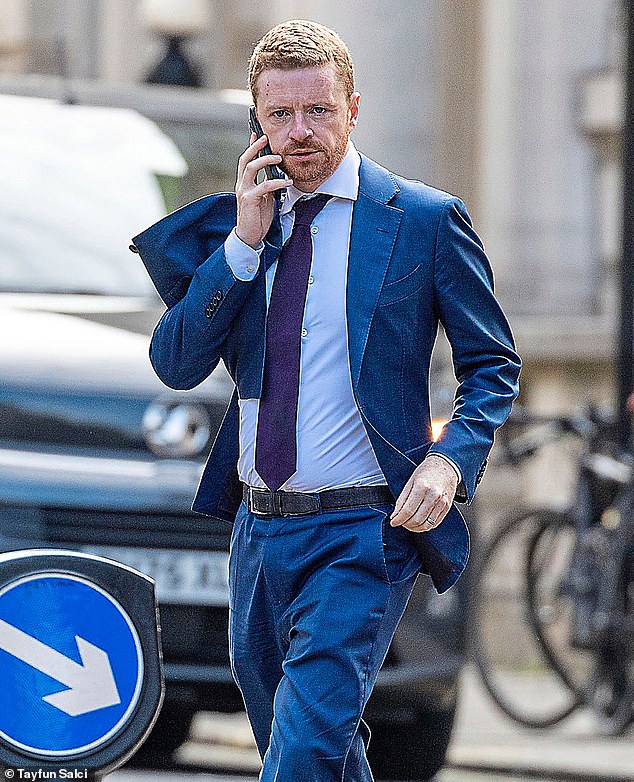
At the centre of the storm is Peter Mandelson, a figure who, despite having been previously forced out of government twice due to scandals, appears to have retained an extraordinary level of influence. The files suggest Mandelson was still actively pulling strings within Labour, largely through his close relationship with Morgan McSweeney, the Prime Minister’s then chief of staff. This intricate web of connections has shed light on the behind-the-scenes machinations that have been shaping government policy.
One particularly revealing confession detailed in the documents comes from Pat McFadden, the current Secretary of State for Work and Pensions. McFadden reportedly complained in private that Labour MPs were constantly badgering the government with questions about “who can we tax in order to pay benefits to others?” This private admission has drawn sharp criticism from the opposition.
Tory leader Kemi Badenoch seized on this revelation, stating, “Pat McFadden has said in private what he and the Prime Minister deny in public. They are no longer the Labour Party, they are the Welfare Party.” This suggests a fundamental shift in the party’s perceived ideology, moving towards a reliance on extensive welfare provision funded by increased taxation.
The dossier also contains unflattering assessments of senior Labour figures. Sir Keir Starmer himself, along with prominent colleagues Rachel Reeves, Ed Miliband, and Angela Rayner, reportedly faced criticism from within their own party ranks. This internal dissent highlights a lack of unified support for the leadership and their strategies.
However, a significant point of contention is the lack of clarity surrounding a pivotal decision: the Prime Minister’s appointment of Mandelson as ambassador to the United States. Despite the immense cost to the taxpayer, reportedly exceeding £1 million for the compilation of these files, they offer little insight into this controversial appointment.
Opposition MPs have been quick to accuse the government of orchestrating a cover-up. Alex Burghart, a Conservative frontbencher, expressed disbelief, stating that the absence of any “documentary trace at all” regarding the Prime Minister’s decision-making process “beggars belief.” This points to a potential lack of transparency and accountability in a critical diplomatic appointment.
The controversy is further inflamed by the fact that Sir Keir appointed Mandelson despite being aware of his “particularly close” association with Jeffrey Epstein, even after the convicted paedophile was jailed for child sex offences. Crucially, the released files contain no minutes from the December 2024 meeting where Sir Keir reportedly made the decision to appoint Mandelson, nor any record of his reasoning. This gaping void in documentation risks reigniting the controversy that had previously threatened the Prime Minister’s standing.
Leadership hopeful Andy Burnham has warned that these disclosures could “further damage people’s confidence in our political system,” underscoring the potential for widespread public disillusionment.
A Day of Damaging Revelations for Labour
The leak has unfurled a series of damaging revelations about Mandelson’s activities and his interactions with key government figures:
- Mandelson’s Endorsement: Peter Mandelson reportedly wrote to then-Foreign Secretary David Lammy, asserting that the government would “never regret” the decision to bring him back into a significant role.
- Gossiping and U-Turns: Mandelson is said to have extensively gossiped about the opinions of others within the government regarding Sir Keir. Notably, Mr McSweeney was quoted as observing a “cycle [of] advance/buckle” in the Prime Minister’s approach, attributed to his frequent policy “U-turns.”
- Early MI6 Briefing: Mandelson was reportedly offered a briefing with the head of MI6 before his security vetting process had been completed, raising questions about protocol and security clearances.
- Criticism of Wes Streeting: Mandelson allegedly accused potential leadership challenger Wes Streeting of experiencing a “mid-life crisis” after Streeting criticised Israel’s actions in Gaza as “war crimes.”
- Strategic Timing of Appointment: The disgraced peer is reported to have engineered his start date in Washington to coincide with a potentially lucrative speaking engagement in China, suggesting a focus on personal financial opportunities.
- Refusal to Hand Over Phone: Mandelson reportedly refused to surrender his personal phone to officials tasked with compiling the dossier for parliamentary review, hindering the transparency process.
- Lost and Withheld Messages: Cabinet Office minister Darren Jones faced intense scrutiny after admitting that his own messages with Mandelson had been lost. Similarly, Cabinet minister Nick Thomas-Symonds claimed his phone had been stolen, preventing him from publishing his communications with Mandelson.
- Lammy’s Distance: Deputy Prime Minister David Lammy further distanced himself from the appointment, revealing that he had initially suggested former Tory chancellor George Osborne for the ambassadorial role.
The release of these documents followed a significant parliamentary vote in February, which mandated the publication of all materials pertaining to Mandelson’s appointment and his tenure in office, including all exchanged messages with ministers and officials.
Cabinet Office minister Darren Jones described the release as the government’s largest-ever “transparency” initiative. However, the papers have been heavily redacted, with significant portions of vital evidence rendered illegible. Furthermore, the exchanges between Mandelson and the Prime Minister who appointed him are reportedly confined to a single page of bland communication.
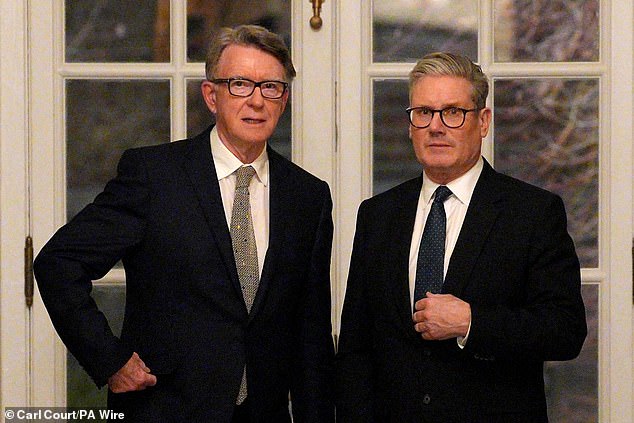
Mr Burghart highlighted the extent of the redactions to MPs, describing “acres and acres of white space, a constellation of asterisks… a huge number of redactions.” He concluded, “Although we have a huge number of documents, it is clear that very many are missing. Some have been withheld, some have been lost, and it is clear that some have probably been destroyed.”
Despite the redactions and missing information, the files undeniably expose the underlying fear and animosity prevalent within the Labour government. They also underscore the significant and perhaps undue influence wielded by Mandelson.
In one particularly scathing exchange, the disgraced peer reportedly lambasted the government’s “s**t” communications, describing Downing Street as “bereft and beleaguered” and in dire need of a “complete revamp.” He expressed that the public were “crying out for leadership” and that ministers should adopt a more “Trumpian risk-taking and daredevil way.” Mandelson also revealed that Mr McSweeney harboured “no faith in Keir’s ability to change No 10.”
Further insights from the files show Mandelson advising Mr McSweeney on the appointment of an economic adviser for Sir Keir, amidst apparent tensions with Rachel Reeves. Mandelson also voiced concerns that Gordon Brown was actively working against the Prime Minister, allegedly using Ms Rayner to undermine him. These revelations paint a picture of a deeply fractured party, struggling with internal power dynamics and a perceived lack of decisive leadership.


