
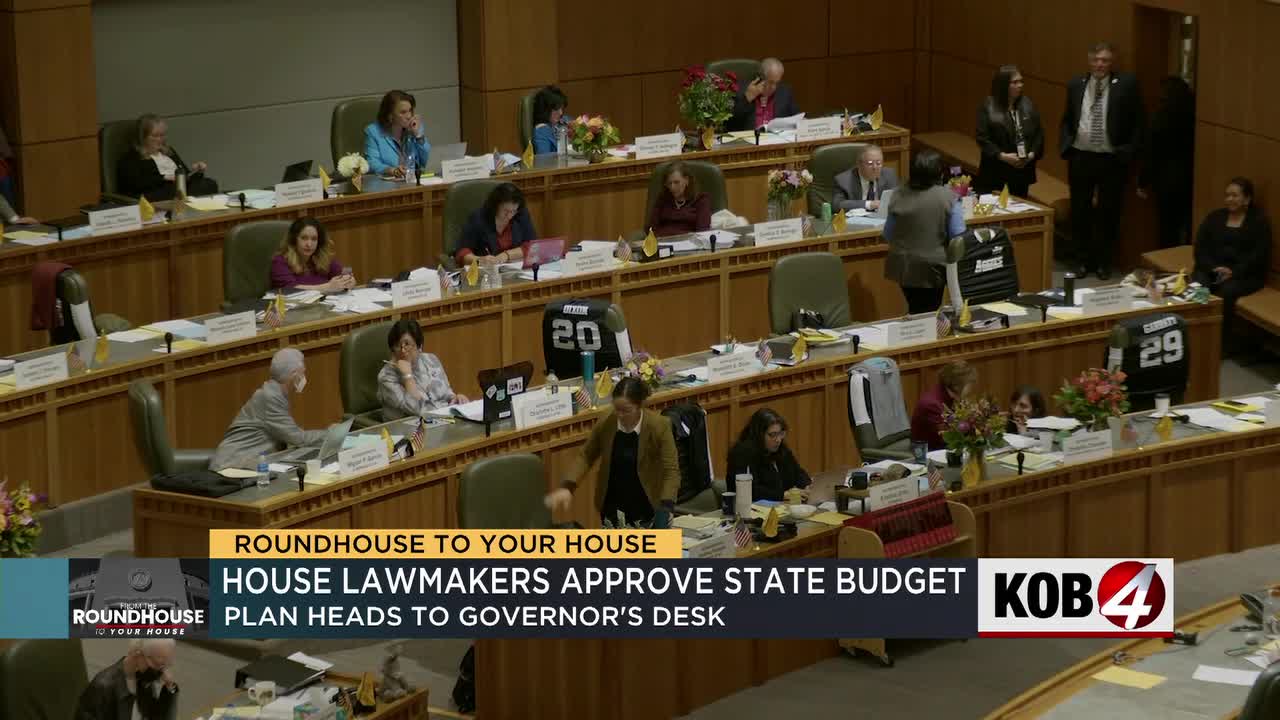
Legislative Debate on Scrapping Free Meals for MPs
Lawmakers are set to convene on Monday to discuss the potential removal of free meals provided to Members of Parliament (MPs), a move that has sparked significant public debate over the excessive use of taxpayer funds for parliamentary benefits. The discussion comes in response to growing concerns about the financial privileges afforded to elected officials, which many believe do not align with the interests of the general public.
House Speaker Sophon Zarum has called on political parties to reassess the welfare package within the parliament, including the provision of meals during House sessions. In a recent social media post, he highlighted that approximately 250-300 MPs receive meals daily, and any unused funds will be returned to the state. He also mentioned that changes to the current system are expected to be implemented soon.
Dr. Warong Dechgitvigrom, leader of the Thai Pakdee Party and a list-MP, has proposed several reforms aimed at reducing the perks available to lawmakers. His proposals include scrapping meal allowances, limiting the number of personal assistants per MP, and revising pension and welfare benefits for former MPs and senators. According to Dr. Warong, these changes reflect the public’s growing dissatisfaction with what they perceive as excessive benefits for elected officials.
He argued that the food allowance should be entirely removed rather than just reduced. MPs earn more than 100,000 baht per month, and he believes they should cover their own meal expenses. Additionally, Dr. Warong suggested that the number of eight assistants per MP should be cut down to three. Based on his experience, he claims that MPs can effectively manage their responsibilities with no more than three assistants. He emphasized that having eight assistants may appear unnecessary and could be seen as an unjustified benefit.
Regarding pension and welfare benefits, Dr. Warong pointed out that these are far more generous compared to those offered to individuals in the regular workforce. Former lawmakers, for instance, are eligible for lifetime pensions after serving just one year in office, along with extensive healthcare privileges. He criticized this as an example of taxpayers’ money being used to support politicians rather than the broader population.
“I will present these three proposals to the House Speaker. Regardless of the outcome, I want to see this driven by the conscience of politicians. Public trust in us is low,” he said.
Dr. Warong acknowledged that implementing these changes may take time, but he stressed that the first step is for lawmakers to agree in principle that they should bear their own expenses. “What matters is reaching consensus. At least in future parliamentary budgets, there will be no allocation for this, and in the long term the issue will be resolved,” he added.
Earlier, Mr. Sophon mentioned that changes to the current system could be introduced after the government delivers its policy statement or following the Songkran holiday.
Key Proposals Under Discussion
- Meal Allowances: The proposal to remove free meals for MPs, arguing that they should cover their own expenses.
- Personal Assistants: A reduction from eight to three assistants per MP, based on the belief that fewer assistants are sufficient for effective work.
- Pension and Welfare Benefits: Revisions to ensure that benefits for former MPs and senators are more in line with those available to the general workforce.


