
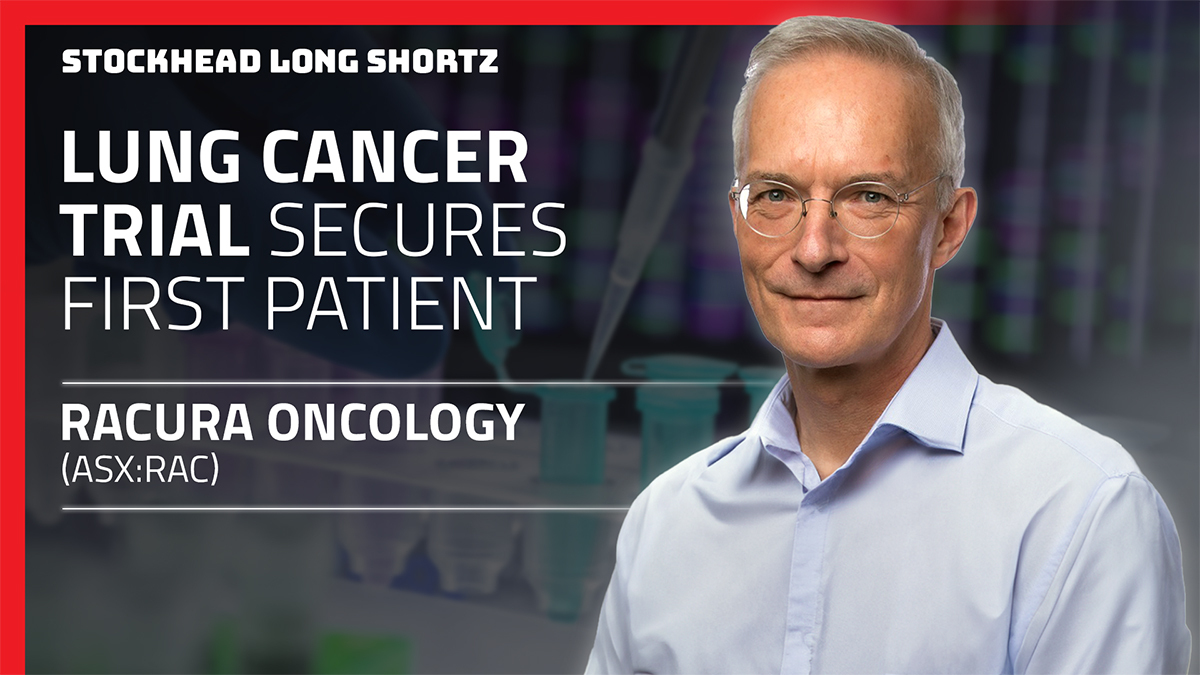
Host Tylah Tully sits down with Dr Pete Smith, Executive Chair of Racura Oncology (ASX: RAC), to explore the company’s latest developments in cancer research. The conversation focuses on the HARNESS-1 trial, a significant initiative targeting lung cancer, and the broader clinical strategy that Racura is building around a shared mechanism.
The HARNESS-1 Trial: A Rapid Progression
The HARNESS-1 trial has made remarkable progress, moving swiftly from concept to the stage of patient recruitment. This trial is now actively enrolling participants, and early results are anticipated later this year. Such rapid development highlights the potential of the approach being tested and the urgency of finding new treatment options for patients with lung cancer.
Dr Smith emphasized that the trial’s speed is a testament to the collaborative efforts between researchers, clinicians, and the company itself. The focus on lung cancer is particularly important given its high mortality rate and the challenges associated with current treatment methods.
Building a Broader Clinical Strategy
In addition to the HARNESS-1 trial, Racura is advancing other studies, including its cardio protection program. These initiatives are part of a larger effort to develop a more comprehensive clinical strategy that leverages a shared mechanism across different areas of oncology. By identifying common pathways, the company aims to create treatments that can be applied to multiple types of cancer, potentially improving outcomes for a wider range of patients.
This approach not only streamlines research but also increases the likelihood of discovering effective therapies that address the root causes of various cancers.
The Role of RC220 in Targeting MYC
One of the key drug candidates under development by Racura is RC220. This compound is designed to target the MYC gene, which plays a critical role in the development of resistance to standard cancer treatments. By switching off this gene, RC220 has the potential to enhance the effectiveness of existing therapies, offering new hope for patients who may have exhausted traditional options.
Dr Smith explained that the MYC gene is a well-known driver of cancer progression, and its inhibition could significantly improve treatment responses. This makes RC220 a promising candidate in the ongoing battle against aggressive forms of cancer.
Insights from Dr Pete Smith
During the interview, Dr Smith provided valuable insights into the company’s vision and the scientific rationale behind its research. He stressed the importance of innovation in oncology and the need for continued investment in cutting-edge therapies.
He also highlighted the collaborative nature of the work at Racura, noting that partnerships with researchers, healthcare professionals, and other stakeholders are essential to driving progress. This collaborative spirit extends beyond the company’s internal teams and includes external experts who contribute their knowledge and experience.
Final Thoughts and Considerations
While the developments discussed in the interview are encouraging, it is important to remember that all the information presented is based on opinions and not financial or investment advice. Viewers are encouraged to seek independent guidance before making any decisions related to their financial or health matters.
The video, produced in collaboration with Racura Oncology, offers a glimpse into the company’s ongoing efforts to tackle some of the most challenging aspects of cancer treatment. As the field of oncology continues to evolve, the work being done by companies like Racura will play a crucial role in shaping the future of cancer care.


