Measles Outbreak Prompts Calls for Unvaccinated Children to be Sent Home from School
Health leaders across London are convening to discuss a controversial measure: sending unvaccinated children home from school during measles outbreaks. This serious consideration follows a decision in the London borough of Enfield, which is currently grappling with a surge in measles cases. North London alone has recorded 100 confirmed cases this year, with the total for the entire capital believed to be significantly higher. The virus has led to hospitalisations, and in some tragic instances, has caused severe and even fatal complications, including those affecting the brain.
The United Kingdom experienced its most significant measles outbreak on record in 2024, with 3,681 confirmed cases. The gravity of the situation was underscored by the death of a child from the virus in July. Consequently, in January, the World Health Organisation officially declared that the UK had lost its measles elimination status.
Emma Best, the health committee lead at the London Assembly, is set to chair an urgent meeting dedicated to addressing the escalating outbreak. She highlighted the extreme contagiousness of measles, noting that initial symptoms can resemble a common cold or runny nose, making it easy for infected children to attend school and rapidly spread the virus. “We think it’s alien that people can die from measles but over 100,000 people a year die from it globally,” she stated. “For many people it is a mild infection like the common cold but for some people it will be fatal.”
Measles typically manifests with flu-like symptoms and a characteristic rash. However, if the virus affects the lungs or brain, it can lead to life-threatening complications. While many individuals recover fully, measles is highly infectious and spreads with ease among those who are not fully immunised.
Understanding Measles and its Symptoms
The initial signs of measles often mirror those of a common cold, including:
- Fever
- Cough
- Runny or blocked nose
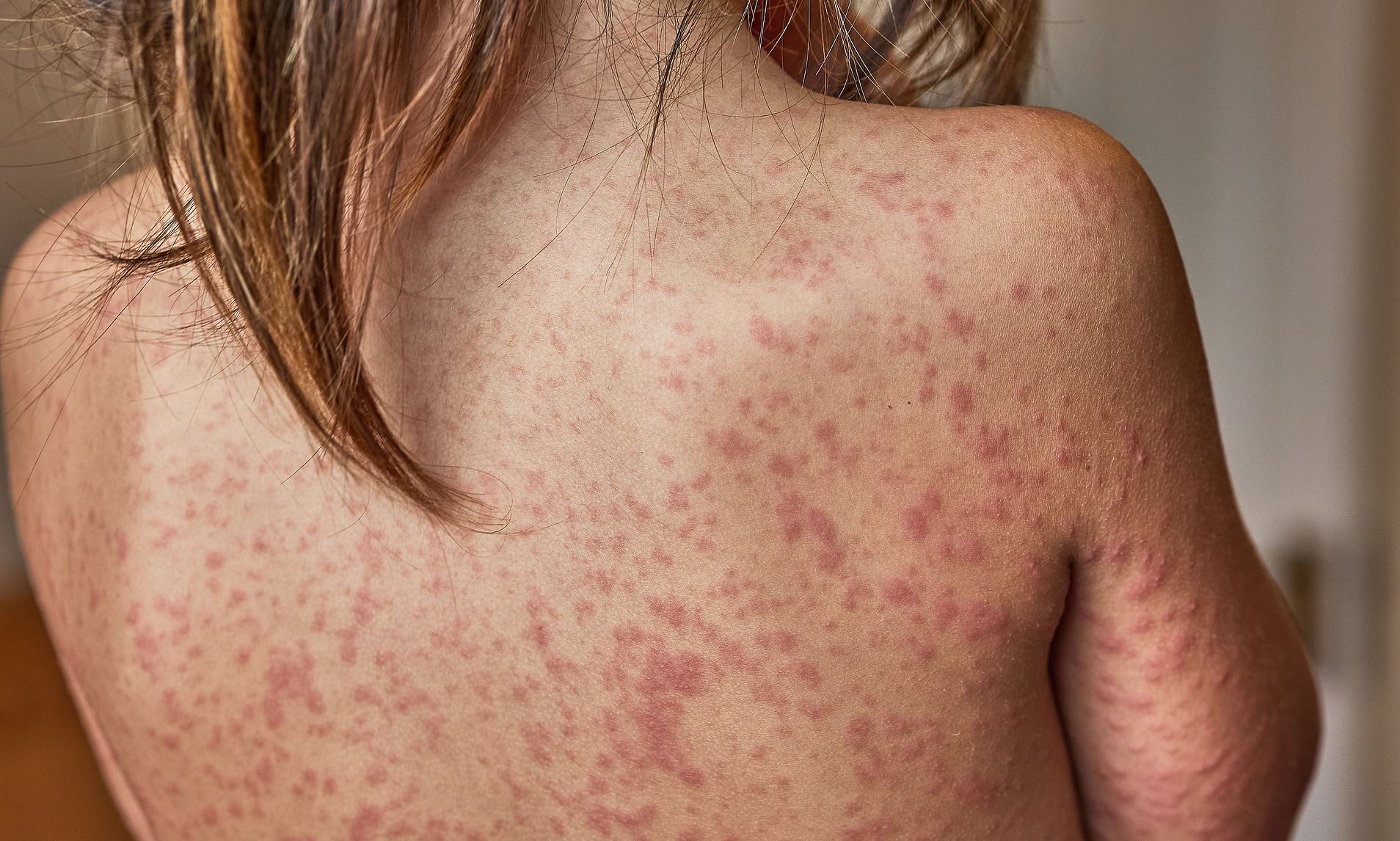
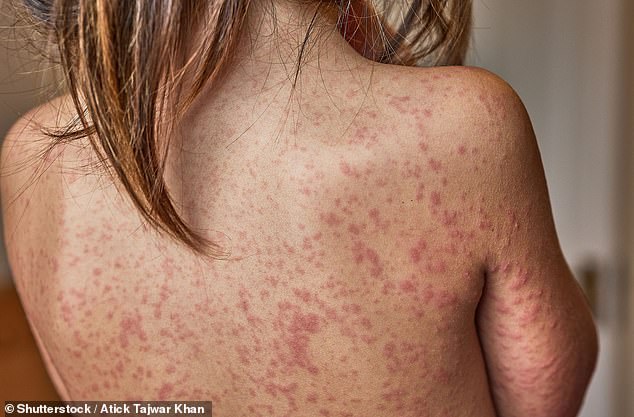
A few days after these initial symptoms appear, some individuals may develop small white spots inside their mouth. This is often followed by the distinctive measles rash, which typically begins on the face and then spreads across the rest of the body.
Declining Vaccination Rates: A Growing Concern
The decision to consider excluding unvaccinated children from school stems from alarmingly low vaccination rates. In some parts of London, as few as half of the children have received both doses of the measles, mumps, and rubella (MMR) vaccine. Uptake of this crucial vaccine has been on a downward trend for years.
It’s important to note that the MMR vaccine was updated last year to also provide protection against chickenpox (varicella). The threat of measles is not limited to children; babies, pregnant women, and individuals with compromised immune systems are also at significant risk of severe illness.
Health officials recently issued urgent appeals to parents, imploring them to ensure their children are up-to-date with their vaccinations. Experts warn that achieving at least 95 per cent population immunity is essential to prevent widespread outbreaks.
Dudu Sher-Arami, Enfield’s director of public health, has communicated with parents in the borough to curb the spread of the disease. In an effort to bolster herd immunity, temporary vaccination centres have also been established.
Factors Contributing to Low Uptake
Professor Devi Sridhar, Personal Chair of Global Public Health, expressed her concern but not surprise at the hospitalisations. “We’ve seen outbreaks over the past couple of years and as far back as 2023, the UKHSA was warning that vaccination rates were so low that around a quarter of children starting school in London were unvaccinated,” she commented.
Professor Sridhar pointed to logistical challenges faced by parents as a major contributing factor. She explained that many children were born during the COVID-19 pandemic, a period when routine vaccination programmes experienced disruptions. Even now, improved vaccination rates in some areas are often attributed to practical solutions like mobile vaccination clinics and increased flexibility for parents to attend appointments. “It’s less about parents actively refusing vaccines and more about the realities of work, childcare, and everyday pressures,” she added.
How Measles Spreads and its Severity
Measles is transmitted through airborne particles released via coughs and sneezes, as well as by touching contaminated surfaces. This mode of transmission makes schools particularly vulnerable environments for its spread.
The severity of measles can be significant:
- One in five infected children will require hospitalisation.
- Approximately one in 15 children will develop severe complications, such as meningitis or sepsis.
The MMR vaccine has been available in the UK since the late 1980s. However, vaccination rates plummeted in the late 1990s and early 2000s following a now-discredited 1998 study that falsely linked the MMR jab to autism. This unfounded claim generated widespread fear among parents, leading tens of thousands to opt out of vaccinating their children. The repercussions of this misinformation continue to be felt today, contributing to the current public health challenge.