
Melbourne Commuters Endure Terrifying Train Incident Amidst Overhead Power Failure
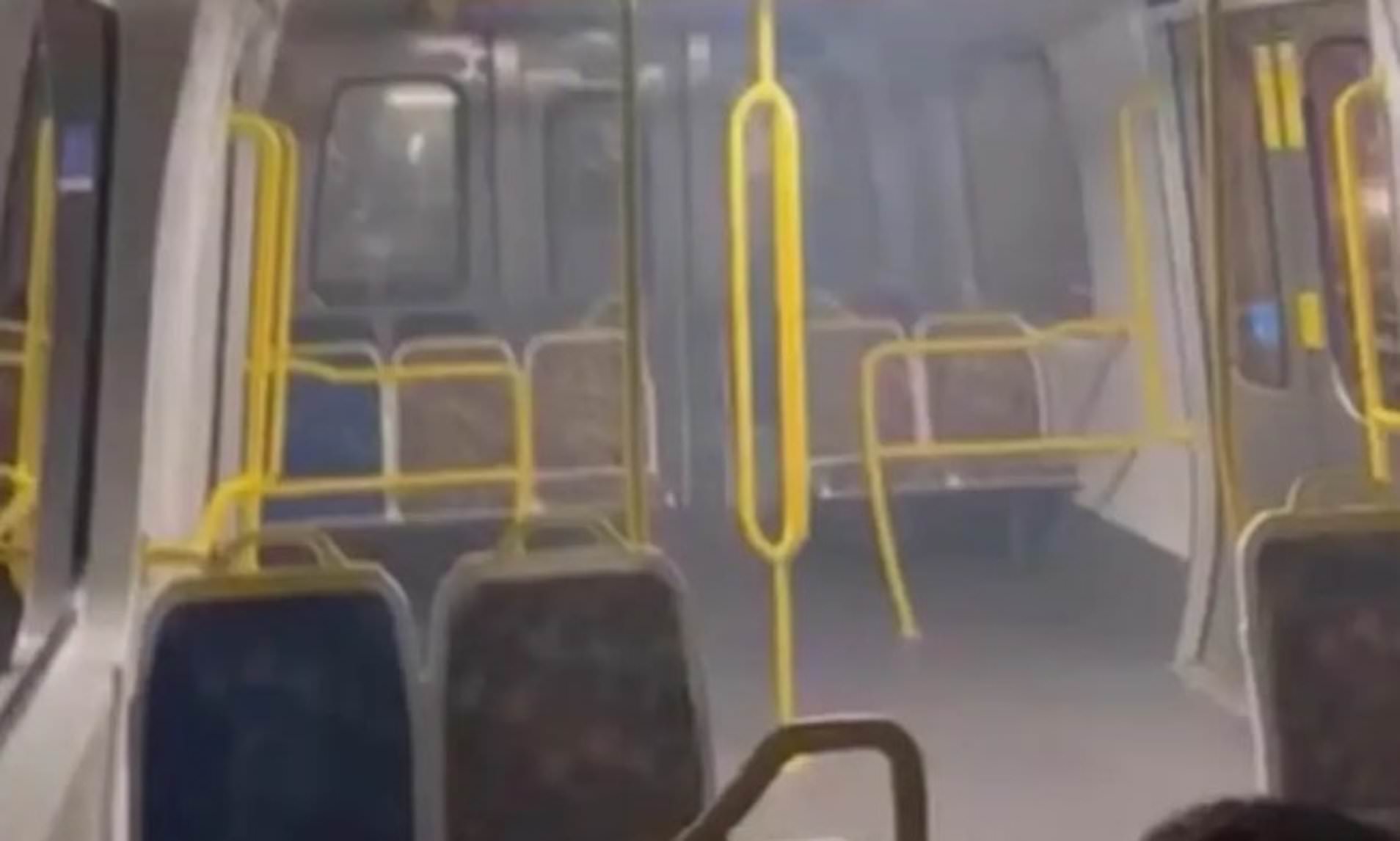
A dramatic overhead power fault plunged Melbourne commuters into a state of panic during the evening peak yesterday. The incident, which occurred on a Craigieburn line train near North Melbourne Station around 6pm, was characterised by a series of startling explosions, flashes of sparks, and billowing smoke originating from within a train carriage.
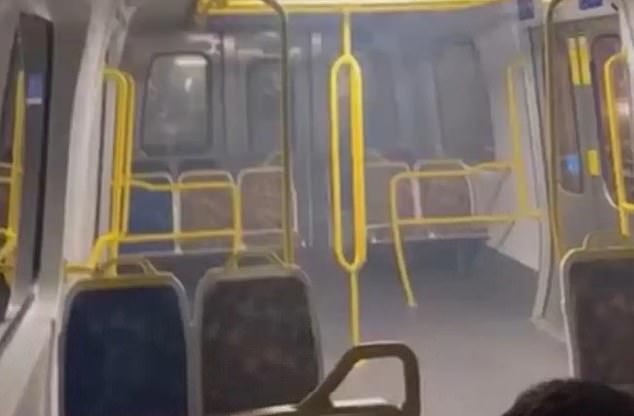
The terrifying ordeal began with several loud, echoing bangs that reverberated through the train. Passengers, caught off guard by the sudden noise and commotion, watched in horror as smoke rapidly began to fill their carriage. The situation escalated as sparks erupted overhead, sending a wave of fear through those on board. Screams of distress were heard as passengers scrambled to find safer positions within the confined space, with many trying to shield themselves from the unfolding chaos.
Metro Trains confirmed that the incident was attributed to a fault with the overhead power lines. These critical components of the electric train network are responsible for supplying the electricity that powers the trains. When a fault occurs, it can lead to a sudden surge of energy, resulting in the dramatic and dangerous displays witnessed by passengers.
The affected train found itself stranded for approximately an hour following the incident. During this period, passengers were compelled to remain inside the carriage while emergency crews worked diligently to assess the situation and implement a resolution. This extended period of confinement, coupled with the lingering fear from the initial event, undoubtedly added to the distress experienced by those on board.
The ramifications of such an incident extend beyond the immediate fear experienced by passengers. Disruptions to the public transport network can have a significant impact on the daily lives of commuters, affecting their ability to get to work, pick up children, or attend appointments. The reliability of the train system is a crucial factor for many Melburnians, and incidents like this can erode confidence in the service.
Understanding Overhead Power Faults
Overhead power lines, also known as catenary systems, are essential for powering electric trains. They consist of a network of wires suspended above the tracks, which a pantograph on the train collects power from. While generally reliable, these systems are susceptible to various issues, including:
- Weather Damage: Extreme weather conditions, such as high winds, storms, or even ice buildup in colder climates, can cause damage to the wires or supporting structures.
- Equipment Failure: Like any complex machinery, components within the overhead power system can fail due to age, wear and tear, or manufacturing defects. This can include insulators, tensioning devices, and the wires themselves.
- External Interference: Objects falling onto the tracks or wires, or even birds nesting in critical areas, can sometimes cause short circuits or physical damage.
- Maintenance Issues: Inadequate or infrequent maintenance can lead to issues being overlooked, eventually resulting in a more significant fault.
When a fault occurs in the overhead power lines, it can lead to a sudden and uncontrolled release of electrical energy. This can manifest as:
- Arcing: The electricity can jump across a gap in the system, creating bright flashes of light and intense heat.
- Explosions: The rapid heating and expansion of air or material can cause a loud bang, similar to an explosion.
- Smoke: The intense heat can vaporise or burn materials, producing smoke.
The Passenger Experience
For passengers caught in such a situation, the experience can be deeply unsettling. The sudden onset of loud noises, visual disturbances like sparks, and the presence of smoke can trigger feelings of panic and helplessness. Confined to a train carriage, with limited visibility and uncertain outcomes, the psychological impact can be significant. The extended waiting period for assistance further amplifies these anxieties.
Safety protocols are in place for such events, and the swift response of emergency services is paramount. However, the period between the initial incident and the arrival of help is often the most stressful for those involved.
Metro Trains, as the operator of the service, faces the challenge of not only responding to such incidents but also communicating effectively with affected passengers and the wider public. Transparency about the cause of the fault, the steps being taken to resolve it, and the estimated timeframes for service restoration are crucial for managing public perception and minimising inconvenience.
The incident serves as a stark reminder of the inherent risks associated with complex infrastructure like urban rail networks and the importance of robust maintenance and rapid response capabilities to ensure the safety and confidence of daily commuters.