The Evolution of Aerodynamics in MotoGP: From Daring Experiment to Integral Design
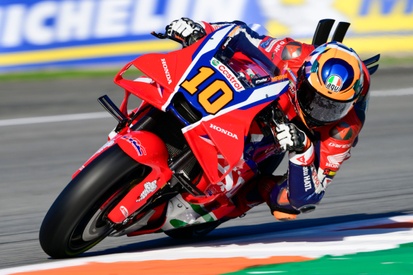
In the high-octane world of MotoGP, aerodynamic appendages have transformed from a radical experiment into an indispensable element of modern motorcycle design. Today, it’s rare to see a manufacturer’s machine without these distinctive front-mounted wings, a testament to their significant impact on performance.
The Genesis of Winglets: A Quest for Stability
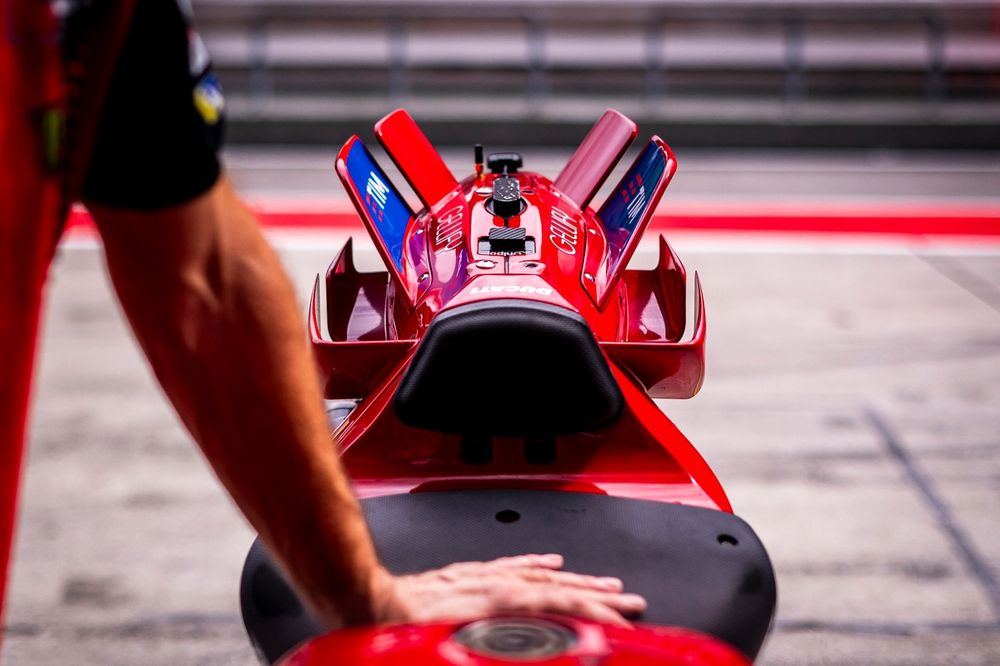
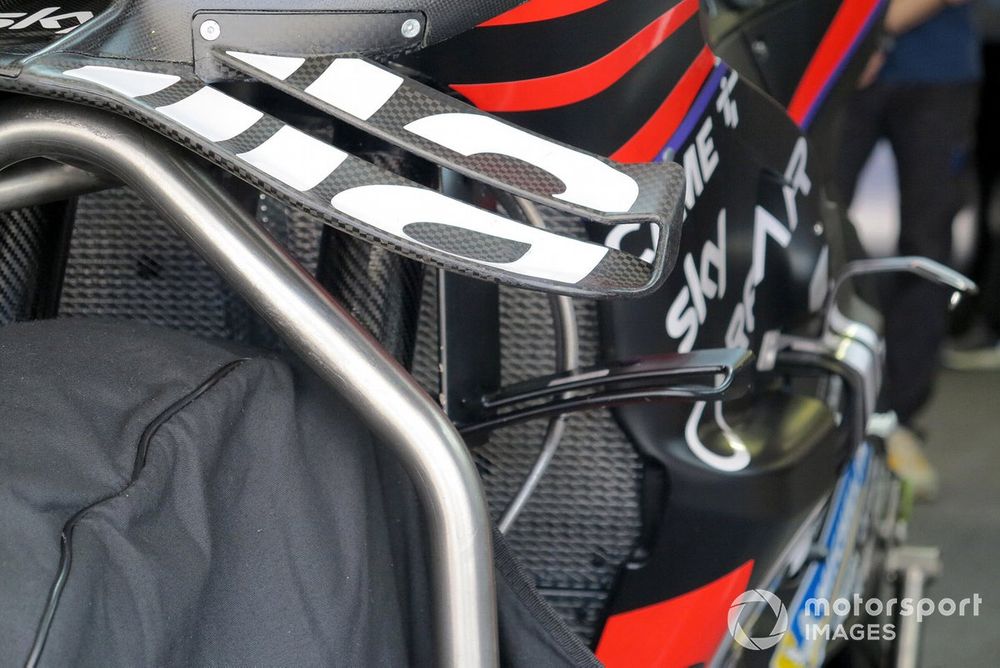
The journey of MotoGP winglets began in 2015, when Ducati unveiled a striking innovation: bodywork elements extending from the front of the bike, reminiscent of miniature wings. The primary objective behind this groundbreaking design was to enhance stability during acceleration. As MotoGP bikes grew increasingly powerful, the challenge of keeping the front wheel firmly planted on the tarmac became paramount. These winglets were engineered to generate targeted downforce, effectively pressing the front end into the track. This not only helped prevent unwanted wheelies but also allowed riders to apply the throttle earlier when exiting corners, thereby securing a crucial competitive edge. However, this undeniable success also ignited a wave of criticism.
Initial Ban: Safety and Cost Concerns
The introduction of winglets was met with significant pushback from various quarters. Several teams voiced concerns over escalating costs associated with extensive aerodynamic development. Beyond the financial implications, safety became a major point of contention. Riders and officials alike highlighted the potential dangers posed by the sharp carbon fibre elements. In the event of a crash, these protruding parts could inflict serious injuries on riders, and even during close-quarters racing and overtakes, they presented a hazard. Recognizing these risks, the FIM (Fédération Internationale de Motocyclisme) intervened in 2016, leading to a ban on the then-protruding winglet designs.
The rationale for the ban extended beyond mere safety considerations. The FIM also sought to prevent MotoGP from devolving into an uncontrolled “arms race,” where teams with vast financial resources could dominate through relentless technological advancements, leaving others struggling to keep pace.
The Comeback: Integration and Aerobodies
The ban on protruding winglets did not signal an end to aerodynamic innovation but rather ushered in a new, more regulated era. From the 2017 season onwards, the rules were revised to permit aerodynamic elements, but with a critical stipulation: they had to be seamlessly integrated into the bike’s bodywork. This effectively eliminated the sharp, protruding components that had raised safety concerns.
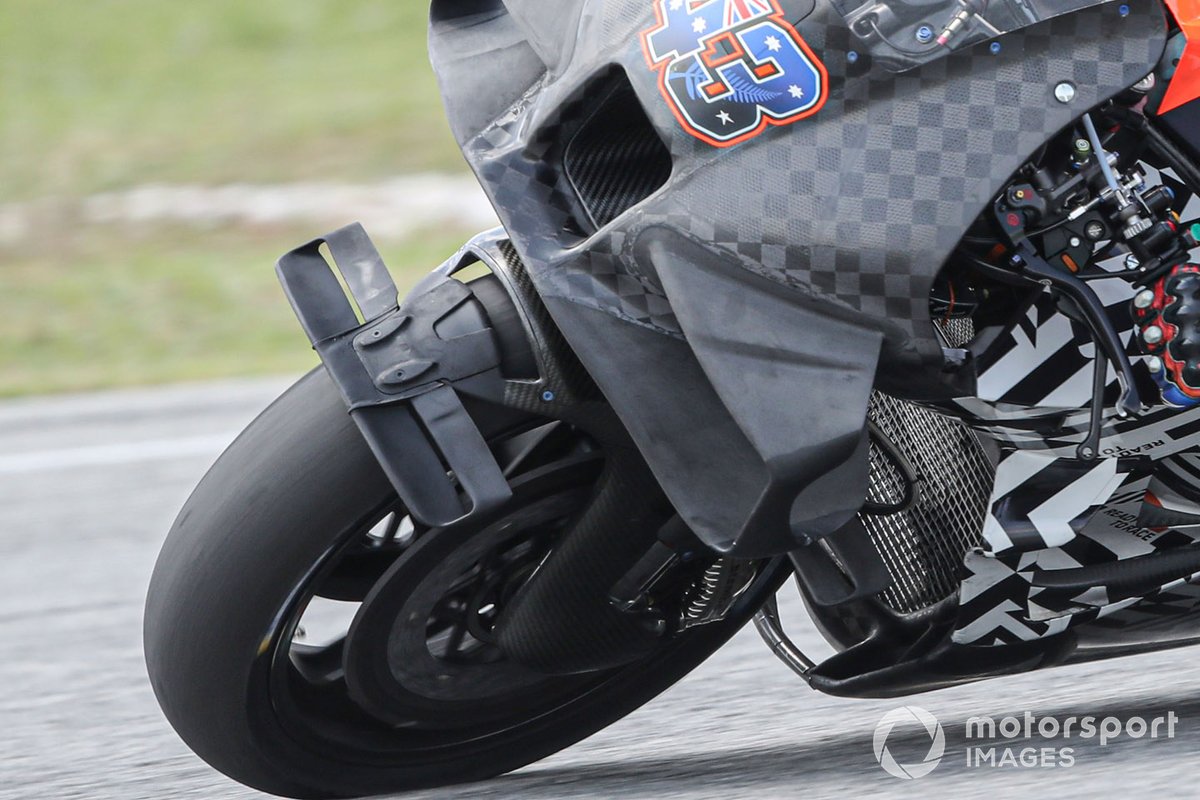
This regulatory shift prompted a fundamental reevaluation of design philosophies. Instead of visible, add-on wings, manufacturers began developing intricate fairing shapes incorporating internal air channels – commonly referred to as “aerobodies.” These complex designs required homologation by the FIM, and teams were restricted to a limited number of approved designs per season. This measure aimed to curb the constant, resource-intensive testing of new aerodynamic fairings, striking a balance between fostering innovation and controlling expenditure. This marked the dawn of the modern era of MotoGP aerodynamics. Today’s machines showcase sophisticated multi-stage wings, strategically placed side guides, diffusers, and even winglets integrated into the swingarm, all meticulously designed to optimize airflow. The benefits are tangible: enhanced downforce improves stability under braking, facilitates smoother high-speed cornering, and boosts grip during acceleration out of turns. Airflow is deliberately managed to enhance the motorcycle’s controllability across all riding phases.
The Double-Edged Sword: Aerodynamics and Racing Dynamics
Despite their performance advantages, these sophisticated aerodynamic aids are not without their drawbacks. A significant concern among many riders is that while aerodynamics enables blistering lap times, it can detract from the quality and excitement of the racing itself.
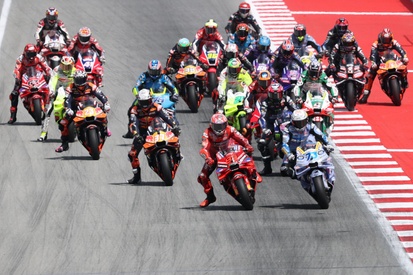
The very design of winglets and advanced fairings creates a powerful wake of turbulent air, often referred to as “dirty air,” trailing behind the leading motorcycle. This disrupted airflow makes it exceedingly difficult for a following rider to maintain a close proximity to the bike ahead without experiencing a significant loss of front-end pressure. Consequently, the following bike becomes less stable, and tyre pressures, particularly on the front, tend to rise alarmingly. Furthermore, the compromised airflow reduces the effectiveness of cooling systems, which can lead to dangerous pressure spikes within the tyres. This reduction in grip not only makes overtaking a more formidable challenge but also, many argue, diminishes the classic wheel-to-wheel duels that have long been a hallmark of MotoGP, thereby impacting the sport’s inherent excitement.
Reshaping the Future: New Aerodynamic Restrictions from 2027
In response to these growing concerns and in an effort to promote closer racing, the FIM has introduced substantial technical changes, particularly targeting aerodynamics, with new regulations set to take effect from the 2027 season. The overarching objective is to lessen the profound impact of winglets and fairing design on a bike’s handling characteristics, thereby facilitating more frequent and competitive close-quarters racing.
Key among these forthcoming changes are significant dimensional restrictions. The maximum width of the front fairing will be reduced from 600mm to 550mm. Additionally, the foremost point of the motorcycle’s “nose” will be repositioned 50mm further back. The height of rear aerodynamic components will also see a reduction of approximately 100mm. To further control development and prevent constant iteration, manufacturers will be permitted to update this rear aerodynamic area only once per season.
These measures are specifically designed to curb the aerodynamic advantage conferred by large winglets and to mitigate the effects of dirty air. Essentially, manufacturers will have less physical space to design and implement wide, prominent wings.
Beyond fairings, ride-height devices and holeshot systems, which previously allowed riders to temporarily lower the suspension to optimize balance and launch performance, will be completely banned in 2027. With the implementation of these new regulations, the FIM aims to shift the competitive balance back towards rider skill, reducing the overwhelming influence of pure aerodynamic performance. While many in the sport welcome these changes, anticipating closer battles and a reduction in front-tyre overheating issues, some express reservations, questioning whether these aerodynamic restrictions go far enough to achieve the desired outcome.