AFL Legend Sam Newman’s Terrifying Health Scare: A Brush with Death After Mini-Strokes
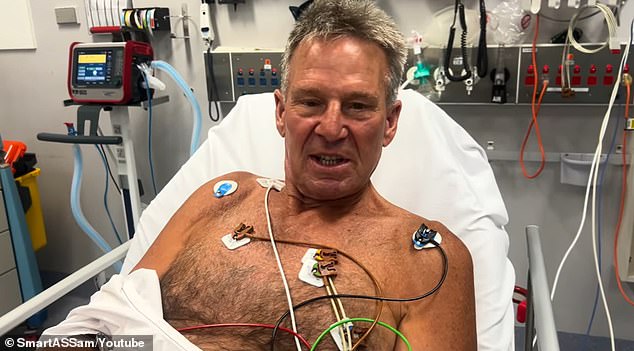
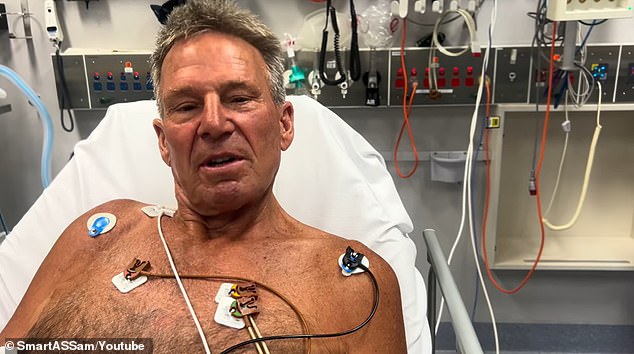
AFL icon Sam Newman has opened up about a harrowing health emergency that left him struggling to speak and facing a potentially fatal outcome. The 80-year-old Geelong Cats legend endured a tense 10-day stay at The Alfred Hospital after experiencing two transient ischemic attacks (TIAs), commonly known as mini-strokes, while out with his partner, Sue Stanley, in Port Melbourne.
Newman, known for his outspoken nature and trademark humour, recounted the frightening ordeal in a video documenting his hospitalisation, crediting Stanley’s swift actions with saving his life.
“If this had happened then, it might have been a different story,” Newman stated, his voice reflecting the gravity of the situation. “I suffered a medical episode and, if Sue hadn’t been with me and summoned the help that she did, I probably wouldn’t be here.”
The video then flashed back to the distressing moments when Newman began experiencing speech impairment. It was Sue who recognised the severity of his condition, raising the alarm.


“This is no laughing matter. Seriously, I think you’re having a stroke,” Stanley can be heard telling him. Newman, who was in his car at the time, was observed laughing and repeating, “I can’t speak, I can’t speak.”
Emergency services were immediately dispatched, rushing Newman to the hospital. A battery of tests followed, ultimately revealing that he had suffered two mini-strokes. The cause was identified as a narrowing artery supplying blood to his brain.
“A little fleck of blood went into my brain, and I lost speech temporarily, and I lost strength in both my arms, but that was very short-lived, five minutes,” Newman explained. “I have had a stroke, I have had two little strokes.”
Following the diagnosis, surgeons performed a crucial procedure to widen the carotid artery on the left side of his neck. This intervention was designed to prevent further blood clots from travelling to his brain, a significant risk factor for future strokes.
“I’ve had an MRI, an ultrasound and had a bevy of tests and I’ve just finally had the operation to widen the artery which goes into my brain,” Newman shared.
Despite the life-threatening nature of his condition, Newman maintained his characteristic sense of humour, even joking about the array of medical equipment surrounding him in the hospital. “And this is the start of an AI robot they’re building here and I’m just a guinea pig,” he quipped.
Medical professionals explained to Newman that the narrowed artery was likely allowing small blood clots to break off and travel to his brain, triggering the episodes he experienced. “They think there were blood clots getting into my brain and that’s why I was unstable,” he elaborated.
Newman expressed profound gratitude for the exceptional care he received during his hospital stay, highlighting the dedication of the healthcare staff. “I have to say, well everyone says this, but the staff are fantastic,” he remarked. “This is a public hospital because the ambulance brought me here.”
The former Geelong star, who played an impressive 300 games for the club before forging a successful media career, including co-hosting The Footy Show, has since returned home to continue his recovery. However, the scare has undoubtedly left a lasting impact on the veteran broadcaster.
“And in all seriousness, this is not a small issue,” Newman concluded in his video update, underscoring the critical importance of health awareness and prompt medical attention.
Key Takeaways from Sam Newman’s Experience:
- Recognising the Signs: Newman’s episode highlights the critical importance of recognising the symptoms of a stroke or TIA, such as speech difficulties and loss of strength.
- The Role of a Partner: Sue Stanley’s quick thinking and immediate call for help were instrumental in Newman receiving timely medical treatment. This underscores the value of having someone aware of your well-being.
- Understanding TIAs: Transient Ischemic Attacks are often referred to as “mini-strokes” and can serve as a warning sign for a more significant stroke. Prompt medical evaluation is crucial.
- Medical Interventions: Procedures like carotid artery widening can significantly reduce the risk of future strokes by improving blood flow.
- Gratitude for Healthcare: Newman’s praise for the hospital staff reinforces the vital role of healthcare professionals and public hospitals in saving lives.
- Health is Paramount: This experience serves as a stark reminder that health is a precious commodity, and proactive measures, combined with swift action in emergencies, can make all the difference.