Coast Guard Pilot Briefly Removed from Duty Over Missing Blanket Amidst DHS Scrutiny
Renewed questions are swirling around Homeland Security Secretary Kristi Noem’s leadership following reports of a U.S. Coast Guard pilot being temporarily removed from duty mid-flight. The peculiar incident reportedly stemmed from a missing blanket, a personal item that failed to make the transition when Noem’s team had to switch aircraft due to an unexpected maintenance issue.
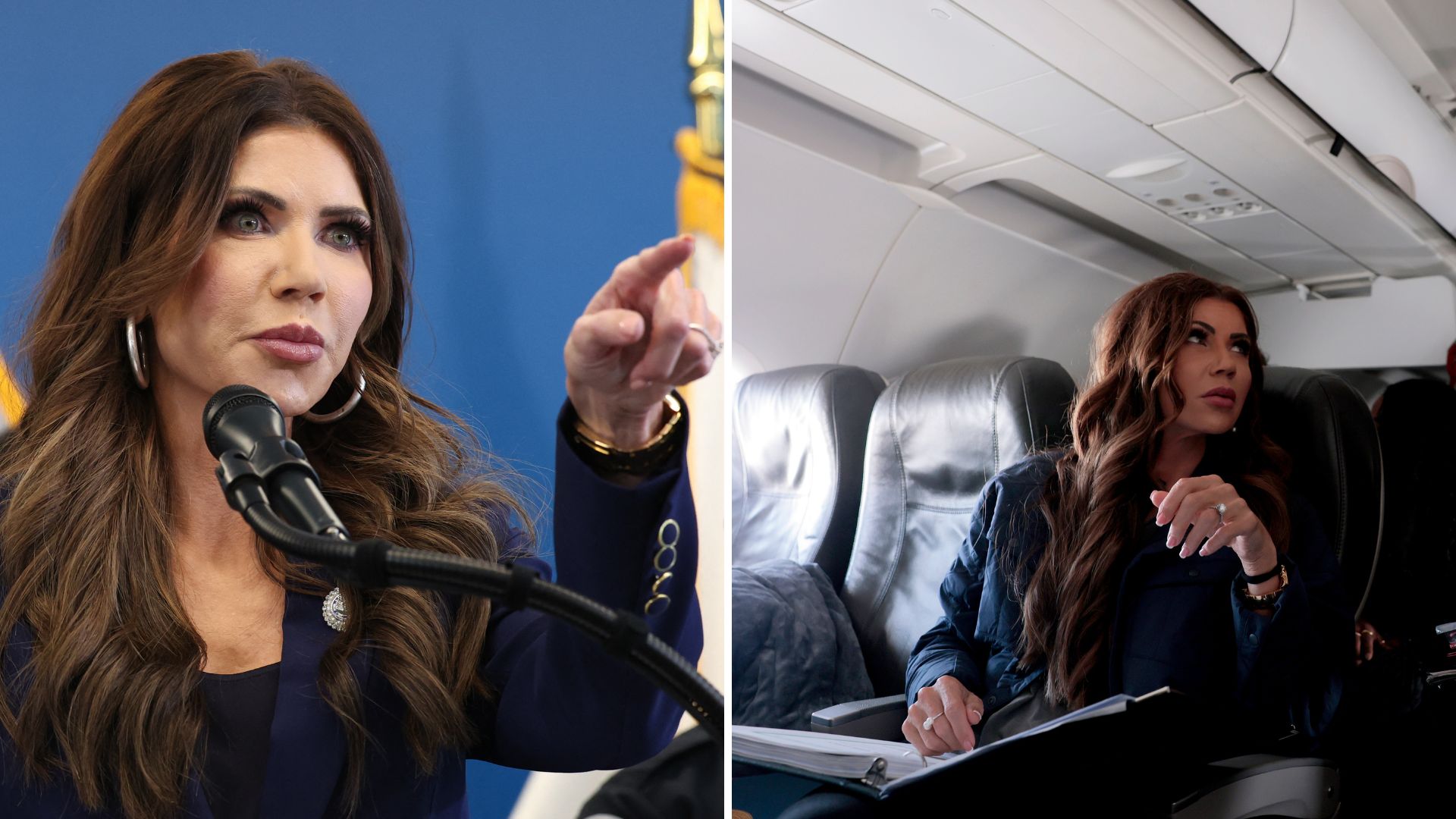
The episode unfolded during an official trip. After a mechanical problem necessitated a change of planes, Noem’s staff discovered that a blanket they expected to be on board was absent from the new aircraft. According to accounts of the event, the blanket had been left behind on the original plane. In response, the pilot was informed that he had been terminated and would need to arrange his own commercial flight home upon landing.
However, the situation quickly became untenable. It soon became apparent to staffers that there was no alternative pilot available to fly the government aircraft back to its base. This critical operational gap led to an immediate reversal of the decision, and the same pilot was reinstated to ensure the delegation could complete its journey. The pilot involved has not been publicly identified, and the reporting did not indicate any formal disciplinary proceedings beyond the initial on-the-spot order and its subsequent rescission.
Personal Item Sparks Operational Concerns
The incident has drawn significant attention, particularly because it involved operational personnel from a uniformed service, who ultimately report to a civilian cabinet secretary. It is important to note that during peacetime, the U.S. Coast Guard operates under the Department of Homeland Security. This arrangement allows Coast Guard aviation crews to be tasked with transporting senior Department of Homeland Security (DHS) officials on official government missions.
In this particular instance, the dispute did not revolve around flight safety protocols or essential mission requirements. Instead, the controversy centered on a personal item that had not been transferred between aircraft during a last-minute change of plans. This detail has fueled considerable criticism, suggesting that the authority vested in a cabinet-level office was wielded impulsively against a member of the armed forces. The swift reinstatement of the pilot, necessitated by the immediate need to return the aircraft, has become a key element of the narrative, highlighting the often-fragile operational redundancy present on specialized government flights.
Departmental Focus and the Influence of Advisers
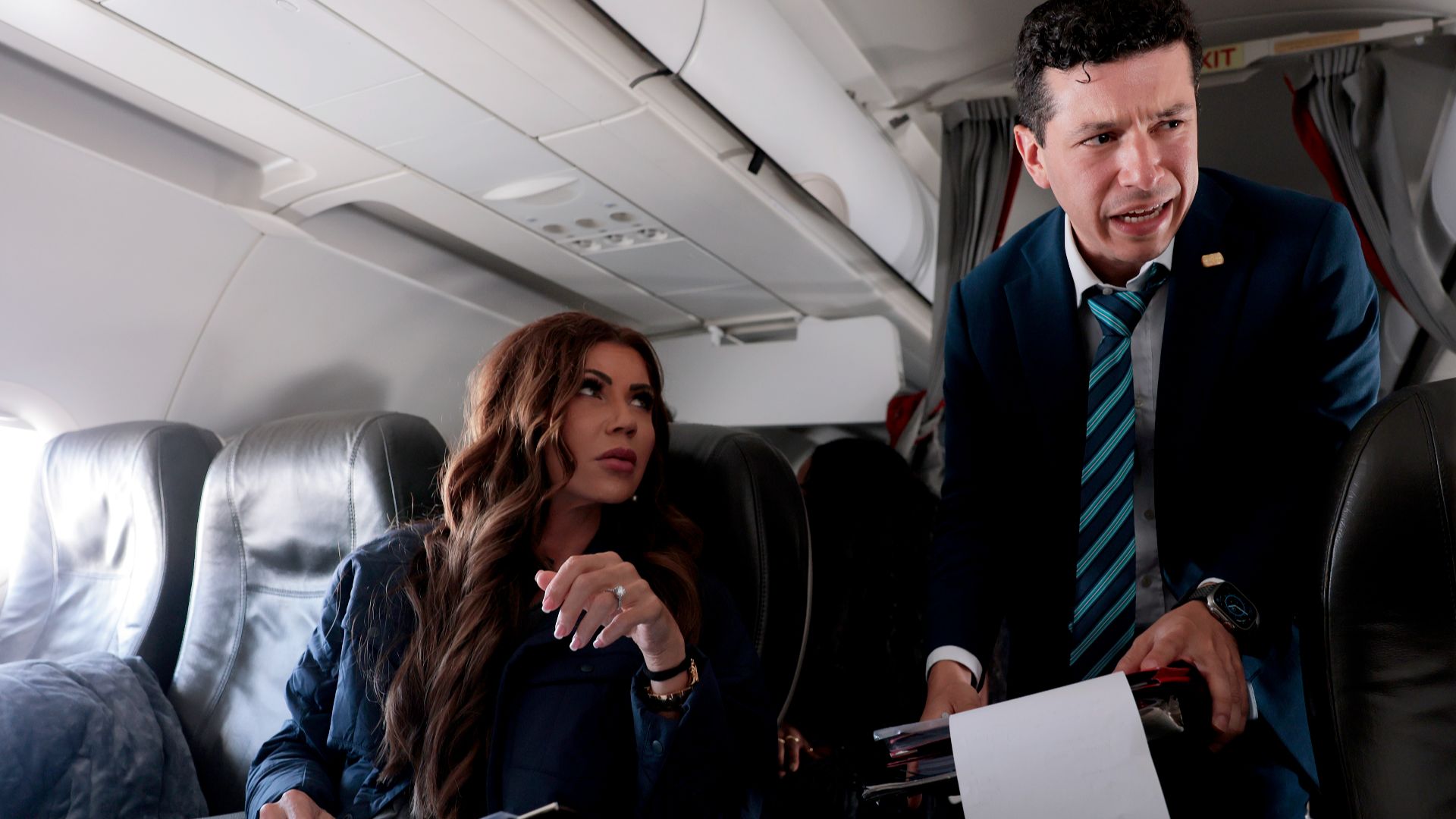
Further complicating the narrative, reports suggest that Corey Lewandowski, a close adviser to Secretary Noem and a seasoned political operative with ties to the Trump administration, was the individual who communicated the instruction to remove the pilot. Lewandowski has been described in coverage of the incident as holding a special government employee status while simultaneously exerting considerable day-to-day influence within the DHS.
The implications of this status are significant. It is typically reserved for individuals providing limited advisory services. However, the reporting portrays Lewandowski as actively directing internal decisions and acting as a de facto gatekeeper for the Secretary.
This episode has inevitably become intertwined with broader concerns regarding the lines of authority within the department and the formal documentation of decision-making processes. While Secretary Noem and her team have publicly defended the department’s strategic focus and priorities, the blanket incident has placed Lewandowski’s practical influence under a more intense spotlight. It effectively positioned a political adviser at the center of a sudden personnel action involving a military chain of command.
Political Pressure and Broader DHS Tensions
The blanket episode did not occur in a vacuum; it landed amidst a period of considerable internal turbulence within the DHS. Secretary Noem’s leadership style and management approach have been subjected to extensive scrutiny. The same wave of reporting that brought the in-flight firing to light also detailed significant internal friction, confrontational interactions with senior staff, and an atmosphere that some officials have characterized as increasingly combative.
The department’s internal tensions have also been linked to external political pressures. This includes heightened scrutiny following a fatal Immigration and Customs Enforcement operation in Minneapolis, which resulted in the deaths of two civilians, Renee Good and Alex Pretti. This tragic event intensified existing questions surrounding oversight, command discipline, and decision-making processes during enforcement actions.
Within this broader context, the pilot incident has been viewed less as an isolated outburst and more as another instance of impulsive decision-making with tangible consequences for personnel who are not political appointees. Critics have voiced concerns that the daily operations of the department are too critical to tolerate what they perceive as impulsive management, particularly at a time when the agency is facing public scrutiny over lethal operations.
Official Defenses and the Unanswered Question
The administration has publicly defended Secretary Noem. A frequently cited statement from White House Press Secretary Karoline Leavitt asserted, “President Trump and Secretary Noem have ensured the most secure border in our Nation’s history and our homeland is undoubtedly safer today than it was when the President took office last year.”
Noem’s team has also pushed back against narratives suggesting internal drama. A DHS spokesperson, as reported by The Wall Street Journal, stated, “This Department doesn’t waste time with salacious, baseless gossip.”
These public statements tend to frame the controversy as a distraction from policy achievements. However, they have not directly addressed the specific, granular question raised by the blanket episode: why an operational pilot was removed mid-trip over a missing personal item, only to be reinstated because no other personnel were available to fly the aircraft. The stark contrast between broad claims of success and the detailed account of the pilot’s brief dismissal has become a significant element of the political debate surrounding Noem’s tenure.

The Significance of the Missing Blanket
By the conclusion of the trip, the missing blanket itself had receded in importance, overshadowed by the more profound questions raised by the decision to remove and subsequently reinstate the pilot. The incident has effectively focused attention on the exercise of authority within a department tasked with critical national security operations and the management of uniformed personnel. The pilot’s reinstatement, a direct result of the absence of a readily available replacement, vividly underscored the operational realities that govern specialized government flights. While no formal disciplinary actions have been publicly disclosed, and the pilot remains unidentified, this incident has undeniably added to the ongoing scrutiny of leadership practices at the DHS and the influential role that senior advisers can play in personnel decisions.