Sweeping Reforms to Hit NSW Property Market: Price Guides Mandatory, Fines Skyrocket
The New South Wales property market is set to undergo significant changes this week with the introduction of new legislation aimed at bolstering transparency and protecting homebuyers. Under the proposed laws, property sellers will be compelled to include a price guide in all their advertising, while real estate agents face a drastic fivefold increase in fines for the practice of underquoting. These measures are designed to curb misleading pricing tactics that have historically inflated buyer interest and wasted valuable time for prospective purchasers.
The NSW government has signalled its intent to crack down on agents providing deceptive price estimates on property listings, a practice often employed to artificially boost demand. The new legislation, first flagged last year, represents a substantial shift towards a more regulated and equitable property sector.
Key Changes on the Horizon:
- Mandatory Price Guides: All property advertisements will be required to feature a price guide, ensuring buyers have a clearer indication of a property’s expected sale price from the outset. This aims to prevent potential buyers from investing time and resources into properties that are significantly outside their budget.
- Increased Fines for Underquoting: Real estate agents caught engaging in underquoting, a practice where a property is advertised at a price lower than the vendor’s actual asking price or the agent’s genuine belief of its value, will face substantial penalties. The maximum fine will surge to $110,000, a fivefold increase from the previous $22,000. Alternatively, agents could be fined up to three times their commission, with the greater of the two amounts being applicable. This significant financial deterrent is intended to make underquoting a prohibitive business practice.
- “Dummy Bidding” Penalties: The practice of “dummy bidding,” where an agent or seller makes fake bids to artificially inflate the price of a property at auction, will also attract a hefty $110,000 fine. This measure aims to ensure the integrity of the auction process.
- “Statement of Information” Requirement: Beyond the price guide, agents will be mandated to publish a “statement of information.” This document will provide buyers with crucial insights into how the price guide was determined. It will include details on comparable sales in the area and average property prices, offering a more comprehensive understanding of the property’s market valuation.
- Prohibition on Advertising Rejected Prices: Agents will be prohibited from advertising a property for sale at a price that has previously been rejected by the seller. This prevents the misleading tactic of re-listing a property at a seemingly lower price after initial objections.
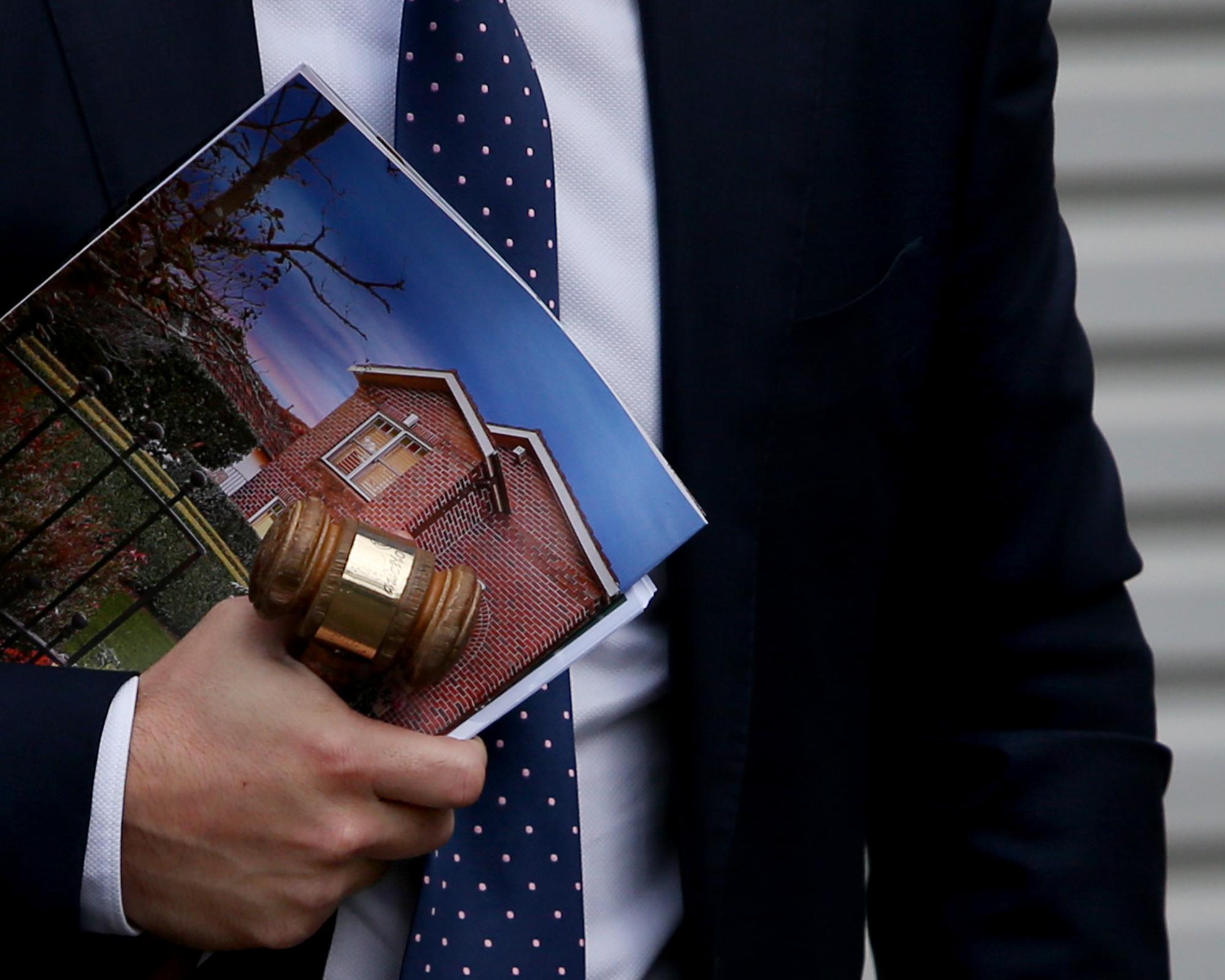
A National Trend Towards Greater Disclosure
The move by the NSW government aligns with a growing national momentum for increased regulation within the real estate sector. Victoria, for instance, announced similar disclosure rules last week, compelling agents to publish sale prices. Furthermore, if re-elected, the Labor party in Victoria has pledged to introduce mandatory building and pest inspections, with vendors bearing the cost. This indicates a broader shift across Australia towards greater transparency and consumer protection in property transactions.
Empowering Buyers and Upholding Market Integrity
The NSW Fair Trading Minister, Anoulack Chanthivong, emphasised the government’s commitment to fostering a “fair property market that works for everyone.” He stated, “These reforms are a significant step forward in protecting homebuyers from unscrupulous real estate agents taking advantage of a tight housing market.”
Minister Chanthivong further elaborated on the intent behind the legislation, asserting, “We are ensuring misconduct can no longer be written off as a cost of doing business, but as a meaningful deterrent.” The changes are expected to significantly empower NSW Fair Trading to address misrepresentations of property prices more effectively. This will be achieved through stronger disciplinary actions, enhanced enforcement tools, and improvements to mandatory education and professional standards for real estate agents. The overarching goal is to create a more trustworthy and reliable property market for all participants.