
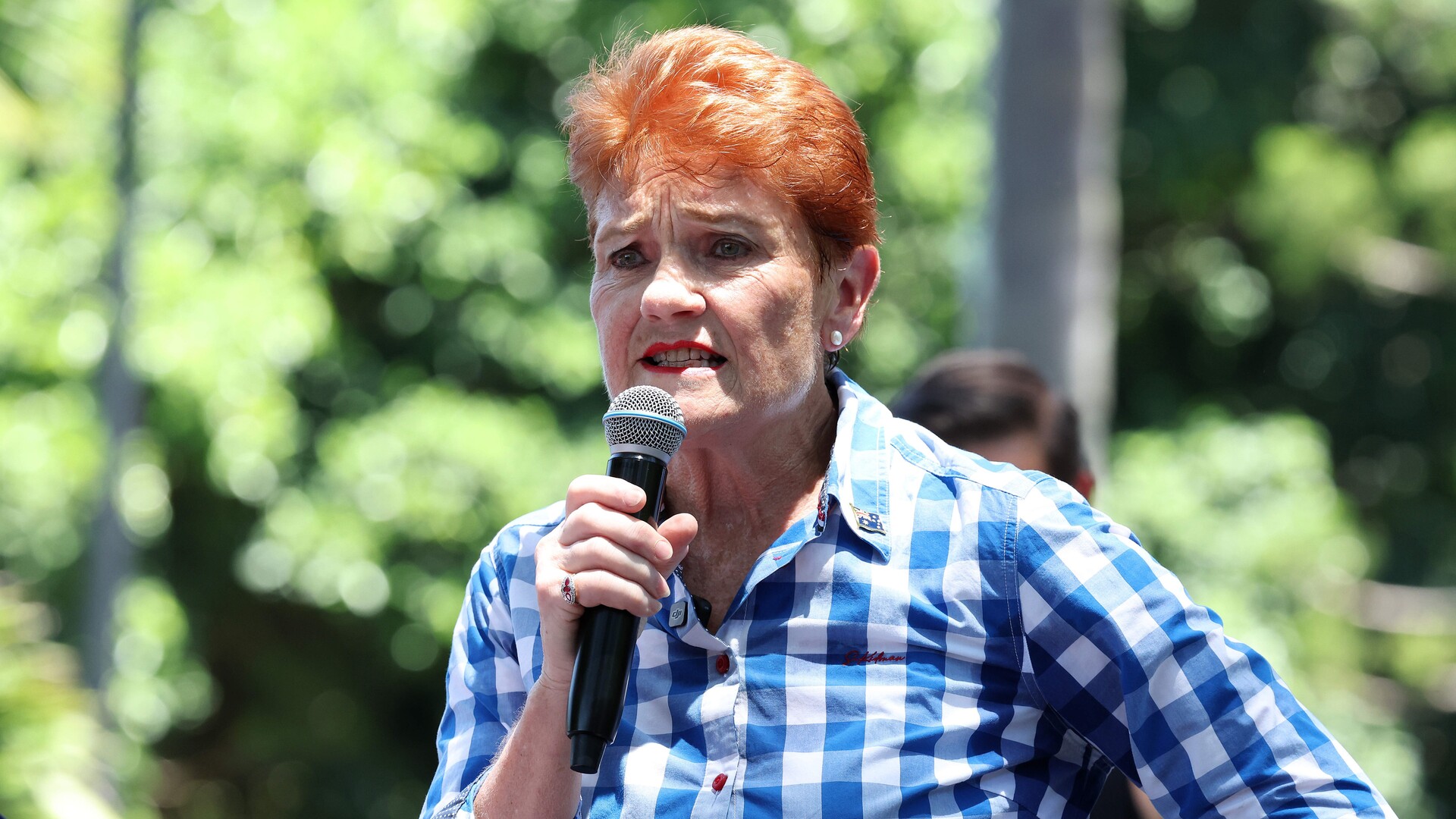
One Nation’s Strategic Resurgence: Gearing Up for the Federal Election
Punters and political commentators are flagging a significant shift in the operational capacity of Pauline Hanson’s One Nation party, suggesting a concerted effort to bolster its ranks and present a more formidable challenge in the upcoming federal election. According to insights from Sky News political contributor Chris Uhlmann, the party is undergoing a period of significant organisational development, a stark contrast to its perceived historical shortcomings.
“One Nation is now organised, which is something they have lacked in the past,” Uhlmann stated, highlighting a newfound strategic approach. This organisational overhaul appears to be a key focus, with the party actively seeking to recruit and meticulously vet potential candidates from across the nation. This proactive candidate selection process signifies a departure from previous electoral campaigns, where the party may have struggled with consistent and well-prepared representation.
The implications of this renewed organisational drive are potentially far-reaching for the Australian political landscape. A more structured and strategically positioned One Nation could exert greater influence on policy debates and electoral outcomes, particularly in regional and suburban electorates where the party has historically found traction.
Key Areas of Focus for One Nation’s Revival:
Candidate Recruitment and Vetting:
The party is reportedly investing considerable effort in identifying and assessing individuals who can effectively represent its platform. This includes a more rigorous vetting process, aimed at ensuring candidates are not only aligned with One Nation’s core values but also possess the skills and commitment to engage meaningfully with voters. The goal is to present a slate of candidates who are well-prepared and capable of articulating the party’s message clearly and persuasively.Organisational Structure and Strategy:
Uhlmann’s observations point to a deliberate effort to build a more robust and efficient organisational backbone for the party. This could involve streamlining internal processes, improving communication channels, and developing a more coherent national strategy. A well-oiled party machine is crucial for effective campaigning, from grassroots mobilisation to media engagement and policy development.Targeting Key Electorates:
While not explicitly detailed in the initial commentary, a revitalised One Nation is likely to be strategically targeting specific federal electorates where its message resonates most strongly. This could include areas that have experienced economic challenges, feel overlooked by mainstream political parties, or are receptive to One Nation’s populist appeal. Understanding and capitalising on these specific demographic and geographic factors will be crucial for electoral success.
The political commentary suggests that One Nation is moving beyond its previous operational limitations. The emphasis on “proper vetting” for the first time indicates a commitment to quality over quantity, aiming to field candidates who can withstand scrutiny and effectively advocate for the party’s agenda. This strategic pivot, if successful, could see One Nation emerge as a more significant player in Australian federal politics, potentially influencing the direction of policy and challenging the dominance of established parties. The upcoming federal election will undoubtedly be a key barometer for the effectiveness of these organisational reforms and the party’s ability to translate them into electoral gains. The political discourse surrounding One Nation’s preparedness suggests a party that is not only present but actively preparing to contend.


