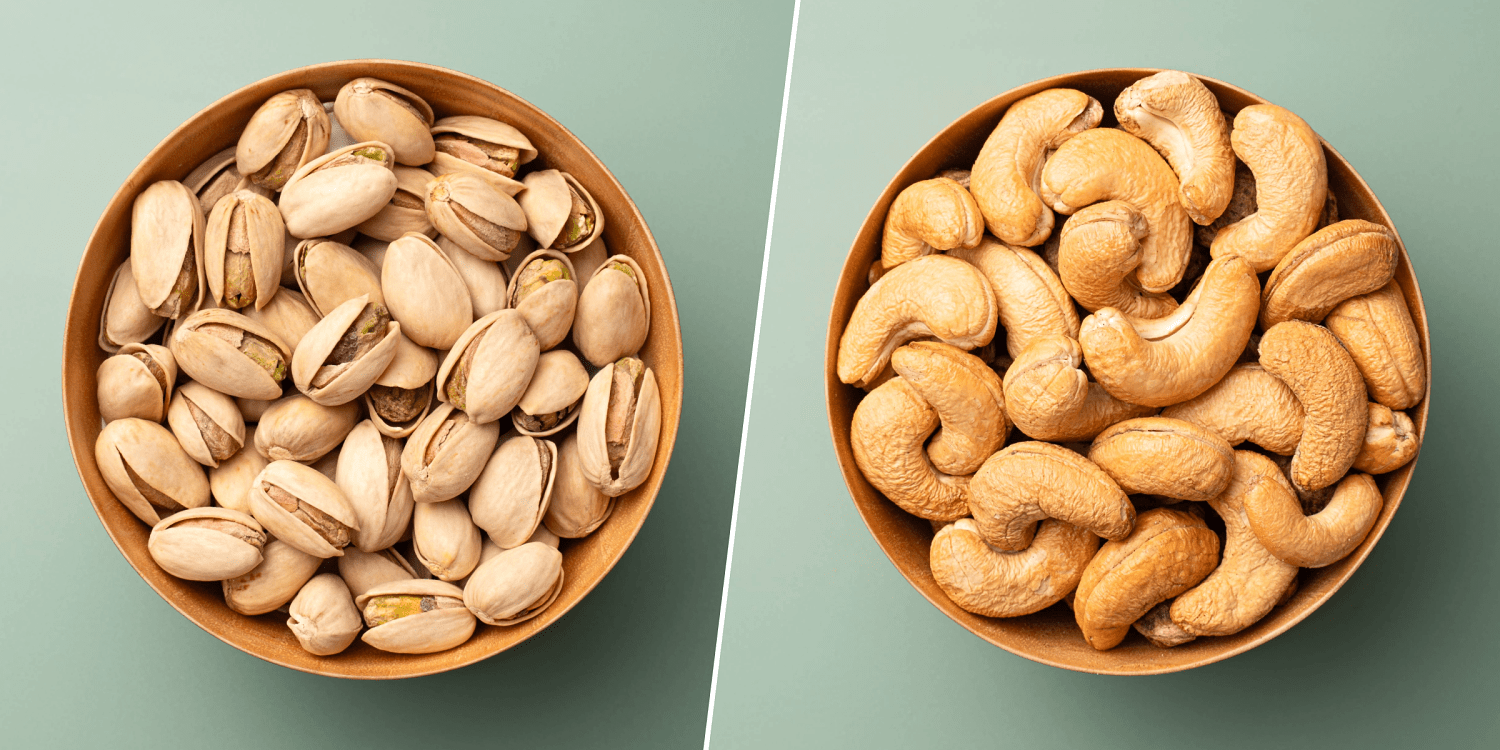
When it comes to satisfying snacks, nuts are hard to beat. Packed with protein, fibre, and healthy fats, they offer a delightful crunch and leave you feeling fuller for longer. Beyond these core benefits, many varieties are also good sources of antioxidant vitamin E, B vitamins, and magnesium. However, as a registered dietitian and nutrition editor, Natalie Rizzo points out, each type of nut boasts its own unique nutritional makeup. This means that for those aiming to boost specific nutrients like protein, fibre, or magnesium, some nuts might be more effective choices than others. So, if you’re torn between pistachios and cashews, which one should you be reaching for?
Pistachios: A Nutritional Powerhouse
Let’s break down the nutritional profile of pistachios. A standard 1-ounce serving of dry-roasted, unsalted pistachios provides:
- Calories: 162
- Protein: 6 grams
- Fat: 13 grams
- Carbohydrates: 8 grams
- Fibre: 3 grams
Cashews: Creamy Goodness
In comparison, one ounce of roasted, unsalted cashews offers:
- Calories: 163
- Protein: 4 grams
- Fat: 13 grams
- Carbohydrates: 9 grams
- Fibre: 1 gram
Diving Deeper: Key Nutrients
The daily protein requirement varies based on factors like age, fitness aspirations, and activity levels. However, consuming adequate protein throughout the day is crucial for overall health. Experts suggest aiming for at least 20 grams of protein per meal. While nuts aren’t a primary protein source, they can certainly contribute to your daily intake. Both pistachios and cashews offer plant-based protein, but pistachios take the lead with 6 grams per ounce, compared to cashews’ 4 grams.
Fibre is another essential nutrient that many Australians don’t get enough of. It plays a vital role in digestion, supports heart health, helps manage cholesterol levels, and regulates blood sugar. The recommended daily intake for adults is generally between 25-38 grams, yet most fall significantly short. As plant-based foods, nuts are a reliable source of gut-friendly fibre. Again, pistachios come out on top, providing 3 grams of fibre per ounce, while cashews offer 1 gram in the same serving size.
Beyond Protein and Fibre: A Spectrum of Benefits
Nuts are brimming with a wide array of healthy nutrients, ensuring that whichever variety you choose, you’re opting for a nutritious and satisfying snack. However, each nut type offers a distinct profile of vitamins, minerals, and antioxidants.
Pistachios are particularly rich in various B vitamins, along with natural melatonin and tryptophan, which are known for their sleep-promoting properties. Their distinctive green colour comes from two powerful antioxidants, lutein and zeaxanthin. According to Rizzo, these compounds not only contribute to the nut’s vibrant hue but also support overall eye health and possess anti-inflammatory properties.
Cashews, on the other hand, are an excellent source of magnesium, delivering approximately 20% of your daily recommended intake with just one ounce. They also contain manganese, a trace mineral essential for immune function, bone health, and metabolism. Additionally, cashews provide zinc, vitamin K, and phosphorus. Registered dietitian Erin Palinski-Wade highlights that cashews are also a fantastic source of copper, with a single ounce providing nearly your entire daily copper needs. As with all nuts, both pistachios and cashews are loaded with heart-healthy fats.
Pistachios vs. Cashews: Which Reigns Supreme?
Both pistachios and cashews are undeniably healthy and can seamlessly fit into well-regarded dietary plans such as the DASH, MIND, and Mediterranean diets. However, when scrutinising their nutritional profiles, pistachios emerge as the frontrunner if your primary goal is to maximise protein and fibre intake. An ounce of pistachios delivers a substantial 6 grams of protein and 3 grams of fibre, making them a more efficient choice for these specific nutrients. It’s no surprise then that Rizzo has recognised pistachios for their high protein and fibre content.
Furthermore, Rizzo has identified pistachios as a beneficial nut for weight management. Their impressive nutritional value, coupled with their smaller size compared to other nuts like almonds, allows for a greater number of nuts to be consumed in a single serving, potentially leading to increased satiety.
However, there are specific scenarios where cashews might be the preferred option. Their naturally soft texture and creamy, almost buttery flavour make them ideal for certain culinary applications. For instance, Palinski-Wade suggests cashews are excellent in non-dairy sauces, including vegan cheese alternatives, and in cashew butter. They also lend themselves beautifully to dishes like stir-fries and curries.
Ultimately, the healthiest approach isn’t to choose one nut over the other. Instead, the most beneficial strategy is to incorporate a diverse range of nuts into your diet, including both pistachios and cashews. This ensures you reap the full spectrum of nutritional advantages that these remarkable foods have to offer.