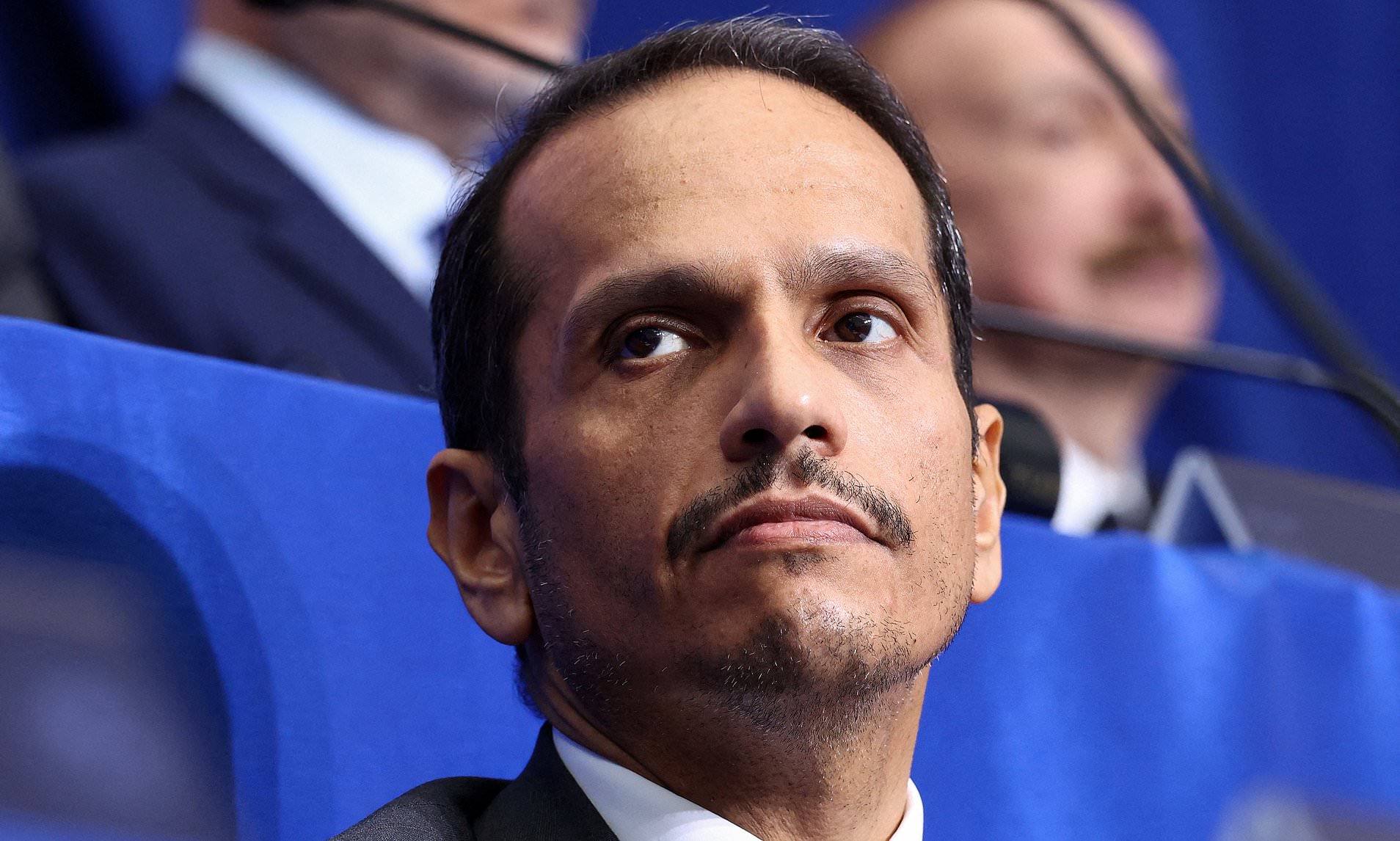
Qatar’s Prime Minister has issued a stark warning to Iran, declaring that the nation has “betrayed us” and made a “dangerous miscalculation” with its recent military actions in the Middle East. In a strong condemnation, Sheikh Mohammed bin Abdulrahman Al Thani urged all parties to de-escalate the escalating conflict, despite Qatar’s existing alliance with Iran. This relationship is now under significant strain due to repeated missile and drone attacks targeting the region.
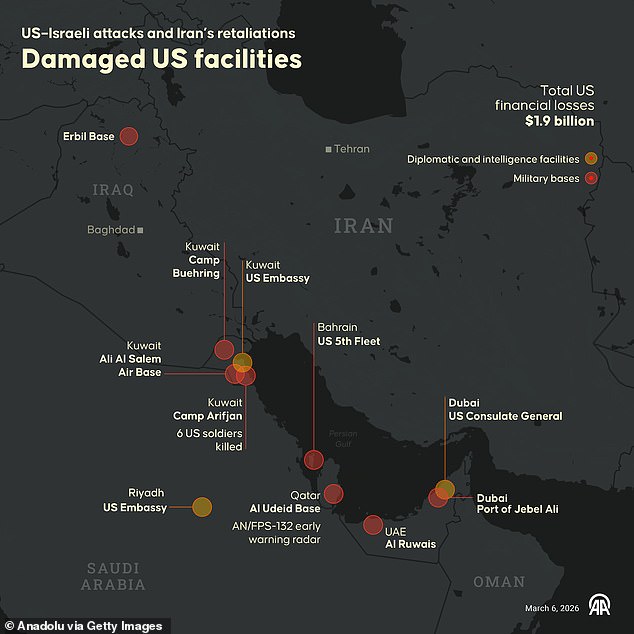
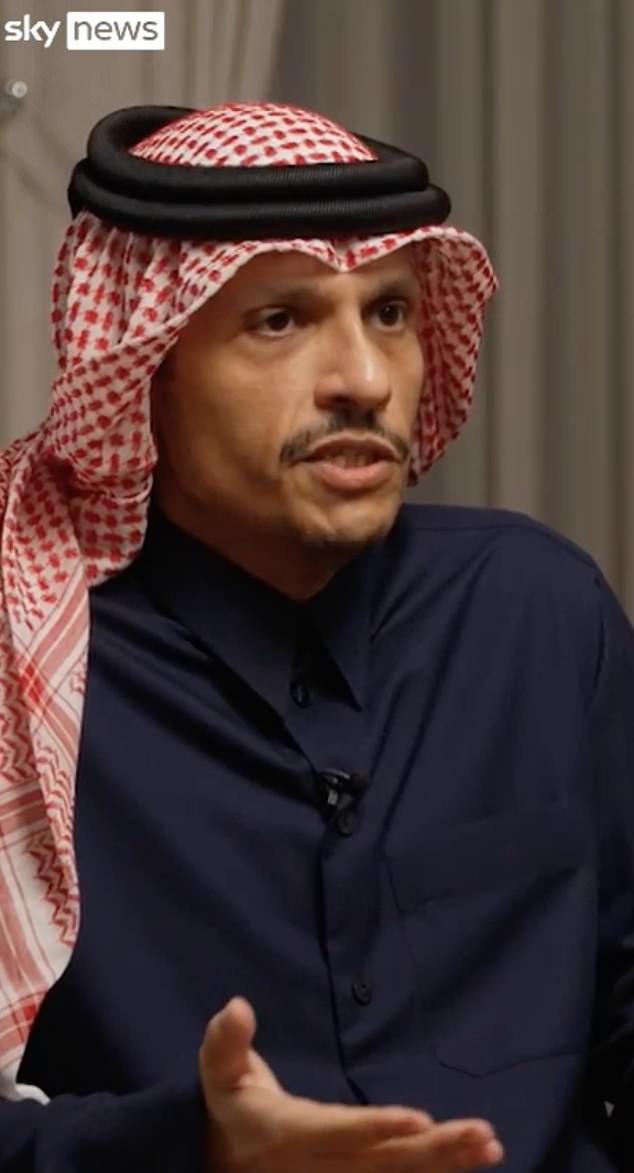
One such barrage, lasting approximately an hour and a half, saw all projectiles successfully intercepted by Qatar’s air defence systems. Speaking for the first time since the conflict erupted, the Qatari Prime Minister expressed his profound disappointment. “Of course, it is a big sense of betrayal,” he told Sky News. “And it’s the second time – that’s why, for us, it has been something really significant.” He highlighted the pre-planned nature of the attacks, noting that they commenced just an hour after the broader conflict began, impacting Qatar and other Gulf countries immediately.
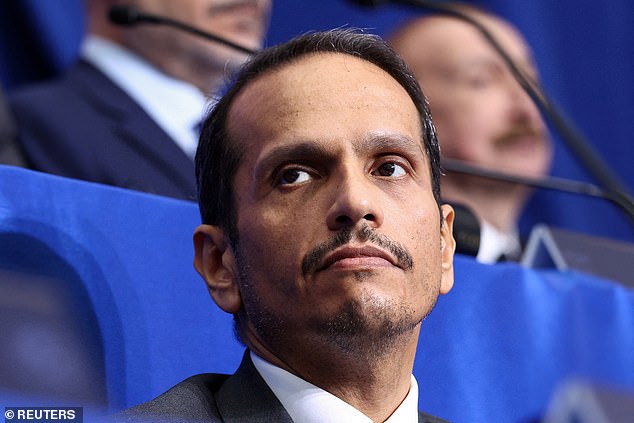
“We’ve repeatedly been saying we are not going to take part in any attacks or wars against our neighbours,” the Prime Minister continued. “We would like to see a peaceful neighbourhood; we are helping Iran and the United States to reach diplomatic solutions. But this miscalculation by the Iranians to attack the Gulf countries has destroyed everything.”
These statements represent a notable departure from Qatar’s established diplomatic stance of neutrality, a characteristic that has defined its role as a key regional mediator in recent years. The Prime Minister’s firm rebuke is expected to intensify pressure on Iran.
Regional Ramifications and Growing Anger
The impact of the ongoing conflict is increasingly being felt across civilian infrastructure. Bahrain, for instance, has accused Iran of striking a vital desalination plant, which is crucial for its drinking water supply. This incident underscores the growing regional anger, with the Arab League chief also condemning Iran’s “reckless policy” of attacking neighbouring nations, including those that host American forces.
Since the conflict commenced on February 28, Gulf countries have been subjected to hundreds of missile and drone attacks. Saudi Arabia has reported its first casualties, with a military projectile striking a residential area and resulting in two fatalities.
A Direct Appeal to the Iranian People
The Qatari Prime Minister also directed a message specifically to the Iranian public, urging an immediate cessation of hostilities. “Our message to the Iranian nation: they have to stop the attacks right away, instantly,” he stated. “What happened is really a huge hiccup for the relationship we had with Iran.”
He reiterated Qatar’s commitment to diplomacy, adding, “We will continue talking to the Iranians; we will continue trying to seek de-escalation. At the end of the day, they are our neighbours.” His plea continued: “My message to them is you shouldn’t include any of the other countries in this war. If these attacks are ongoing, there will be no-one able to help them or to start voicing some reason because everyone is busy engaging and defending their countries.”
Acknowledging British Support
In a welcome contrast to criticism from figures such as US President Donald Trump, the Qatari official offered positive remarks regarding the support received from Sir Keir Starmer and the British government. This comes in the wake of a Royal Air Force Typhoon jet shooting down an Iranian drone believed to be en route to Qatar. This incident marked the first time a British fighter jet had downed a drone since the conflict began.
“The UK has provided outstanding support for us, and we are very grateful for this partnership and this alliance,” the Qatari Prime Minister acknowledged.
Economic Fallout: Soaring Oil Prices
The economic consequences of the escalating conflict are also a major concern. Tehran’s retaliatory strikes on Saturday, which targeted Qatar, Iraq, Saudi Arabia, and Israel, have exacerbated fears of a significant disruption to global energy markets. While Qatar’s Ministry of Defence reported that nine out of ten drone attacks were intercepted and the tenth struck an uninhabited area with no reported injuries, the broader implications for oil prices are substantial.
Qatar’s Energy Minister, Saad al-Kaabi, warned that the war could trigger a new crisis, with the price of a barrel of oil potentially surging beyond $150. This warning came as crude oil prices had already climbed approximately 7 per cent to over $90 per barrel, a significant jump from their earlier position of around $60 to $70 for most of the year. A price of $150 would more than double the pre-war figures.
Mr. al-Kaabi explained to the Financial Times that such a price hike would “bring down the economies of the world.” He elaborated, “If this war continues for a few weeks, GDP growth around the world will be impacted. Everybody’s energy price is going to go higher. There will be shortages of some products, and there will be a chain reaction of factories that cannot supply.”
He further cautioned that Gulf energy exporters might be compelled to halt production, which would, in turn, drive oil prices even higher. Even if the conflict concludes soon, Mr. Kaabi anticipates that it will take weeks or even months for production cycles to normalise.