BBC Considers Sweeping Licence Fee Reforms Amid Funding Challenges
The British Broadcasting Corporation (BBC) is reportedly exploring a raft of significant changes to its licence fee model, as the public service broadcaster grapples with declining revenue and evolving media consumption habits. The proposals, which are still in their early stages of consideration, could fundamentally alter how licence fees are collected and applied, potentially extending the fee’s reach beyond traditional television viewing.
One of the most significant shifts being debated involves expanding the scope of the licence fee to encompass services beyond live TV and BBC iPlayer. This could mean that British citizens might eventually be required to pay a licence fee simply to access BBC radio channels or to utilise the BBC’s news website. This move would acknowledge the growing popularity of audio and digital content and seek to capture revenue from a broader spectrum of BBC’s offerings.
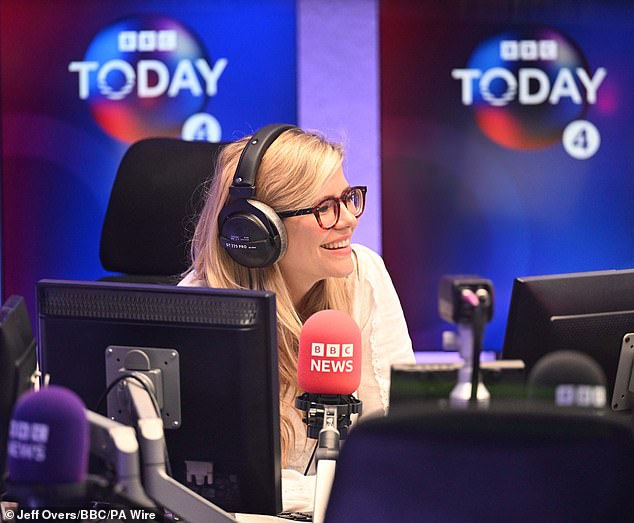
Another avenue being explored is the possibility of charging licence fees for streaming BBC content on external platforms. This could extend to popular subscription services such as Netflix or ITV, meaning that even if a household subscribes to these platforms, they might still be liable for a BBC licence fee if they access BBC programmes through them. The rationale behind this is to ensure that the BBC’s programming, regardless of where it is accessed, contributes to its funding.
Addressing Financial Pressures and Inequality
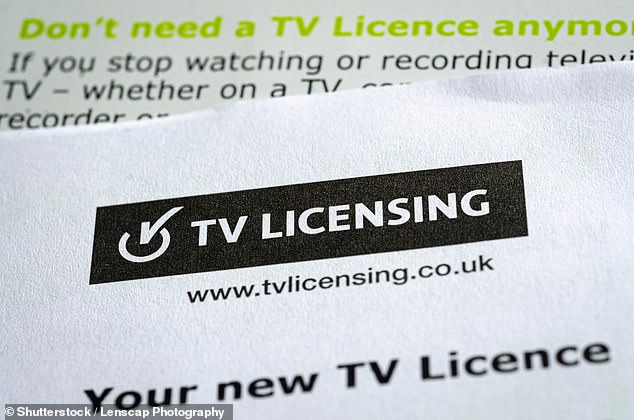
The BBC is facing considerable financial headwinds. Reports indicate a significant drop in the number of households paying the licence fee annually, leading to estimated losses of up to £550 million. This decline is partly attributed to an increasing number of households stating they no longer require a TV licence, a trend exacerbated by the rising cost of the licence fee itself, which has now reached £174.50 per year.
In response to these financial pressures and concerns about the fee’s impact on lower-income families, the BBC is also considering a tiered payment model. This proposal suggests that wealthier households would contribute a higher licence fee, thereby subsidising the cost for those with lower incomes. This approach aims to maintain the BBC’s universal public service ethos while mitigating the financial burden on vulnerable segments of the population.
Rationale for Reform: Sustainability and Competitiveness
Senior figures within the BBC are reportedly lobbying for a new funding agreement before 2027, when the current royal charter governing the corporation is due for renewal. The primary objective is to secure a sustainable funding model that ensures the BBC can not only survive but thrive in an increasingly competitive global media landscape.
A key strategy being discussed to achieve this sustainability is to broaden the base of licence fee payers. The idea is to spread the cost across a larger number of individuals, which, while increasing the total number of payers, could potentially lower the average cost per household. This approach aims to alleviate the financial strain on existing payers and ensure a more robust revenue stream.
An insider privy to discussions at a recent board meeting highlighted the corporation’s commitment to maintaining the BBC as a universal public service. “Our priority is ensuring the BBC is sustainable as a universal public service beyond just the next few years,” the source stated. “That shouldn’t mean the price for ordinary households goes up. We’re very sensitive to that pressure.” The source also indicated an openness to all ideas that would allow the organisation to “not just survive, but thrives” in the current media environment, aligning with the ambitious agenda set by government ministers.
Current Licence Fee Obligations and Public Sentiment
Currently, the licence fee is mandatory for individuals who watch live television or any programme on BBC iPlayer. However, it is not a requirement for listening to BBC radio channels, podcasts, or accessing the BBC’s extensive news website.



Recent public sentiment has revealed growing dissatisfaction with the licence fee. Many Britons have expressed their reasons for ceasing to pay, citing a range of concerns including a perceived decline in BBC standards and various scandals that have plagued the broadcaster.
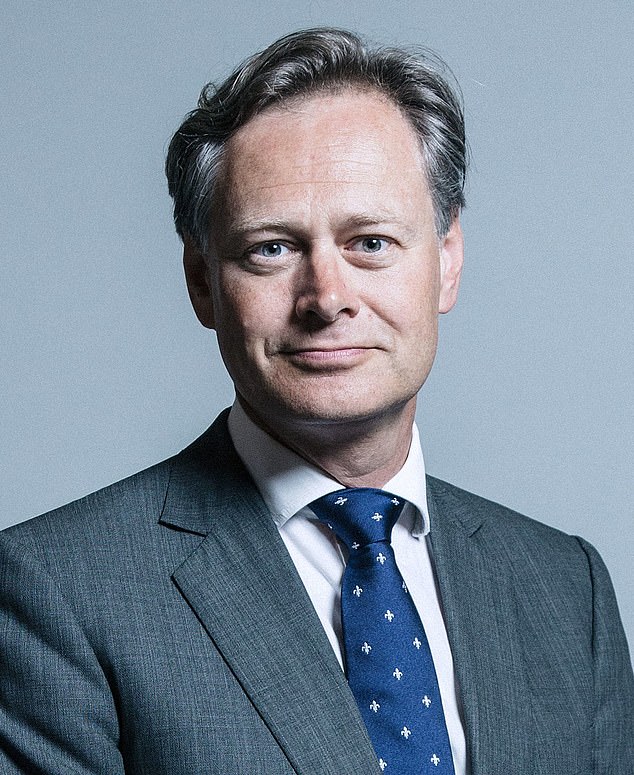
Former Conservative MP and ex-BBC staffer Matthew Offord shared his decision to stop paying the licence fee, stating that he struggled with the payment for many years. He explained that while he paid it during his tenure as an MP, he could not bring himself to continue after his term expired. Offord also cited a “toxic atmosphere” during his employment and expressed his dismay at the “continuing behaviour of individuals, the groupthink and the rejection of anti-Semitism in their reporting.”
Similarly, Robin Whelan, a former BBC staff member, also ceased paying the fee upon leaving the corporation. He reflected on his usage of BBC services, noting that he primarily used the website, radio, and occasional catch-up viewing.
The Declining Traditional TV Landscape
The future of the licence fee is intrinsically linked to the broader shift away from traditional television viewing. As more viewers migrate to online streaming and on-demand content, the traditional model of funding through a TV licence becomes increasingly challenged.
Recent controversies, such as the Panorama report that allegedly edited footage of a Donald Trump speech to create a misleading impression of his call to action during the Capitol riots, have further eroded public trust. Such incidents have led to scrutiny and, in some cases, resignations, contributing to the growing reluctance among some to fund the broadcaster.
A report by the Commons Public Accounts Committee revealed that a substantial number of BBC viewers, estimated at 2.9 million, evaded paying the £174.50 annual fee, resulting in an estimated £550 million in lost income. Furthermore, an additional £617 million was lost from 3.6 million households that declared they no longer require a licence.
A spokesperson for the BBC acknowledged the need for reform, stating, “As the Green Paper states, the BBC will only be able to deliver for the public if it has a sustainable long-term funding model in place and that means reform.” The spokesperson emphasised the corporation’s awareness of the cost of living pressures faced by the public and reiterated their commitment to exploring all funding options to provide value to audiences while striving for fairness, modernity, and sustainability.