
Fifth Briton Succumbs to Gastric Illness in Cape Verde Holiday Tragedy
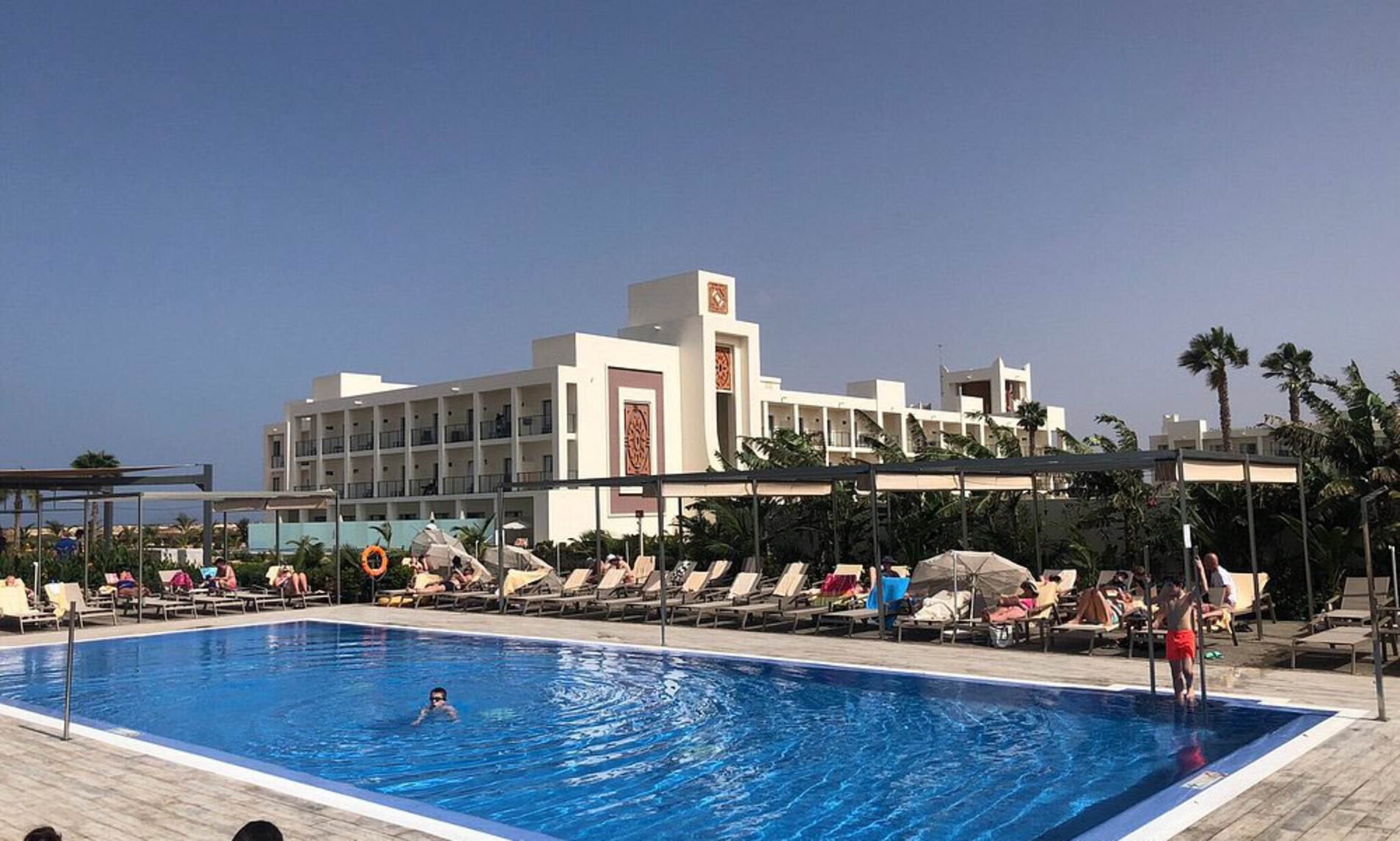
A fifth British tourist is believed to have tragically died following a severe gastric illness contracted while on holiday in Cape Verde. The latest victim, a 52-year-old retired firefighter from County Durham, passed away after staying at the five-star Riu Palace Santa Maria on the island of Sal. This incident follows the deaths of four other British holidaymakers between August and November last year, all of whom reportedly succumbed to a similar gastric illness after visiting the African archipelago.
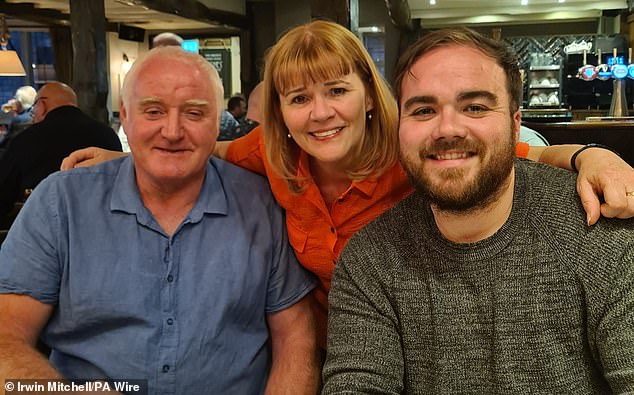
The deceased firefighter, a father-of-two and former Royal Navy serviceman, endured a week-long stay at the Riu Palace Santa Maria. His wife, who wishes to remain anonymous, described his death as a “carbon copy” of the previous tragedies. After falling ill, her husband suffered debilitating symptoms for 12 weeks, ultimately leading to multi-organ failure.
“We’re still in complete shock over his death,” she shared in a heartfelt tribute. “My husband was my soulmate and an absolutely wonderful, loving and caring dad. We never imagined that going on what we thought would be an enjoyable holiday would lead to such traumatic events unfolding. I’d do anything to turn the clock back, but I know nothing can undo what’s happened and how our family will never be the same again. However, I wouldn’t want anyone else to suffer the same experience. People need to be aware of the issues hundreds of holidaymakers to Cape Verde are facing.”
Widespread Sickness and the Discovery of Shigella Bacteria
The alarming trend of mass sickness has affected numerous Britons visiting Cape Verde, with over 1,500 individuals reporting falling ill since October. Investigations have since identified Shigella bacteria as a potential cause. This bacterium can lead to dysentery, a potentially life-threatening condition. Researchers found the bacteria in irrigation water used for washing food, as well as on some imported food items.
The UK Health Security Agency (UKHSA) reported that a significant proportion of Shigella cases – 112 out of 118 between October 2025 and February 2026 – were linked to tourists who had visited Cape Verde.
A Holiday Ruined: The Case of the Retired Firefighter
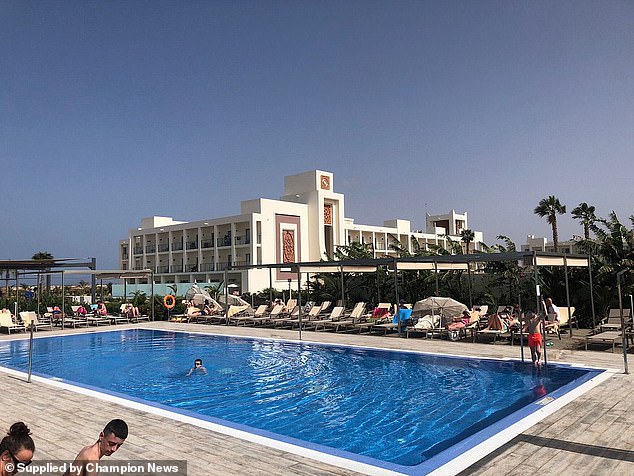
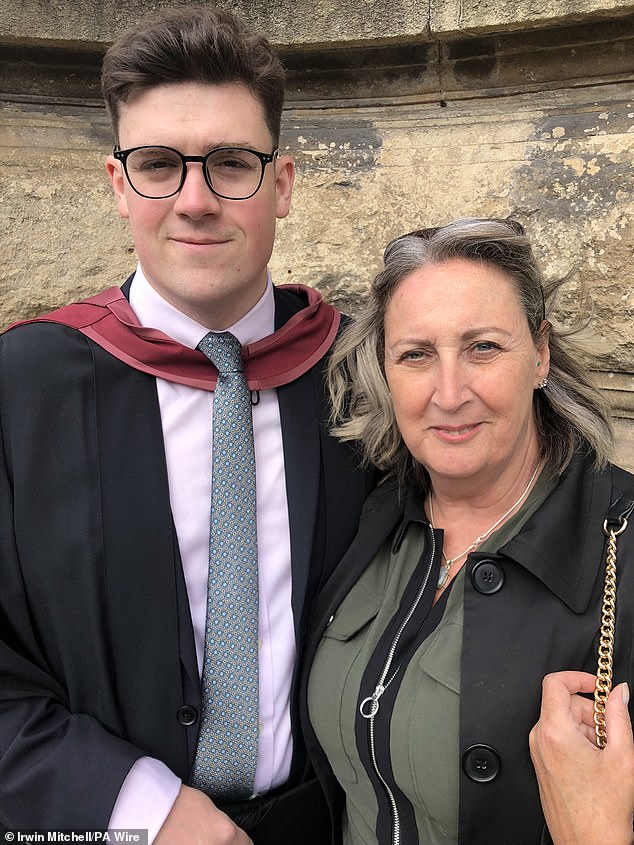
The recently deceased firefighter and his wife, a 45-year-old school administrator, checked into the Riu Palace Santa Maria on August 11 with one of their daughters and her boyfriend. They had booked a week-long package holiday with the airline Tui, costing £6,500. Tragically, their arrival on the island was the morning after Elena Walsh, 64, another British tourist, had died following her stay at the adjacent Riu Cabo Verde. Mark Ashley, 55, who also stayed at the Riu Palace Santa Maria in October, would also die weeks later.
On the third day of their family trip, the former Royal Navy serviceman began experiencing severe sickness, diarrhoea, and a loss of appetite. He was the only person in their group to fall ill. His widow recounted how they had visited the same resort the previous year to celebrate his retirement and had enjoyed it immensely, prompting them to rebook.
“However, as soon as we arrived the second time, we couldn’t believe how much it appeared to have changed from our previous holiday,” she stated. “We didn’t expect the poor standards we experienced, especially for the money we paid. When my husband fell ill, he tried to continue but the holiday was ruined. Even more worrying was how his symptoms continued to persist once we got home. He tried to carry on but it was obvious he wasn’t himself and was still suffering.”
A Slow and Devastating Decline
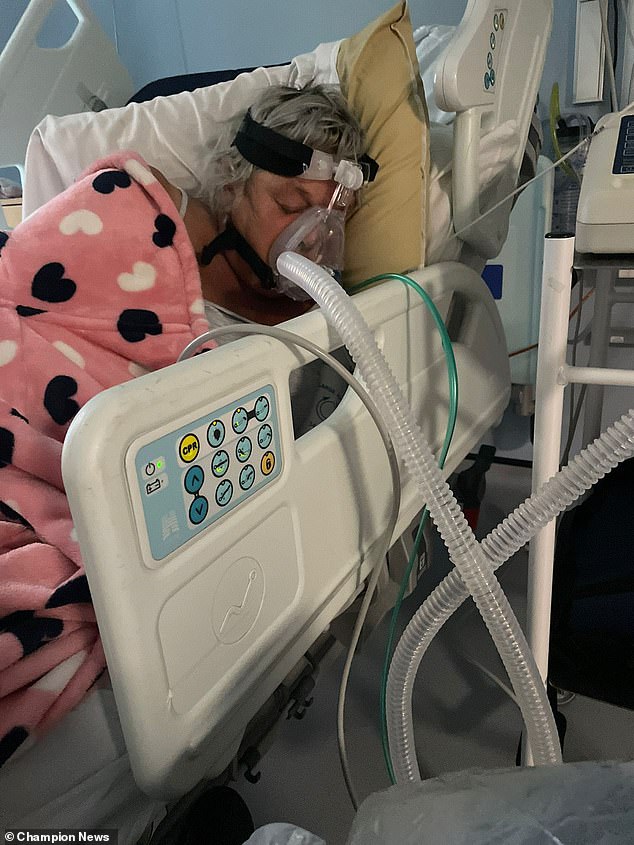
The illness did not abate during the holiday, nor did it improve upon their return to the UK on August 18. For the next two months, he was housebound, suffering up to 15 bowel movements a day and struggling to eat. His stomach and legs began to swell, and he lost a significant amount of weight.
He sought medical attention on October 12, with his GP advising him to return in two weeks if his condition persisted. He did so on October 27, but was then rushed to A&E, where doctors had to drain a considerable amount of fluid from his abdomen. Despite medical intervention, he passed away six days later, on November 2. This was just over a week before Mark Ashley’s death on November 12 and six days prior to the passing of another father-of-two from Chester, who had stayed at a Riu hotel on a different island.
Doctors were reportedly baffled by his death. His widow mentioned that she did not initially attribute his illness to their recent trip to Cape Verde, as she did not suspect a connection. The cause of death was recorded as multi-organ failure and alcohol-related liver disease, with the added context that he had been struggling with alcoholism since his father’s death. No post-mortem examination or specific tests for pathogens were conducted.
In contrast, Mark Ashley’s death certificate listed gastroenteritis as a cause, and Elena Walsh also died in Cape Verde with gastroenteritis noted. However, it remains unclear what the precise cause of death was for any of the victims, as none were tested for Shigella or other specific pathogens. It is also noted that the other four individuals who died had underlying medical conditions.

Further Deaths and Legal Investigations Underway
Two other Britons have died since January 2023 after falling ill following visits to Cape Verde. Jane Pressley, 62, from Gainsborough, died in January 2023, and an unnamed man in his 60s passed away in November 2024. Both families have engaged legal professionals to investigate potential links to the Shigella outbreak, though these connections are yet to be independently verified.
A significant legal case involving approximately 300 claimants, related to illnesses contracted after holidays in Cape Verde, is currently progressing through the High Court. Furthermore, over 1,700 other holidaymakers have instructed lawyers to examine the circumstances surrounding their illnesses since 2022. The islands of Sal and Boa Vista appear to be the most heavily impacted areas, where Shigella was detected in irrigation water and fresh produce.
A month-long investigation into the outbreak involved ten researchers, including two from the World Health Organisation. They collected 156 samples from various sources, including drinking water, fresh food, food-handling surfaces, food handlers, irrigation water, and medical samples, and presented them to Cape Verde public health authorities. While officials acknowledged that some tourists may have contracted infections, they stated that the positive samples fell within surveillance parameters and did not constitute an illness outbreak.
Shigella bacteria are primarily transmitted through contact with faecal matter, often via contaminated food or water, or through poor hygiene practices. Following the discovery of the bacteria, authorities issued recommendations to businesses, urging them to enhance disinfection processes for fresh produce throughout the supply chain and to intensify inspection activities.
Expert Advice and Calls for Action
Jatinder Paul, an expert international serious injury lawyer at Irwin Mitchell leading the team representing the families of the deceased Britons, expressed his concerns. “We continue to be contacted by hundreds more people reporting all too familiar and worrying first-hand accounts of how their holidays have been ruined by serious illness,” he stated. “While our focus remains on establishing the full facts of how these holidaymakers fell ill, this latest development is of great concern.”
Mr. Paul emphasised the contagious nature of Shigella and the ease with which it can be transmitted through contaminated food or drink, noting that only a small number of bacteria are needed to cause infection. He urged travellers to Cape Verde to exercise caution: “We’d urge those planning on travelling to Cape Verde over the coming weeks and months to ensure they eat fully cooked, steaming hot meals, always select fruits they can peel and avoid raw vegetables and salads.”
He also called for greater accountability from tour operators and authorities. “While it’s too late for those who have already suffered life-changing consequences following illness linked to holidays, it’s vital that tour operators – who are responsible for ensuring the safety of those who have booked all-inclusive package holidays – and authorities get on top of the reported hygiene issues on the islands.”
Mr. Paul also advised those affected by illness not to feel pressured into accepting early settlement offers from tour operators without fully understanding their legal rights, strongly recommending they seek independent legal advice. He concluded by highlighting the severity of gastric illnesses, stating, “The effects of gastric illness should never be downplayed as symptoms can lead to life-long and debilitating complications and even death.”
Tui has indicated that it is unable to comment without specific customer details, while Riu has been contacted for a statement.


