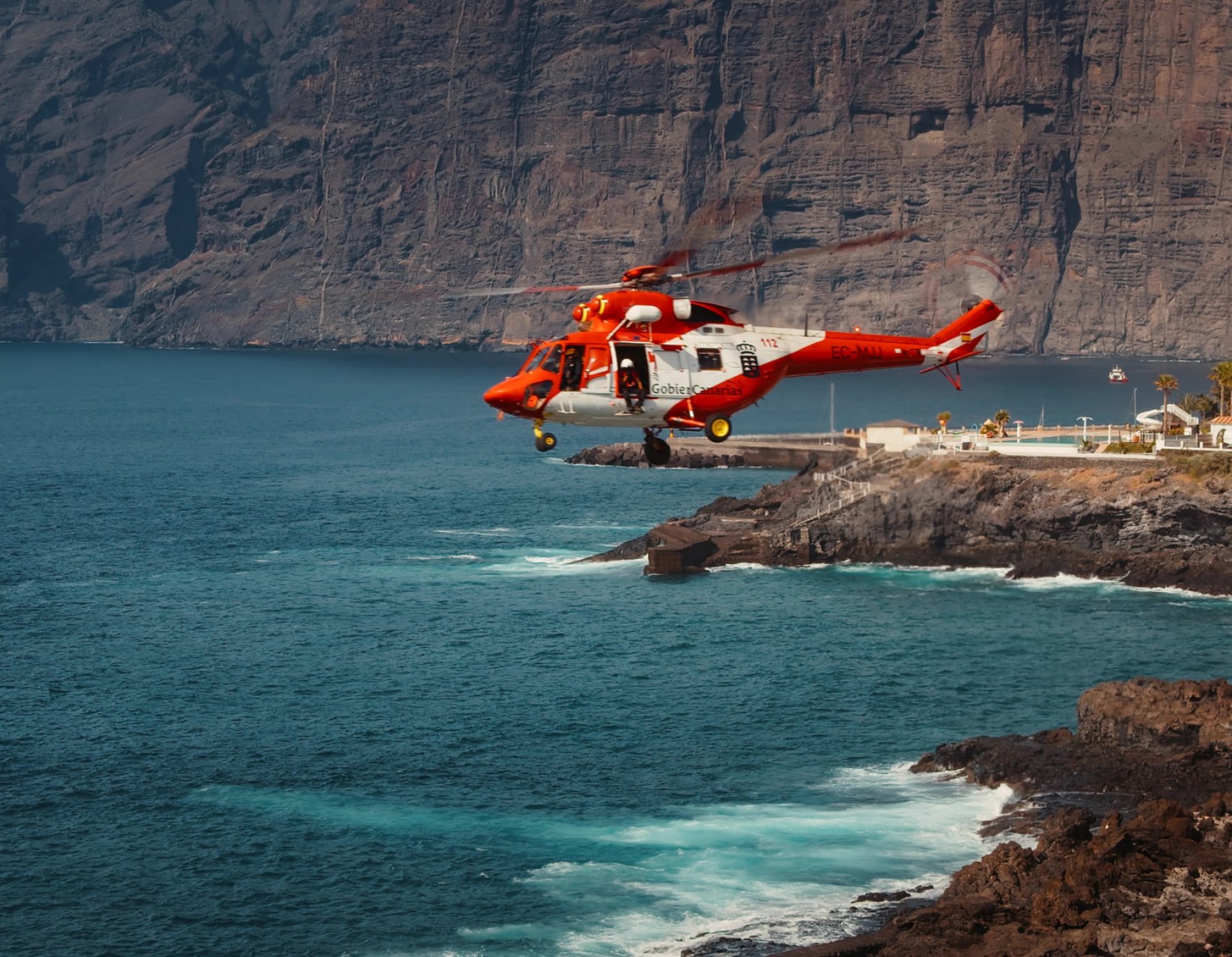
Tenerife, a popular holiday destination in the Canary Islands, has recently experienced dangerous tidal surges, resulting in tragic loss of life and prompting warnings for visitors to exercise extreme caution.
Just weeks after previous weather-related incidents, powerful waves struck Tenerife, leading to the deaths of three individuals. Emergency services confirmed that a woman and two men were swept into the sea from a rock pool in Los Gigantes on a recent Sunday afternoon. Several other people sustained injuries during the incident.
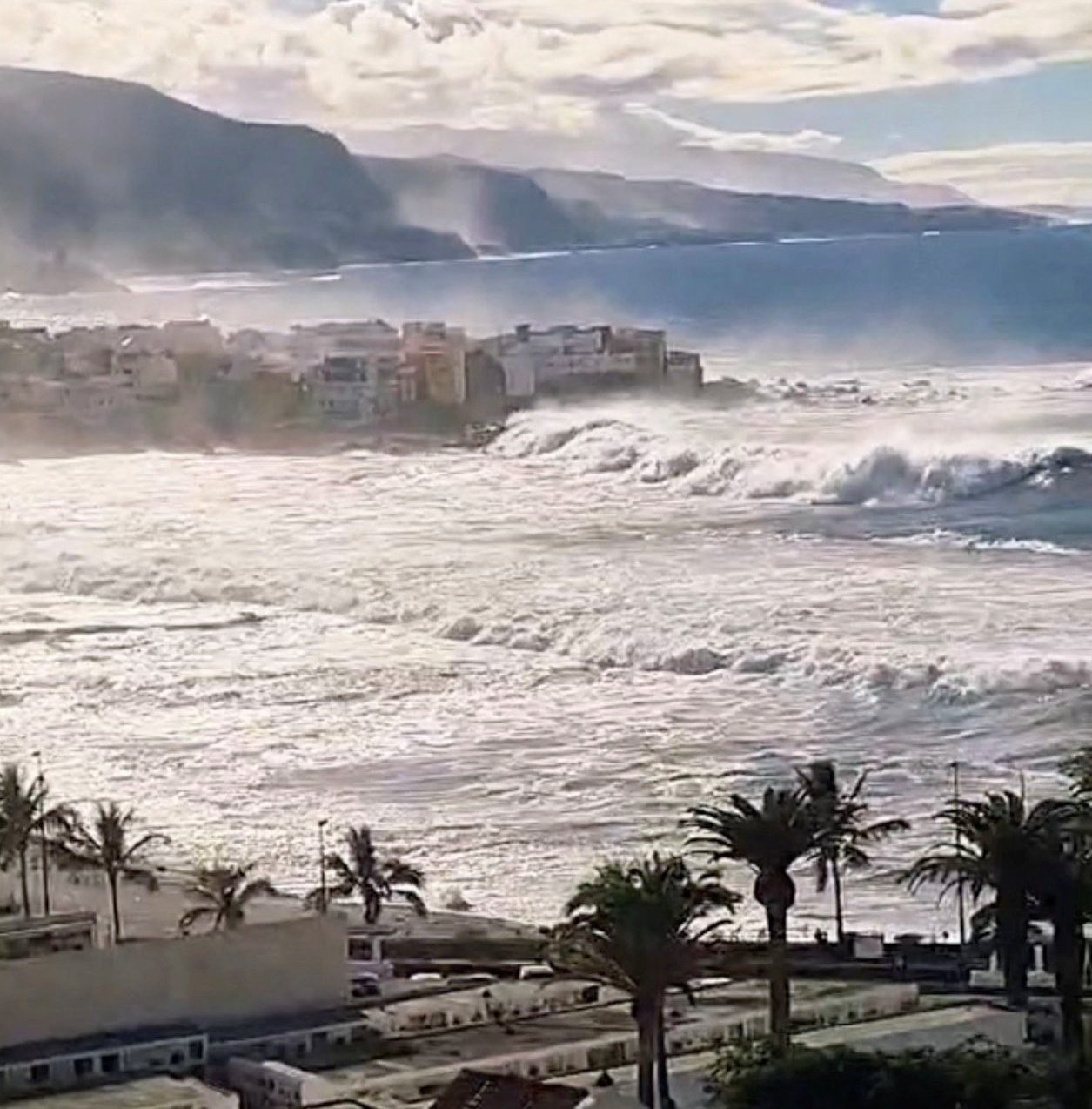
Authorities had issued a high wave warning for the Canary Islands earlier in the month, specifically on December 3rd. Forecasts predicted significant swells, ranging from two to five meters, particularly affecting the northern coastal areas.
Emilio Navarro, the mayor of Santiago del Teide, emphasized that a pre-alert warning was already in place to inform residents and visitors about the potential risks of dangerous tidal surges in Tenerife’s most vulnerable areas.
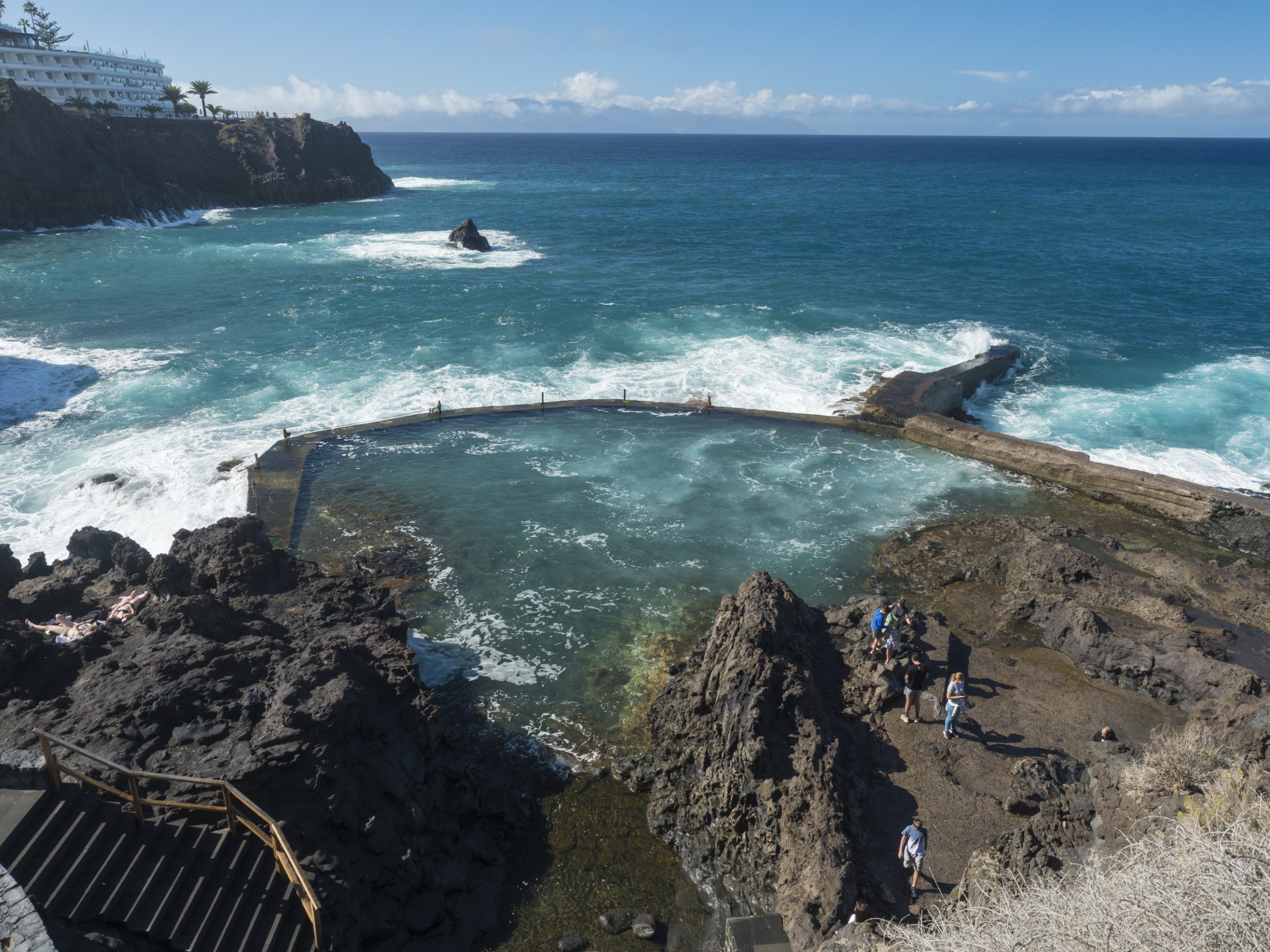
In light of these events, visitors to the Spanish archipelago are strongly advised to take ‘extreme caution’ when near the coast. This includes avoiding rocky shorelines and natural pools, especially during periods of adverse weather conditions.
Regional government officials have also issued a direct appeal to tourists, urging them to refrain from taking unnecessary risks while trying to capture photographs or videos in areas where waves are breaking. The power and unpredictability of these surges can quickly turn a seemingly harmless photo opportunity into a dangerous situation.
The National Oceanography Centre notes that tidal surges can persist for varying durations, ranging from a few hours to several days. Therefore, individuals currently in Tenerife, or those with upcoming travel plans, should be aware of the necessary precautions to ensure their safety.
Staying Safe in Tenerife: Key Advice
- Monitor Weather Conditions: Keep a close eye on weather forecasts and heed any warnings issued by local authorities. The Spanish Meteorological Office (AEMET) and European Meteorological Services provide up-to-date information on severe weather.
- Avoid Risky Coastal Areas: Stay away from rocky shorelines, natural pools, and other areas prone to strong waves and tidal surges, particularly during periods of high tide or adverse weather.
- Exercise Caution While Swimming: Be aware of potential hazards when swimming in the sea. Some beaches, especially around Spanish islands, may have strong undercurrents.
- Be Mindful of Waves: When walking along unmonitored beaches, remember that waves can come in further than expected and have strong undertows.
- Refrain from Risky Photography: Do not risk taking photographs or videos in areas where waves are breaking.
Emergency Contacts and Support
In case of an emergency while in Tenerife, the universal emergency number to call is 112. This number can be used to contact police, fire, or ambulance services.
- The Foreign Office can also provide support and advice in the event of a crisis.
* Travel Insurance and Holiday Cancellations
*   If you are considering cancelling your holiday to Tenerife due to the tidal surge, it's important to understand your travel insurance policy.
*   Most insurers will only pay out for cancellations if the Foreign, Commonwealth & Development Office (FCDO) advises against all but essential travel to your destination. As of now, there are no such warnings in place for Tenerife.
*   Some providers may also require local or national authorities to declare it unsafe to travel to the area. If your holiday provider or airline is operating as normal and there are no official advisories, you may not be eligible for cancellation cover.
*   Check the ‘cancellation and curtailment’ section of your policy to see if it covers cancelling or cutting a trip short due to extreme weather.
*   Be aware that if the extreme weather was forecast *before* you booked your holiday and took out your insurance policy, you may not be covered for ‘anticipated’ events.
- Key Considerations for Travel Insurance Claims:
- FCDO Advice: Check if the FCDO advises against travel.
- Local Advisories: See if local authorities have declared it unsafe to travel.
- Policy Coverage: Review the ‘cancellation and curtailment’ section of your policy.
- Timing of Booking: Note if the weather was forecast before you booked your trip.
Staying informed and exercising caution are crucial for ensuring a safe and enjoyable trip to Tenerife, especially in light of the recent weather-related events. By following the advice provided by authorities and taking necessary precautions, visitors can minimize risks and make the most of their holiday.