
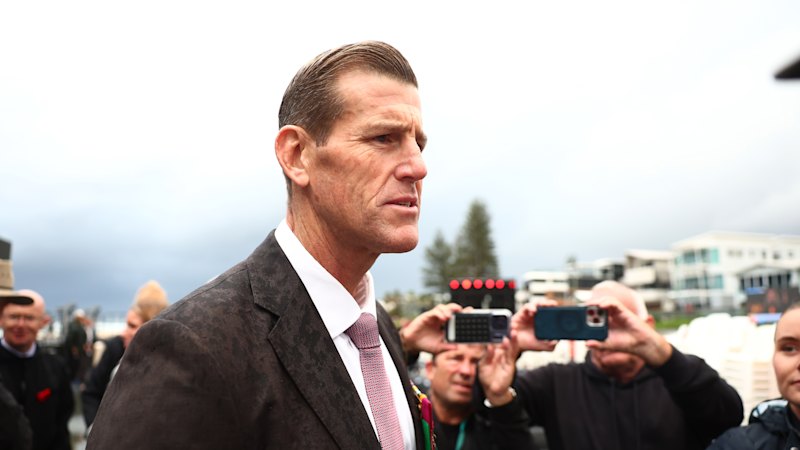
The legal proceedings against Ben Roberts-Smith, a former Special Air Service (SAS) soldier, are facing significant delays, with the full scope of war crimes allegations against him remaining under wraps for several more months. These delays are attributed to the presence of classified information integral to the case.
Roberts-Smith, 47, was arrested in April and subsequently charged with five counts of murder or ordering the murders of unarmed detainees. These alleged incidents occurred during his deployments in Afghanistan between 2009 and 2012.
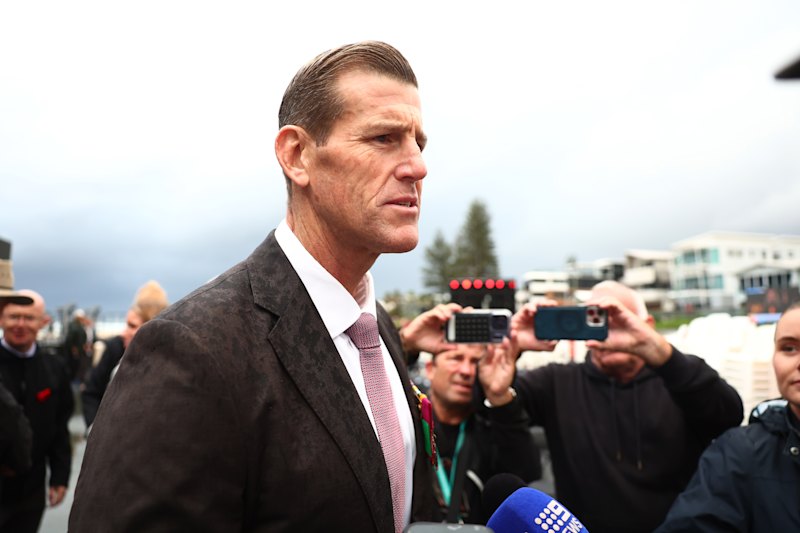
The case, brought before Sydney’s Downing Centre Local Court, has been adjourned until September due to national security concerns. Crown prosecutor Chelsea Brain explained to the court that Roberts-Smith cannot be provided with the complete brief of evidence until specific court orders are in place to protect sensitive information. The Australian federal government has lodged an application for this highly classified material.
Roberts-Smith’s solicitor, Karen Espiner, indicated to the court that an agreement is likely to be reached between her client, the prosecution, and the government regarding the handling of these classified documents. Judge Susan Horan will preside over a hearing in September to determine the necessity of these proposed orders.
The National Security Information Act provides a legal framework for judges to issue directives concerning the disclosure, storage, protection, handling, and ultimate destruction of classified material within criminal proceedings.
While Roberts-Smith has not yet entered pleas to any of the charges, he has publicly stated his intention to use an upcoming trial to exonerate himself. He was granted bail in April, with his father, Len Roberts-Smith – a former judge of the Supreme Court of Western Australia – providing a $250,000 surety.
Allegations of War Crimes
Australia’s most decorated living soldier faces a series of grave accusations:
Whiskey 108 Raid (April 2009): Roberts-Smith is accused of personally machine-gunning an Afghan prisoner named Mohammed Essa. He is also alleged to have ordered the execution of Essa’s son, Ahmadullah, who had a prosthetic leg. Court documents suggest this act was carried out to “blood the rookie,” referring to a subordinate soldier.

Following the alleged killings, court documents obtained by AAP indicate that Roberts-Smith, then an SAS soldier, placed firearms on the bodies of the deceased. This was reportedly done to falsely present them as enemy combatants, thereby fabricating a justification for the killings.Darwan Village Incident (August 2012): At the village of Darwan, Roberts-Smith is accused of kicking a handcuffed man named Ali Jan off a 10-metre cliff. Following this, he allegedly ordered that Ali Jan be dragged across a creek bed and subsequently shot.
Syahchow Incident (October 2012): Two months after the Darwan incident, at Syahchow, Roberts-Smith is alleged to have orchestrated a disturbing scenario. He reportedly lined up two prisoners in a corn field. One of the prisoners was allegedly shot by another soldier under Roberts-Smith’s command.
Furthermore, court documents claim that Roberts-Smith ordered a subordinate to shoot the second prisoner. To conceal these actions, he allegedly instructed that a grenade be thrown onto the bodies of the deceased.
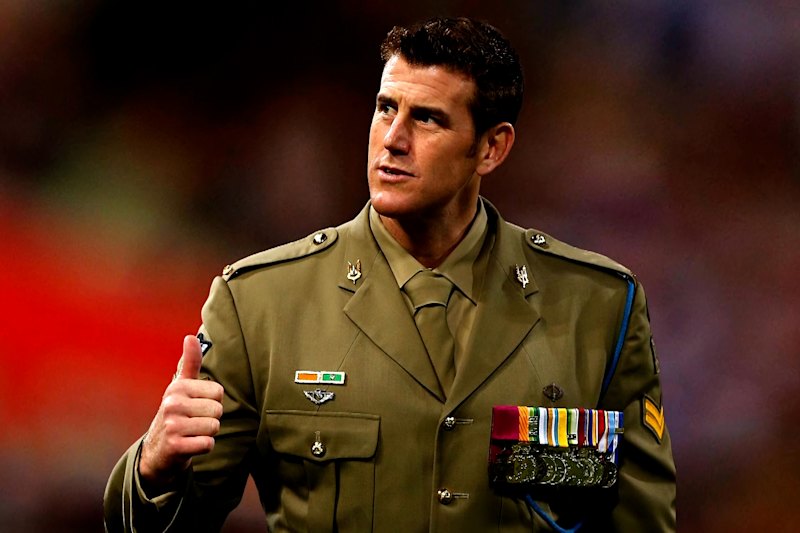
The ongoing legal process underscores the complexities involved in prosecuting alleged war crimes, particularly when national security is a factor. The forthcoming September hearing will be crucial in determining how the classified evidence will be managed, paving the way for the case to proceed. The allegations themselves are deeply serious and have cast a shadow over Roberts-Smith’s distinguished military career. The outcome of these proceedings will undoubtedly have significant implications for those involved and for the broader discourse on accountability in military operations.


