The Global Impact of the Iran Conflict
Donald Trump has made bold claims about the economic impact of his war in Iran, stating that it is “a very small price to pay” for ousting the country’s regime and stopping its nuclear programme. However, this perspective may not be shared by many countries facing a surge in energy prices due to the blockade of the Strait of Hormuz.
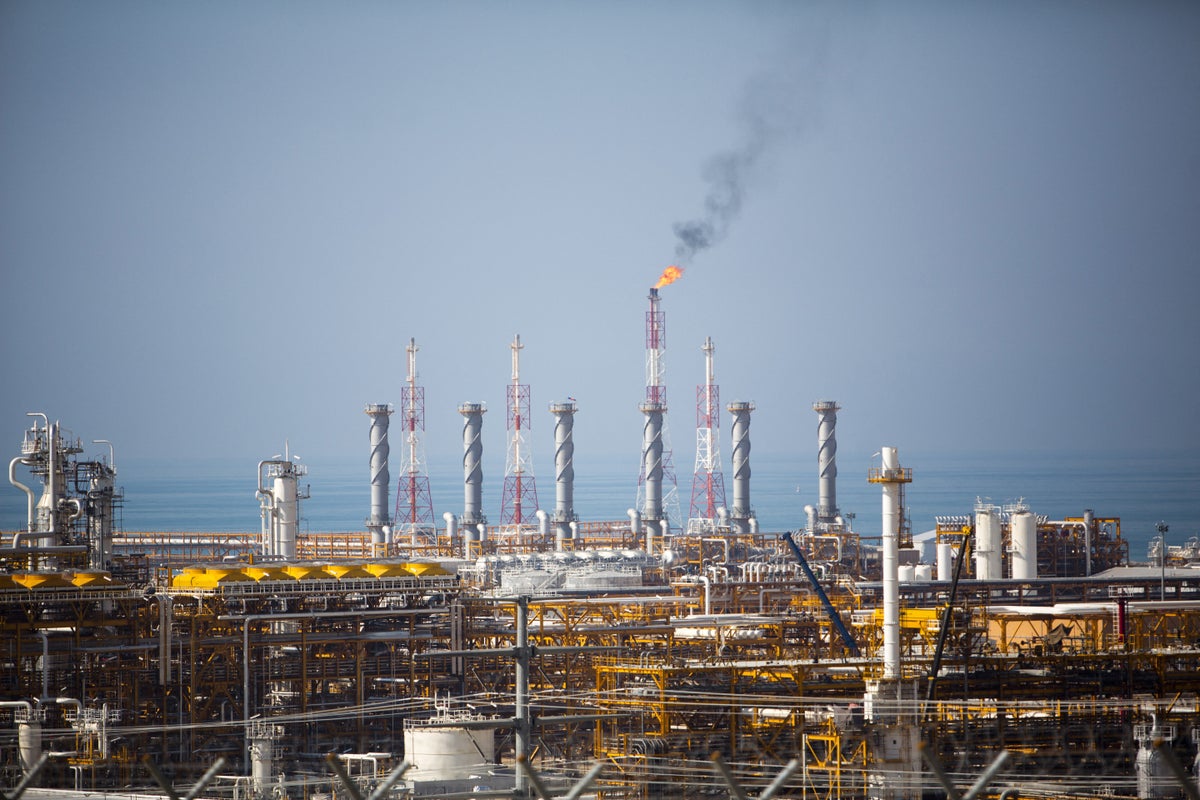
In recent weeks, Sri Lanka has introduced a four-day working week, while the International Energy Agency (IEA) has advised people worldwide to work from home to conserve energy. This is a direct response to the squeeze on fuel caused by the ongoing conflict. A trickle of oil is leaving the Middle East, as the Strait of Hormuz remains under Iranian control. Since the end of February, fewer boats have been transiting through the strait. The situation worsened when Tehran targeted numerous oil production facilities in Gulf countries in retaliation for Israel’s strikes on its vital South Pars gas field.
Rising Energy Prices and Economic Concerns
With no end to the Iran war in sight, experts are warning of a new cost-of-living crisis. In the UK, energy bills could increase by as much as £300 from the summer, potentially bringing the country back to the inflationary aftershock seen after the war in Ukraine.
Dr Adi Imsirovic, a lecturer in energy systems at the University of Oxford, explains, “Traders are looking for some indication of an end to the conflict, but we are not seeing that.” He adds, “I don’t think the US realised that the actual price of oil going to the refineries, and what will go to the end users, is actually a lot more expensive than what the markets are indicating.”
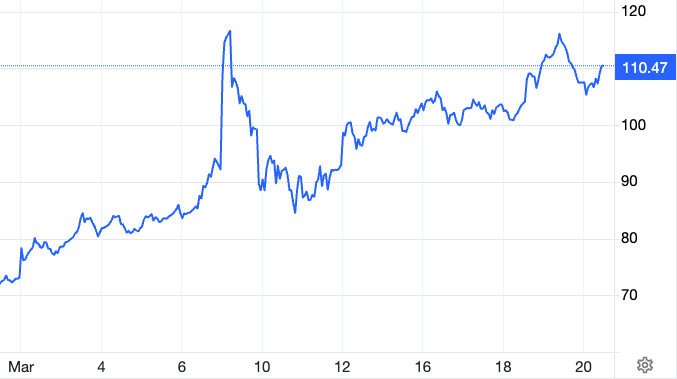
The cost of Brent Crude, the global oil benchmark, has soared more than 60 per cent since the war began. When the market closed on the evening of 27 February, it was priced around $71. On Wednesday, prices briefly peaked at $119 a barrel, the highest figure since the first few months of the war in Ukraine.
Asia’s Vulnerability to the Oil Crisis
Asia is particularly dependent on the Strait of Hormuz, which accounts for roughly 80–84 per cent of global crude oil flows and over 80 per cent of Liquefied Natural Gas (LNG) transit through the strait, according to Dr Umud Shokri, an energy strategist and senior visiting fellow at George Mason University.
However, not all nations are expected to struggle equally. Dr Shokri explains, “The extent to which countries are impacted depends on two main factors: the proportion of oil they buy from the Middle East and what other reserves they have.”
China, the largest importer of oil, has managed to secure alternative sources such as South American, Russian, and West African oil. Additionally, China has built up significant stockpiles of reserves. Countries like Japan and South Korea are “hugely exposed,” but due to their “fairly large reserves,” they will not face the same shock as some countries in South Asia.
Here are the countries expected to fare the worst from the Middle East oil crisis:
India
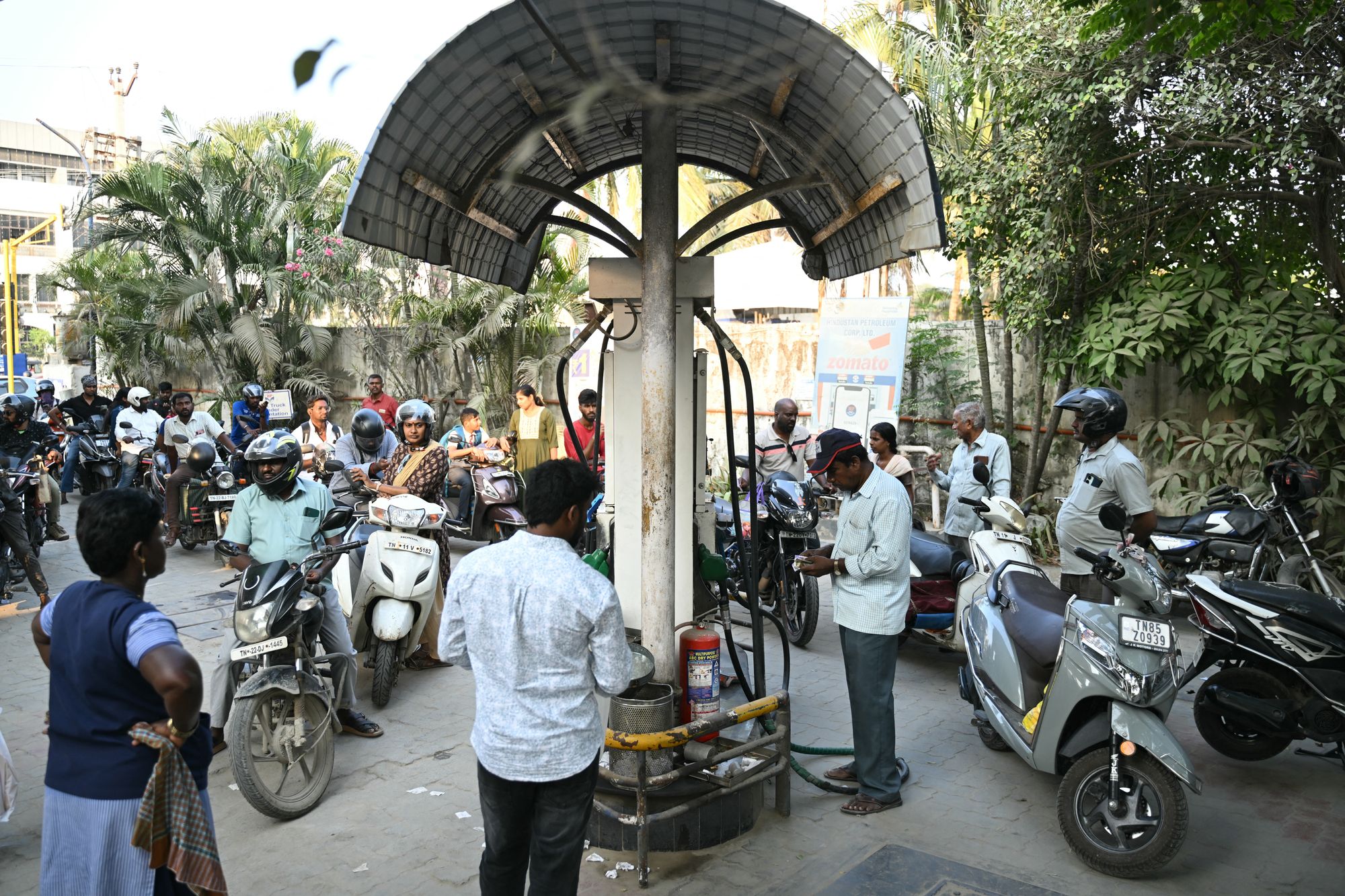
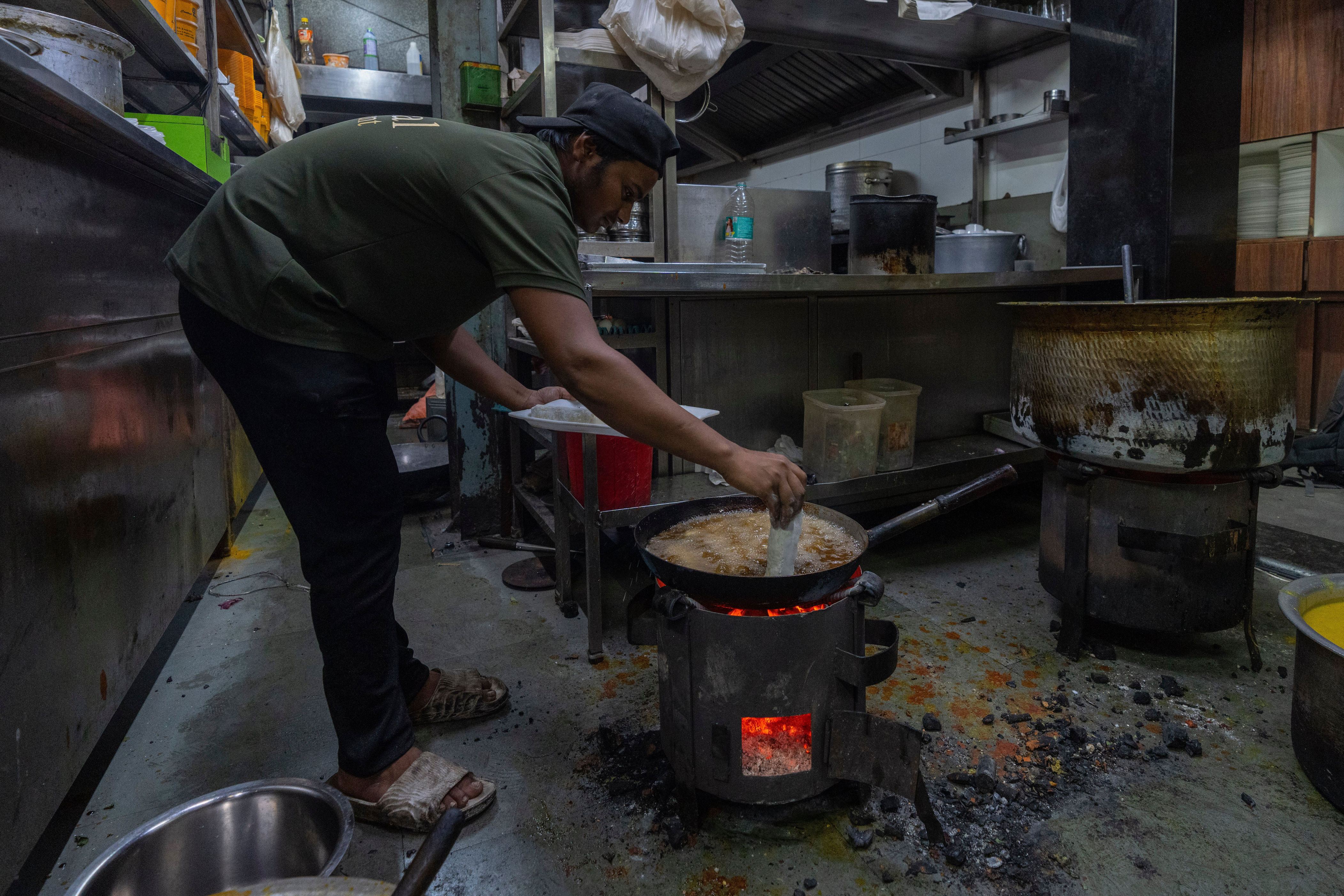
India accounts for 14.7 per cent of imports reliant on the Strait of Hormuz, according to Dr Shokri. Cooking gas is particularly vulnerable, with more than 60 per cent of Liquefied Petroleum Gas (LPG) demand met through imports. If disruptions persist, households may face reduced access to energy, rising costs, and increased reliance on lower-quality fuels such as biomass or kerosene.
Electric induction cooktops have flown off the shelves in India as households rush to buy the appliance amid the cooking gas shortage. Several models have sold out on e-commerce platforms, while some offline chains say fresh supplies are still days away.
Sri Lanka
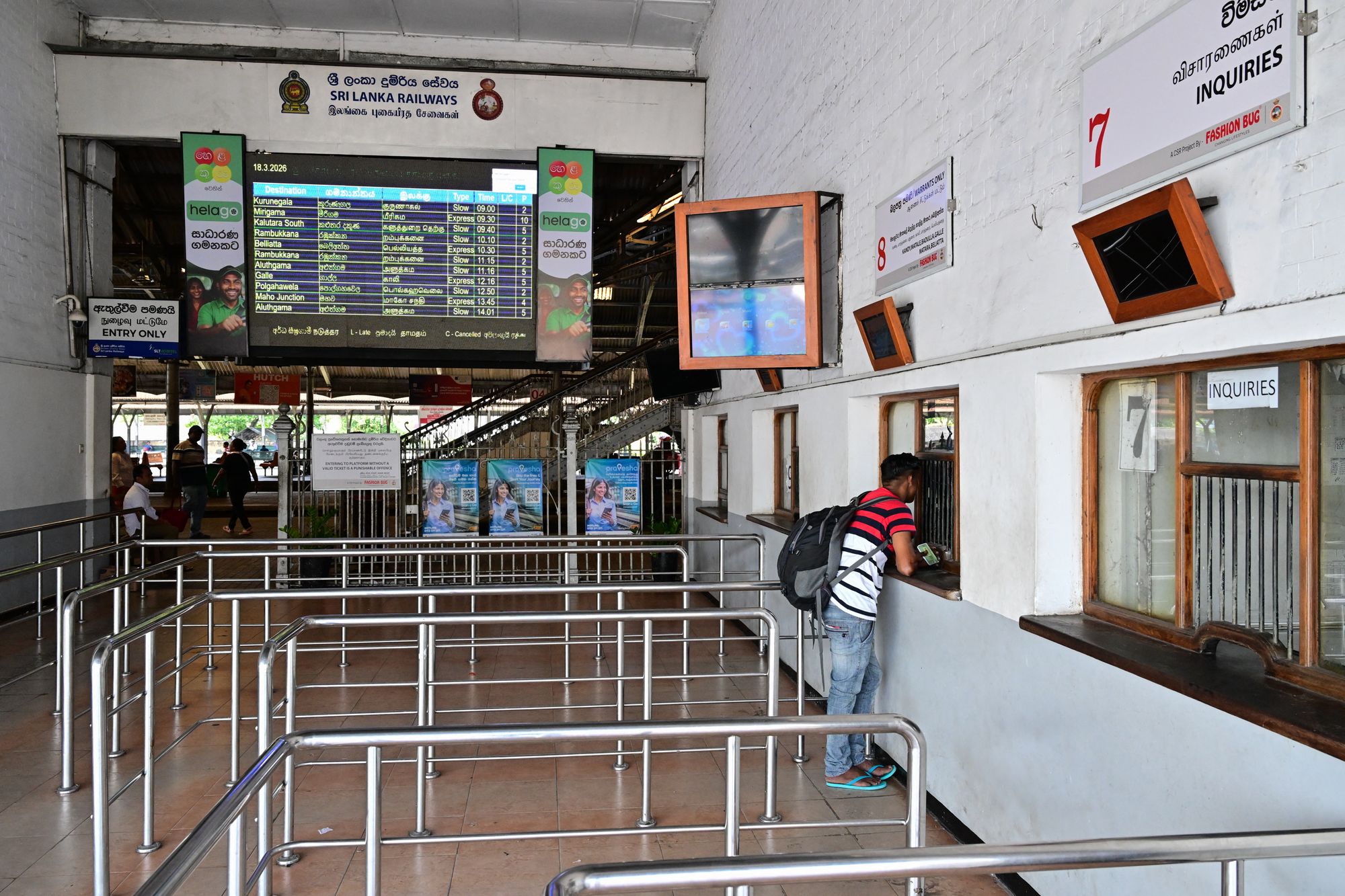
Sri Lankan authorities have warned that they have around six weeks of fuel reserves left, as the country depends heavily on gas and oil imports. To preserve dwindling supplies, authorities introduced a four-day working week and strict fuel rationing.
Prabath Chandrakeerthi, commissioner of essential services, said all state institutions, along with schools and universities, would shift to a four-day work week. He also urged the private sector to follow suit.
A video went viral showing a man in Sri Lanka riding a scooter while carrying another scooter on his lap as he searched for fuel.
Pakistan
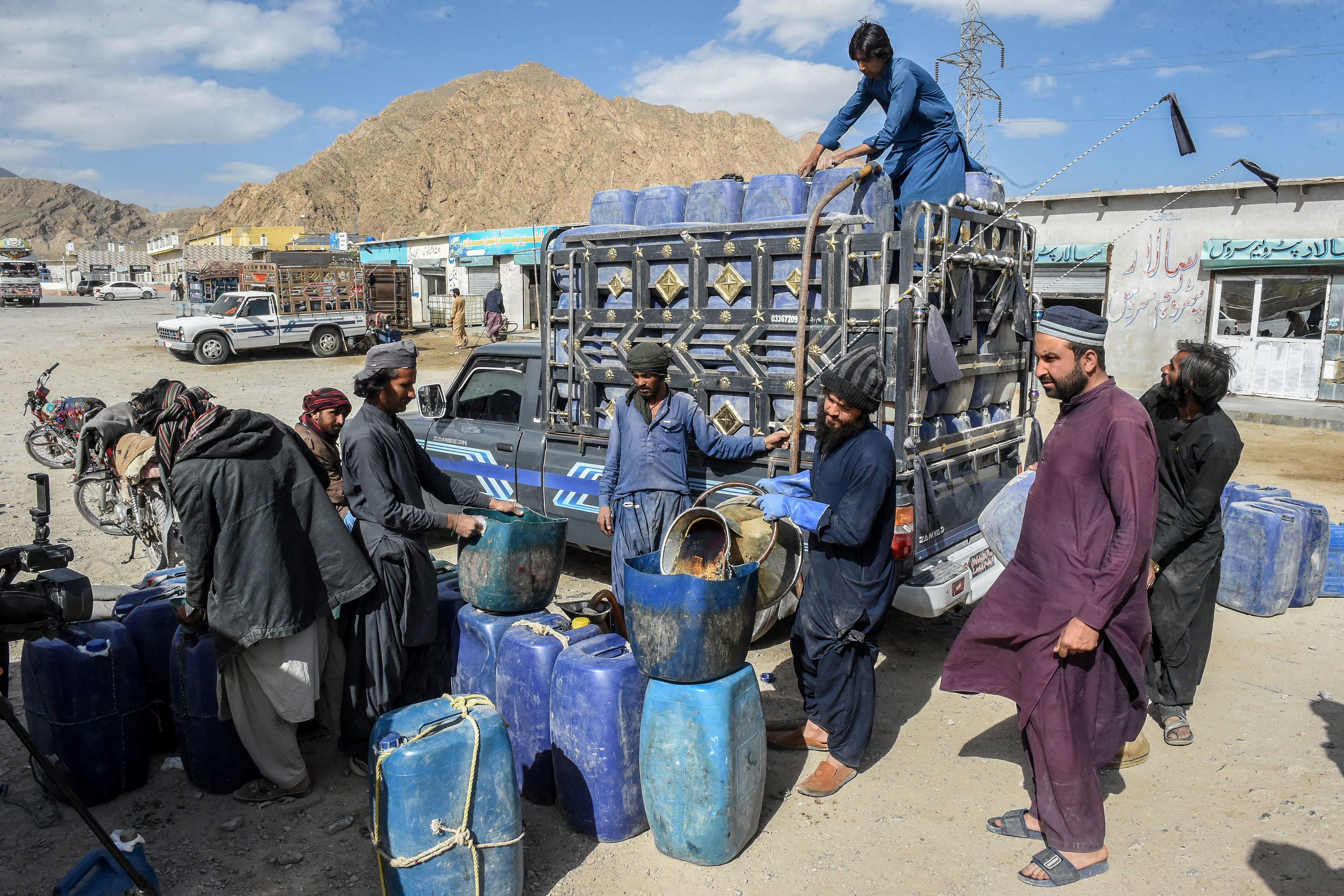
Pakistan takes roughly 85 per cent of its energy from the Strait of Hormuz, according to Dr Shokri. The country has already implemented remote work policies and fuel-saving measures.
Prime Minister Shehbaz Sharif warned that the government needed to reduce fuel consumption and prepare for potential supply shocks. Schools across the country will close for two weeks, and universities will switch to online classes during the period.
Bangladesh
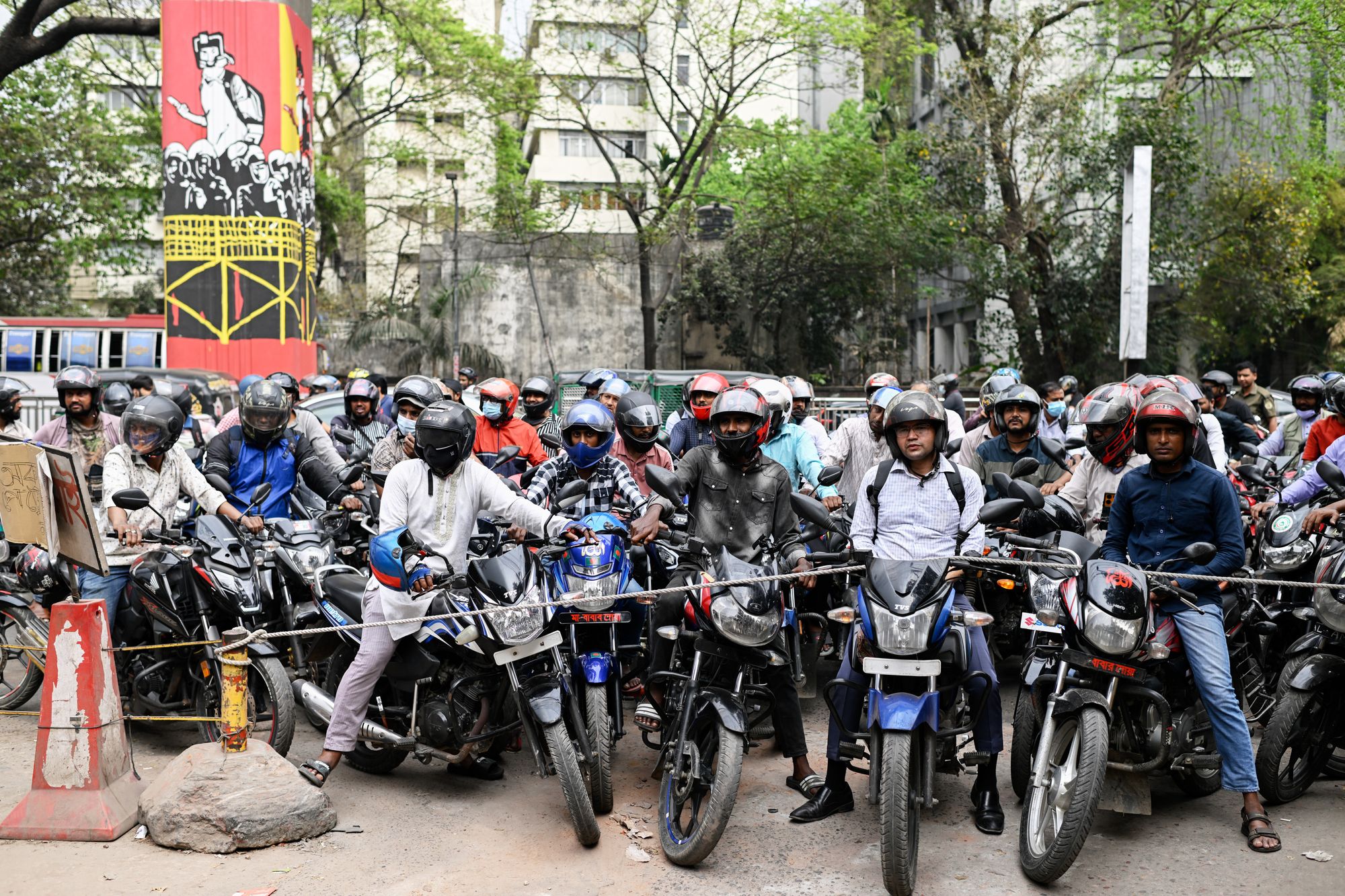
Bangladesh is about 95 per cent dependent on oil imports, with around 20 days of reserves. Saudi Arabia and Qatar are key suppliers. The country has imposed fuel caps and deployed troops to prevent fuel hoarding.
Prime Minister Tarique Rahman is seeking around $2bn in loans from multilateral lenders by June to finance imports of liquefied natural gas and other fuels during the summer.
The UK’s Energy Challenges
While the UK is less dependent on oil from the Middle East, with most of its imports coming from the North Sea and the US, it does rely on imports of jet fuel and diesel from the region. The UK also depends on imported LNG, which creates a bigger problem than oil, according to Dr Imsirovic.
“The problem is, in these international markets, prices are going up,” he says. While heating season may nearly be over, the UK starts building reserves in Europe by June, and it has very limited reserves at the moment.