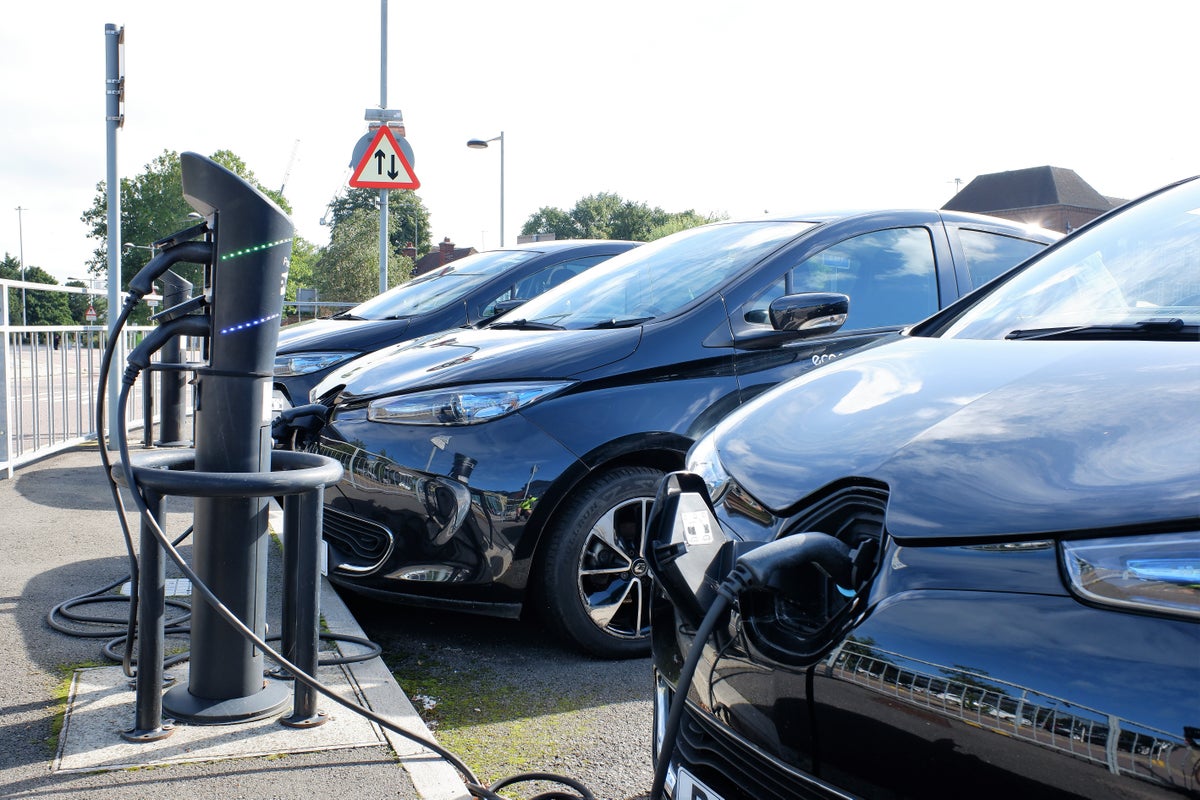
New research indicates a significant gap in understanding among drivers of petrol and diesel vehicles when it comes to electric cars (EVs). This lack of knowledge, according to a report commissioned by the Energy and Climate Intelligence Unit (ECIU) think tank, is a key factor preventing many from making the switch to electric motoring.
A YouGov survey, which polled 1,002 drivers of non-electric cars, revealed a concerning trend: a staggering 51 per cent could correctly answer only two or fewer out of ten statements about EVs. The implications of this widespread misinformation are stark. Among this poorly informed group, a mere 5 per cent expressed any desire to purchase an EV as their next vehicle. This stands in stark contrast to the 63 per cent of drivers who demonstrated a solid grasp of EV facts, scoring at least eight out of ten on the survey’s questions.
Common Misconceptions Debunked
One of the most prevalent and concerning misconceptions identified was the belief that electric vehicles are more susceptible to catching fire than their petrol or diesel counterparts. A substantial 46 per cent of drivers wrongly held this view, despite numerous studies demonstrating the opposite safety profile of EVs.
Colin Walker, head of transport at the ECIU, commented on the findings, stating, “A constant stream of misinformation is skewing petrol car drivers’ knowledge of EVs.” He highlighted another critical area of misunderstanding: “With two-thirds not knowing that EVs are cheaper to own and run than petrol cars, it’s clear that many are holding back from making the shift to EVs.”
The Economic and Geopolitical Argument for EVs
Beyond the operational costs, the current geopolitical climate further underscores the advantages of electric vehicles. Walker elaborated, “The latest instability in the Middle East is once again illustrating how using oil to power our cars leaves the UK’s drivers exposed to international markets over which we have no control.” He contrasted the volatile situation for traditional fuel users with the predictable costs for EV owners: “While petrol car drivers face paying higher prices at the pump, EV drivers will continue to be able to drive their cars for as little as 2p per mile.”
The Call for Action
The findings have prompted calls for a concerted effort to address the misinformation. Perran Moon, Labour MP and chair of the All Party Parliamentary Group on EVs, emphasised the direct link between knowledge and adoption: “The more misinformed you are, the less likely you are to make the switch to an EV.” She stressed the urgent need for a proactive approach, stating, “We need to see robust action from the Government, industry and media to dispel the myths of misinformation and to ensure that drivers are equipped with the facts when deciding on their next purchase.”
This sentiment echoes concerns previously raised in a House of Lords committee report in 2024. That report criticised the then-Conservative government for a perceived lack of “urgency” in addressing the “scale of misinformation” surrounding EVs.
The Regulatory Landscape
The UK government has set ambitious targets for the transition to zero-emission vehicles. The Labour Government has pledged to outlaw the sale of new petrol and diesel cars and vans from 2030. By 2035, only zero-emission models, which predominantly means pure electric vehicles, will be permitted for purchase. These regulatory changes, coupled with the current factual landscape, highlight the importance of accurate information for consumers.
Survey Methodology
The research company YouGov conducted the survey of 1,002 UK drivers of non-EV cars. The data collection period ran from 25 November to 3 December of the previous year, providing a recent snapshot of public opinion and understanding.
The implications of this widespread misinformation extend beyond individual purchasing decisions. A more informed public is crucial for achieving national decarbonisation targets and for ensuring that consumers can make choices that benefit both their wallets and the environment. As the automotive landscape continues its rapid evolution towards electrification, bridging the knowledge gap will be paramount.