

The AI Gold Rush: Are We Pumping Billions into a Bubble That Could Burst?
Billionaire investor Ray Dalio, founder of Bridgewater Associates, has issued a stark warning about the current artificial intelligence (AI) frenzy. While acknowledging AI’s transformative power across numerous industries, Dalio suggests the massive investment pouring into the sector might not be yielding “adequate profits.” This sentiment echoes growing concerns within the financial world, amplified by a recent report that has reignited fears about the potential economic fallout of the AI boom.
Dalio, speaking on the “All-In Podcast,” pointed out a common pitfall for investors: conflating a bet on groundbreaking technology with a bet on the companies attempting to profit from it. “The technologies will go on, but the companies won’t necessarily go on,” he cautioned, noting that it’s “the norm” for many businesses to fail to capitalise on technological hype, a phenomenon witnessed during the dot-com era where the internet revolutionised the world, yet many early internet companies ultimately collapsed.
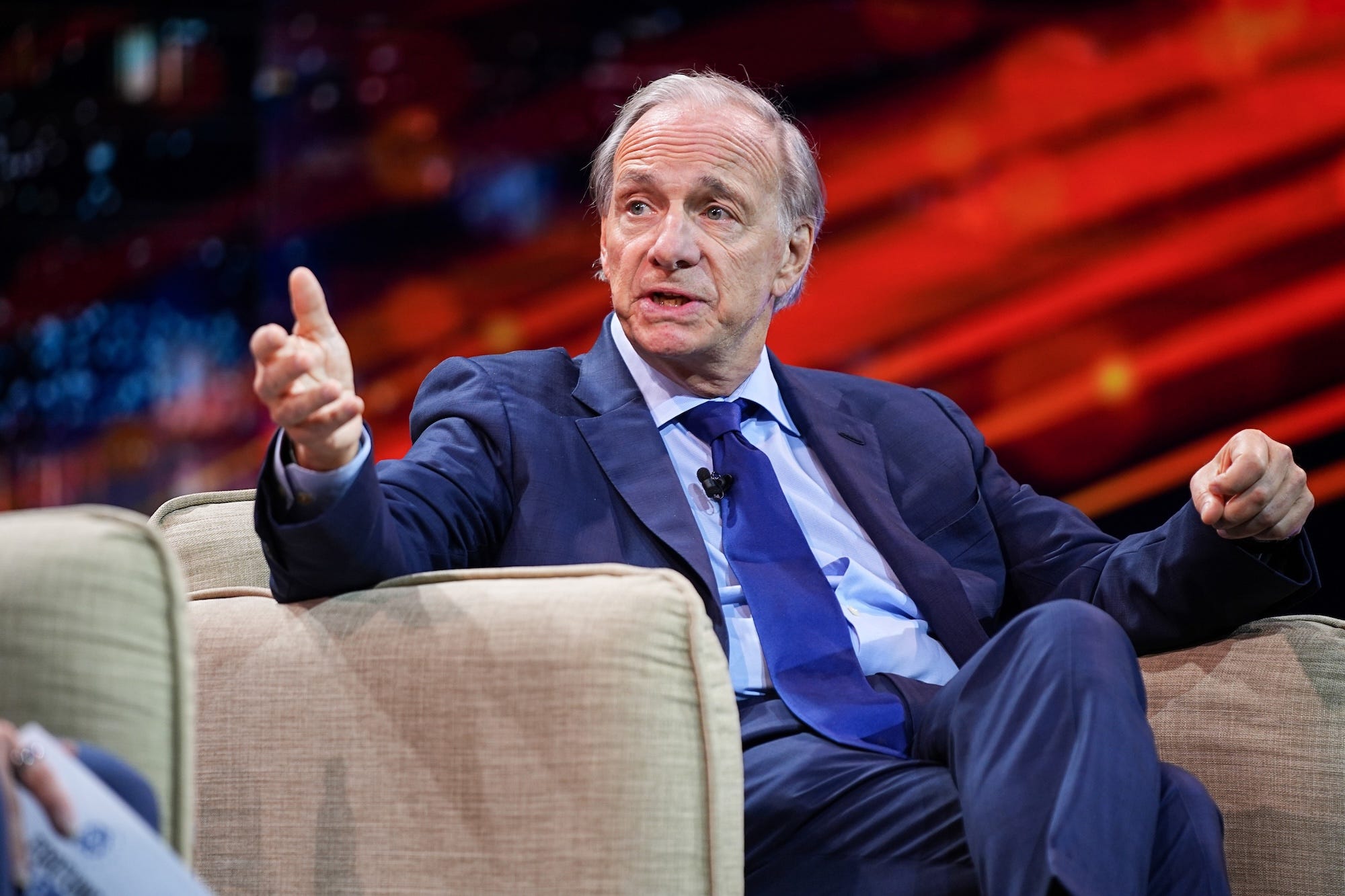
Ray Dalio has voiced concerns that the massive spending on AI might not translate into substantial profits, potentially leading to the boom consuming itself.
The competitive landscape for AI is also becoming increasingly complex. Dalio highlighted the emergence of powerful AI tools from countries like China, often released at very low costs. This could put significant pressure on US companies that are investing billions in AI development, hoping for substantial returns.
Reigniting Fears: The Citrini Research Report
Adding fuel to these concerns, a February report from investment firm Citrini Research has circulated widely, prompting renewed anxiety among investors and contributing to market volatility. The report presents a hypothetical scenario, framed as a retrospective look from 2028, exploring the potential negative economic consequences of rapid AI adoption.
In this speculative narrative, the accelerated rollout of AI tools leads to a significant decline in white-collar employment. As businesses increasingly automate tasks previously performed by human professionals, job losses mount. This reduction in workforce spending power, the report posits, would subsequently lead to decreased consumer spending and a slowdown in overall economic growth. Such a shock, in this hypothetical timeline, could ultimately culminate in a stock market crash.
The report doesn’t dismiss the AI boom entirely but suggests its transformative impact might not align with the optimistic predictions of many tech evangelists, including figures like Elon Musk.
- Hypothetical Economic Impact:
- Rapid AI adoption causes widespread disruption.
- Automation leads to mass white-collar job losses.
- Reduced consumer spending slows economic growth.
- Potential for a stock market downturn.
Citrini’s hypothetical analysis suggests that by the end of 2027, “it threatened every business model predicated on intermediation. Swaths of companies built on monetizing friction for humans disintegrated.” This paints a picture where businesses that relied on acting as intermediaries or profiting from inefficiencies in human processes could face existential threats.
Expert Opinions: Overreaction or Prudent Caution?
While the Citrini report paints a stark picture, some experts suggest that investors might be overreacting to what is essentially a worst-case, albeit speculative, scenario. The rapid pace of AI development and its potential applications are undeniable, and many believe the long-term benefits will outweigh the short-term disruptions.
However, Dalio’s warning, coupled with the Citrini report, serves as a crucial reminder for investors to maintain a balanced perspective. The allure of a revolutionary technology can be powerful, but a thorough assessment of profitability, market dynamics, and potential risks is essential. The question remains: is the current AI investment surge building a sustainable future, or are we heading towards a scenario where the very technology driving this excitement could, as Dalio fears, “eat itself”?
For more insights into business and finance, follow Business Insider on MSN.


