
Toxic Inferno: A Seven-Year Nightmare of Illegal Dumping Near Over Farm
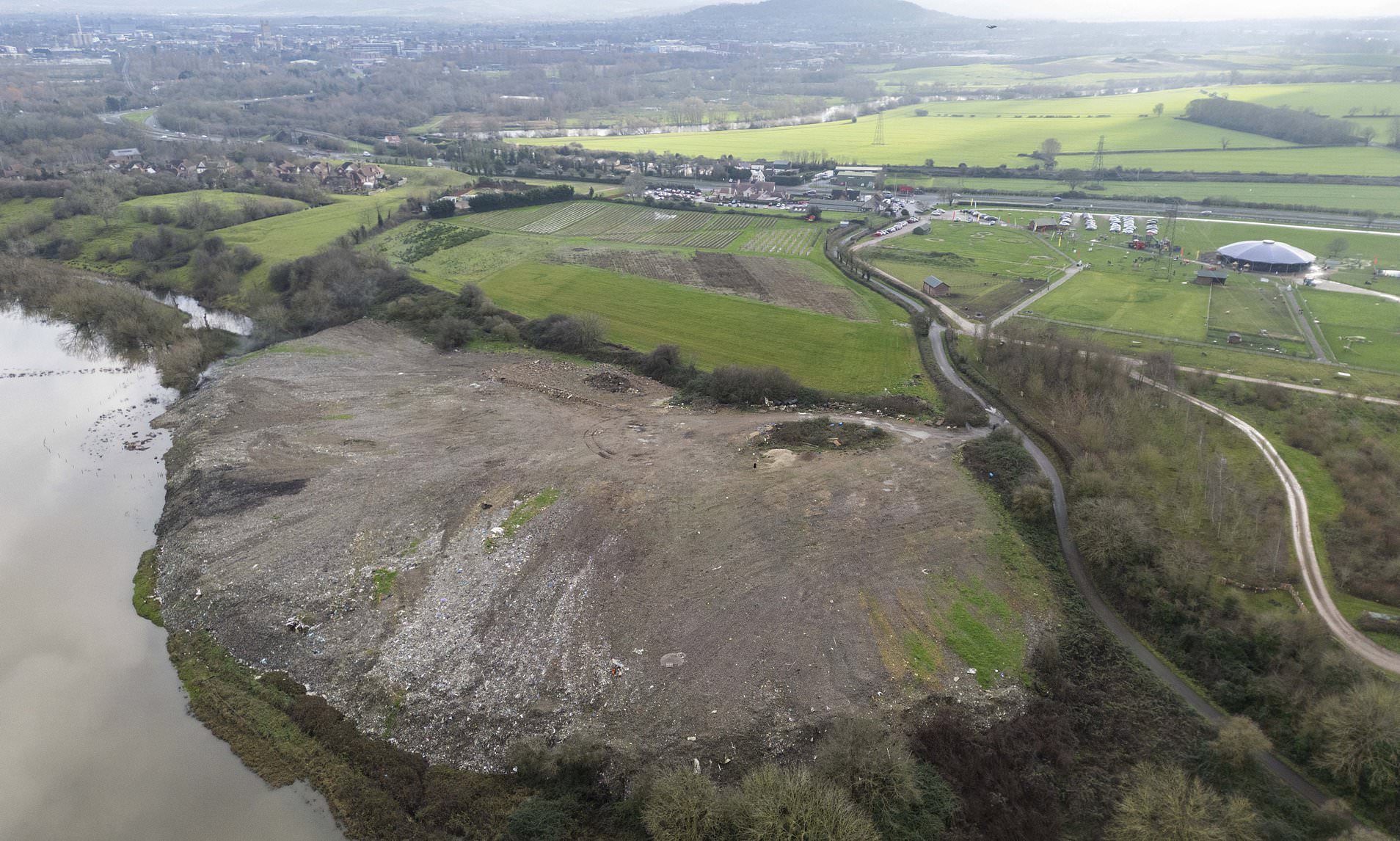
For nearly a decade, the picturesque countryside near the village of Over in Gloucestershire has been marred by an environmental catastrophe. A colossal illegal waste tip, sprawling over more than two acres, has been spewing toxic fumes and posing a significant threat to the local community and a popular family farm attraction. Despite close to a hundred official warnings, the operation continued unchecked for an astonishing seven years, leaving residents fuming and the local ecosystem under siege.
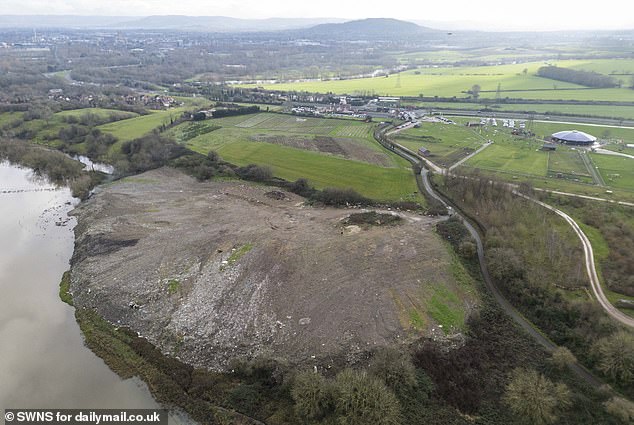
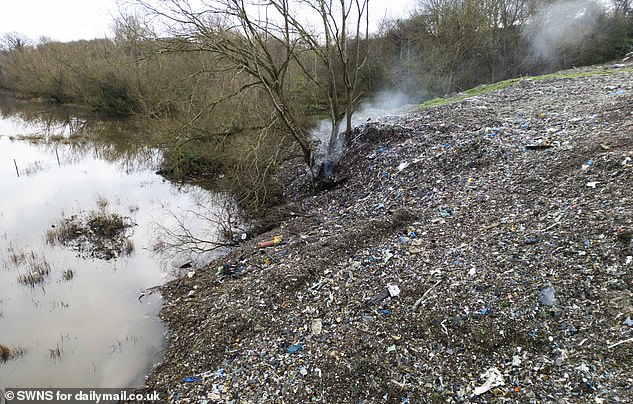
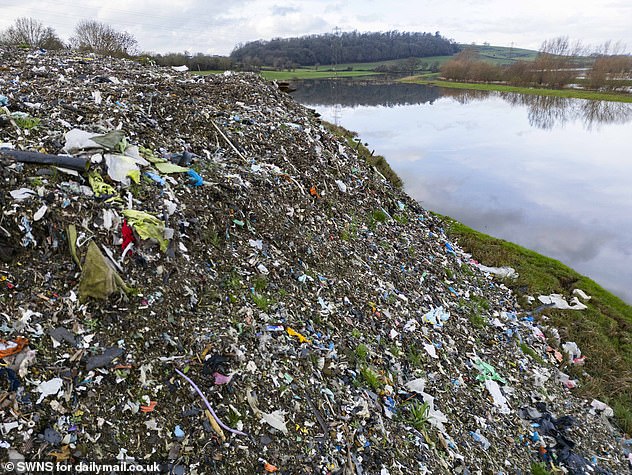
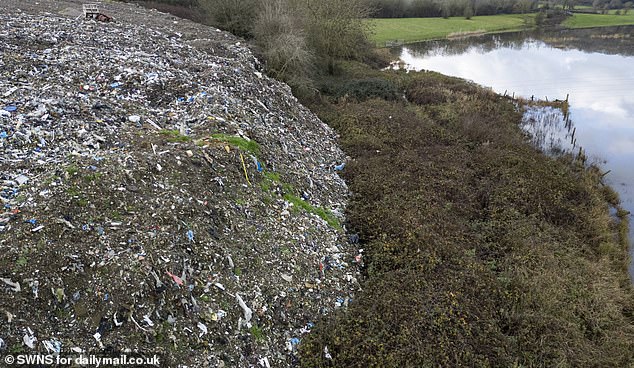
The sheer scale of the problem is staggering. Layers of waste, some reaching up to 20 feet deep, have been dumped indiscriminately. This mountain of rubbish regularly self-combusts, sending plumes of acrid, rancid smoke drifting across neighbouring land, including Over Farm Park, a well-loved destination for families. The size of this illegal operation dwarfs even the notorious fly-tip in Kidlington, Oxfordshire, once dubbed ‘Britain’s biggest’, by at least tenfold.
A Ticking Time Bomb: The Genesis of the Over Tip
The nightmare began in 2018. Day after day, up to 50 trucks, converging from all corners of the United Kingdom, began unloading their noxious cargoes of plastic, construction debris, and general waste onto the unsuspecting land behind Over Farm. This relentless deluge of rubbish has resulted in tens of thousands of tonnes of waste being deposited, creating an environmental hazard situated precariously between the adventure park and a body of water that forms part of the historic Herefordshire and Gloucestershire Canal.
Local residents, witnessing this industrial-scale fly-tipping unfold, have voiced their outrage and frustration. Numerous complaints have been lodged with both the police and the Environment Agency (EA). However, for years, these pleas for intervention appear to have fallen on deaf ears, with many feeling their concerns were largely ignored, despite officials now insisting that dumping has finally ceased.
A Pattern of Neglect: Warnings Ignored
Figures obtained under freedom of information laws paint a grim picture of the EA’s response. Between 2018 and last month, the agency received a staggering 96 reports detailing illegal waste dumping at the Over site. One local man, who preferred to remain anonymous for fear of reprisal, revealed his personal efforts to bring the issue to light. He had personally made five separate reports via the EA’s incident hotline, even providing names of those he believed were in control of the land and photographic evidence of trucks bearing company names.
His experience highlights a deep-seated frustration with the official response. “The EA said unless I was prepared to stand up in court to confirm I had taken the photos then they couldn’t use them, which I feel was a complete fob off,” he recounted. Disillusioned, he escalated his complaint, which eventually led to a call from a manager. Incredibly, the manager concluded the conversation by suggesting he “put pressure on my local MP to get them more money.” This anecdote underscores a pervasive sentiment among locals: the identities of those responsible are an open secret, yet decisive action remains elusive.
Unmasking the Players: Ownership and Operation
Land Registry records point to a man named Sean Butcher as the owner of the land. While Mr. Butcher is listed as residing in Witney, Oxfordshire, it appears he may now be living elsewhere. A former neighbour described him as having run several businesses, primarily in building and house clearances.
However, the day-to-day operation of the tip itself has reportedly been managed by businessman Marshall Gorman, 45, who runs a local driveway company. Mr. Gorman is also listed as the owner of another site in Rudford, where he has faced Planning Enforcement Action from the local council for the “importation, depositing and movement of materials,” including construction waste.
In a statement, Forest of Dean District Council confirmed it had taken action against the landowner, who also uses the surname Oldham, citing “serious breaches of environmental regulations.” Conversely, Mr. Gorman’s planning agent has publicly dismissed these claims as “unfounded.”
The Human and Environmental Cost
When visited late last year, the scene at Over Farm was distressing. Pale grey smoke drifted across the tip, its noxious fumes catching in the throat. A spokesperson for Over Farm Park described the situation as “terrible,” lamenting the significant impact on their customers. “When a fire gets lit there’s black smoke billowing across here. It’s not pleasant,” they stated. The presence of vehicles accessing the site also raised safety concerns for the public visiting the farm park. The spokesperson expressed a common sentiment: locals know who is responsible, but the authorities have failed to curb the pollution and the constant stream of lorries.
The gravity of the situation has not gone unnoticed by local governance. Highnam Parish Council has formally lodged a complaint with the chief executive of the Environment Agency, expressing their deep dissatisfaction with the agency’s lack of action.
A Promise of Change?
In response to the growing scrutiny, an Environment Agency spokesman stated: “We responded directly to reports of illegal activity at Over and since then no more waste has been deposited. We are working with local partners to investigate and fully understand the impact this is having on the community.” They added, “Illegal waste dumping is appalling, but through greater use of drones, stronger partnerships with local authorities and the police, and more officers on the ground, we will leave waste criminals with nowhere left to hide.”
Despite these assurances, when approached for further details on the actions they claimed to have taken, the EA did not provide a response. Previously, the agency had stated it was “investigating” the site. The prolonged period of inaction and the persistent environmental damage at Over serve as a stark reminder of the challenges in tackling large-scale illegal waste dumping and the urgent need for more robust and responsive environmental enforcement.

